Leonardo DiCaprio's 'dad bod' puts spotlight on dangerous belly fat — and how to lose it
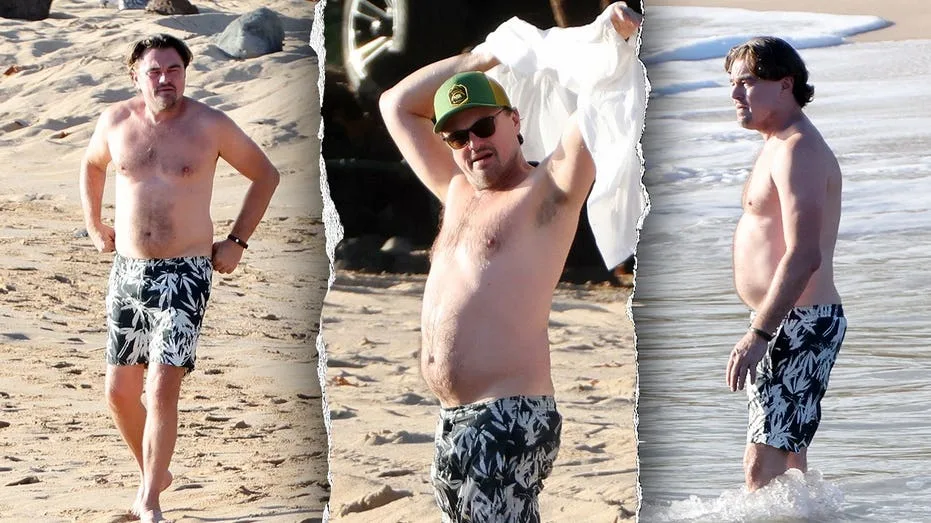
Recent beach photos of actor Leonardo DiCaprio have reignited the "dad bod" debate — and raised questions about whether carrying a little extra weight around the middle can pose hidden health risks .
The popular term generally describes a softer physique with extra weight around the midsection.
While appearance alone isn’t an indicator of health, excess abdominal fat — particularly visceral fat surrounding the organs — has been linked to an increased risk of heart disease, diabetes and other medical conditions, according to Cleveland Clinic.
YOUR WAISTLINE COULD REVEAL A HIDDEN HEART RISK YOUR BMI MISSES, MAJOR STUDY FINDS Marfred Suazo, a New York City-based personal trainer known as Fonz the Trainer, spoke with Fox News Digital about the potential risks associated with excess abdominal fat and ways to reduce it.
Suazo, who has not trained DiCaprio, defines a dad bod as a "loss of structure," an increase in waist circumference and a loss of muscle mass.
"Maybe you're losing structure in your day-to-day eating … moving a lot less, taking fewer steps per day," he said of potential causes.
"And typically you're eating and drinking more than you're moving.
And the body just starts showcasing that stuff." BEST FOODS FOR REDUCING DANGEROUS BELLY FAT AND PROTECTING HEART HEALTH An expanding waistline can be an important indicator of health risk.
According to the National Institute of Diabetes and Digestive and Kidney Diseases, men with a waist circumference greater than 40 inches have a higher risk of developing health problems, including type 2 diabetes and heart disease .
Visceral fat — which lies deep within the abdomen and surrounds internal organs — has also been linked to a higher risk of cardiovascular disease, Cleveland Clinic states.
"We want to try to mitigate these things as best as possible before they become an issue," Suazo said.
Reversing a "dad bod" starts with getting nutrition in check, according to Suazo.
That includes understanding daily calorie intake and getting an appropriate balance of protein, carbohydrates and fats .
CLICK HERE FOR MORE HEALTH STORIES He recommends pairing that strategy with full-body strength training two to three times per week, focusing on compound movements such as squats, stiff-leg deadlifts, back rows, push-ups and chest presses.
5News aggregated this summary from the outlet’s public feed. The full article, with all the context, is on www.foxnews.com — the content belongs to Fox News Health.