Scouted: It’s Official: NAD+ Has Made Its Way Into the Skincare Space
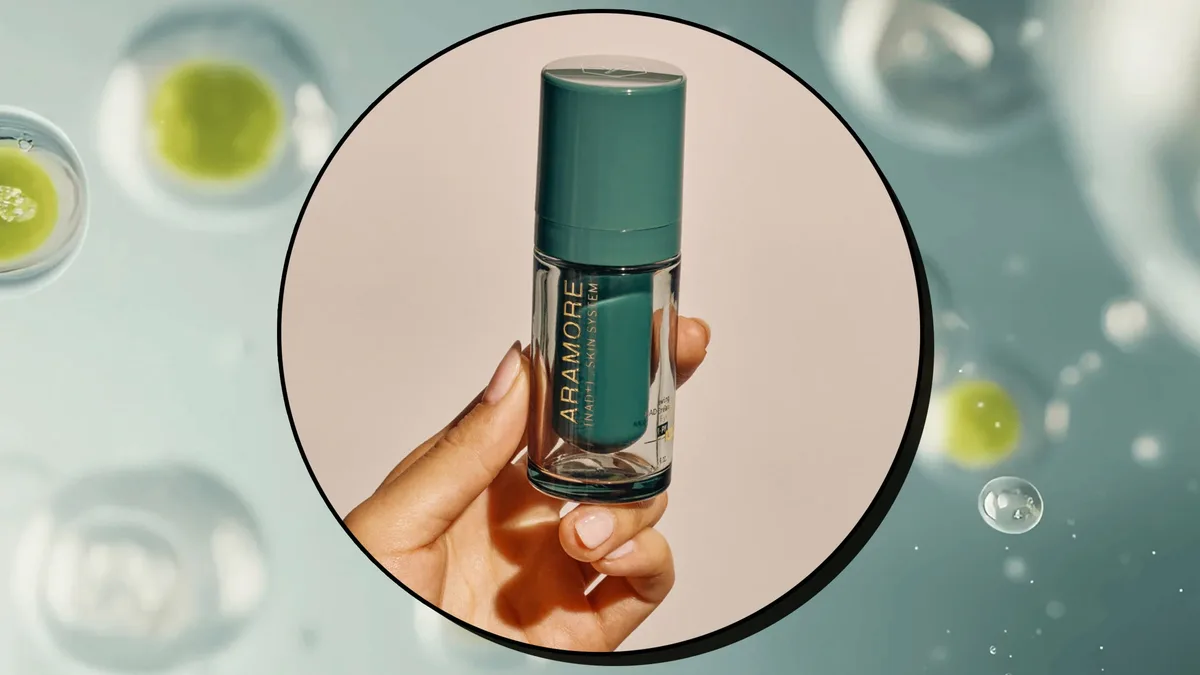
Scouted/The Daily Beast/Aramore.
Scouted selects products independently.
If you purchase something from our posts, we may earn a small commission.
NAD+ (nicotinamide adenine dinucleotide) is one of the buzziest compounds in wellness right now, especially in longevity and anti-aging discourse.
From NAD+ IV drips to supplements that claim to “naturally” boost NAD+ without more expensive and time-consuming interventions ( nicotinamide mononucleotide, or NMN , for example), the compound is definitely having its moment.
While I’m always skeptical of new wellness trends, recent studies suggest that the benefits of NAD+ supplementation are shaping up to be impressive.
NAD+ supplements may help boost cardiovascular health , enhance immunity , and help your skin repair and regenerate (which is why it’s being dubbed the ultimate anti-aging treatment).
Given NAD+’s impressive skin-boosting benefits when administered orally or intravenously, it comes as no surprise that it’s swiftly become an emerging ingredient in topical skincare treatments—and Aramore is leading the charge.
Aramore ’s NAD+-focused skincare line is powered by its proprietary NAD+ precursors to boost cellular energy topically in the skin.
Aramore was created by a world-class team of Harvard and MIT Ph.D. scientists in stem cell research, chemistry, and dermatology.
The brand’s co-founder, Anna Mandinova, MD, PhD, discovered that combining nicotinamide mononucleotide (NMN) with ketones and fatty acids can boost NAD+ levels in the skin, promoting the healthy replacement of skin cells that we lose with age.
What Is NAD+? “[NAD+] a next-gen ingredient making waves in both skincare and wellness,” says Aramore’s CEO, Melisse Shaban.
“Found inside the mitochondria of all living cells, it helps generate the energy our cells need to function at their best.” As cells age, NAD+ levels decline, and with less vital energy, our stem cells produce fewer new ones, which can lead to a number of health issues, including slower recovery, brain fog, and less energy.
How do declining NAD+ levels impact the skin? Declining NAD+ levels also affect the skin—it is our largest organ, after all.
5News aggregated this summary from the outlet’s public feed. The full article, with all the context, is on www.thedailybeast.com — the content belongs to The Daily Beast.