Trump signals economic pressure in Iran conflict as talks stall: ANALYSIS
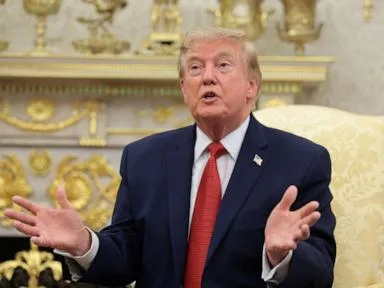
The Trump administration appears to be indicating it favors economic warfare in its approach to the conflict with Iran, touting its naval blockade of the Strait of Hormuz and previewing new sanctions still to be announced.
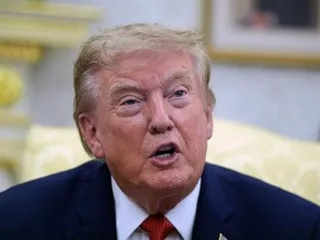
President Donald Trump, who has often discussed tight deadlines for diplomacy with Iran, has suggested the U.S. might attempt a longer-term squeeze, telling Fox News in an interview on Monday he is "not in a hurry" to bring about a solution.
A 60-day memorandum of understanding between the U.S. and Iran to lay the groundwork for an end to the war has expired and there is no other agreement to replace it.
The effects of the blockade, intended to deny any Iranian exports through the strait, could take months to bear effects on the Iranian economy, experts said, and it is not clear whether pressure from the blockade or any new actions could change Tehran's position at a future negotiating table.
Treasury Secretary Scott Bessent last week told Newsmax the president was prepared to order new sanctions that would punish Iran's economy.
"We are going to apply measures like have never been seen in the history of economic isolation on a country," he said, saying they would form a "one-two punch" alongside the U.S. blockade.
Trump has claimed that the Strait of Hormuz is "open and operating," but in reality a small fraction of the world's oil is transiting a waterway through which a fifth of global supply once flowed.
Energy Secretary Chris Wright claimed that on Saturday 30 vessels transited the strait clandestinely, noting the use of military escorts. Data from Kpler said 28 vessels transited the Strait in a three-day period between Friday and Sunday.
An average of about 13 ships crossed the Strait each day last week, the firm said in a post on X , down from more than 100 ships per day before the recent conflict.
Trump, meanwhile, appears to be stepping back from his push to reach a deal with Iran that would be aimed at opening the strait, writing in a social media post on Tuesday there were "no talks or conversations going on" with Iran.
The president had consistently said the two sides were talking and at times set timeframes of only days or weeks to reach a final settlement. Iranian officials have long said Tehran and Washington were not negotiating.
Escalation in the economic space would target an ailing Iranian economy, which has suffered inflation near 65% over the past year, according to Iran's central bank.
Mohammad Ghalibaf, the speaker of Iran's parliament and its lead negotiator with the U.S., wrote on X Tuesday that Bessent was "way out of [his] league" and that the U.S. was "trying to pull a rabbit out of their hat."
"Americans think squeezing Iran harder will win concessions that were never part of the agreement," he said, likely referring to a memorandum of understanding between the two countries that has collapsed.
5News aggregated this summary from the outlet’s public feed. The full article, with all the context, is on abcnews.go.com — the content belongs to ABC News.