My cats hate each other, but this automatic feeder is helping
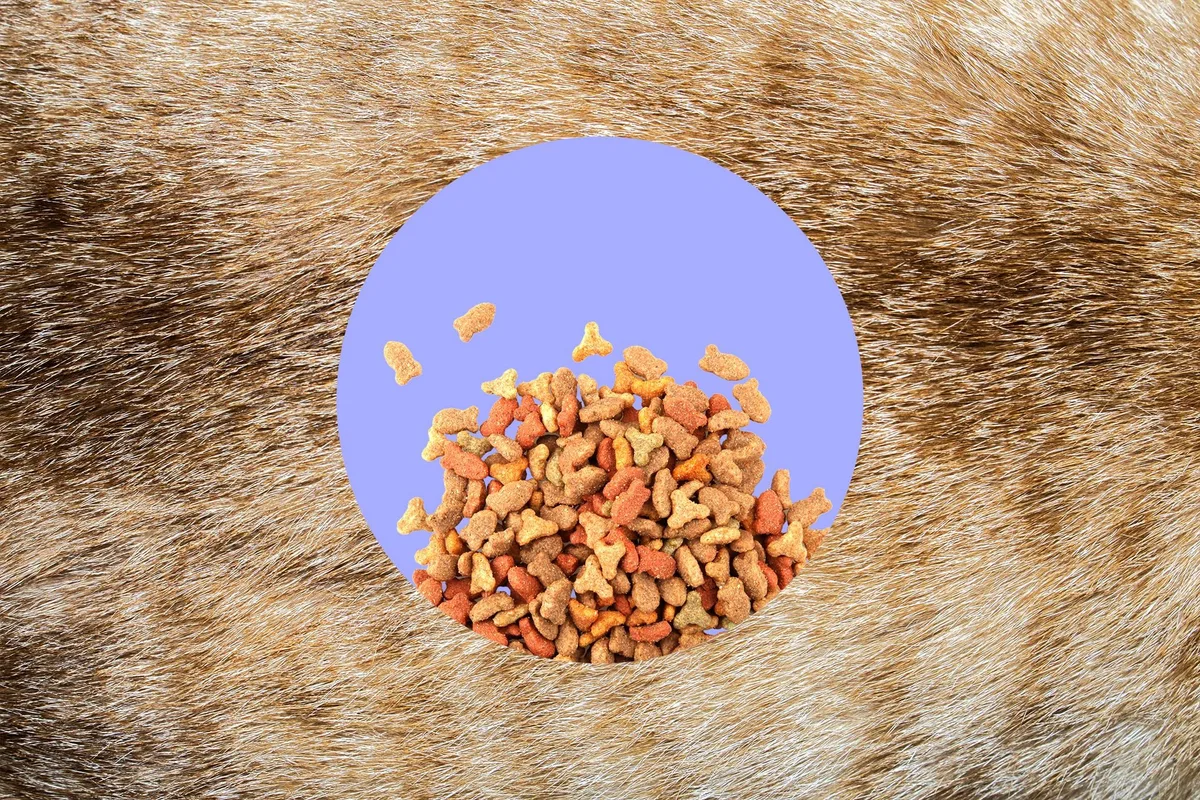
Over the course of nearly a decade, my husband and I have dutifully carried out a four-times-daily ritual of feeding a pair of lovely cat siblings who hate each other. This was mostly manageable for years, but in 2024, disaster struck for my small dependents: We had a child. Suddenly, the cats were no longer our first priority. Despite our best efforts, their dry-food snack times began slipping or getting missed altogether. It was time, we decided, to turn to the pet-tech industry and hope automated feeders could deliver the attention we couldn’t.
Four machines and a few hundred dollars later, our hope has proven mostly well founded— though no technology can cure the darkness of the feline soul. And as a bonus, my travails have helped me accept being a cheap, lazy shopper in the age of optimization.
There’s a responsible process for getting home goods in the 2020s. Type “[PRODUCT CATEGORY] wirecutter” in a Google search box. Click the handful of reputable outlets that come up: the Wirecutter , of course, but also places like The Strategist. Sort through the set of features that will best suit your needs at the correct price point. Read about the unexpected pain points. Make a well-informed decision. Ideally, wait for a sale.
The less responsible process is to go to Amazon, type in a few keywords, and click “buy” on something in your budget range that doesn’t have a slew of terrible reviews. We were already dedicating hours to finding precisely the best version of every sometimes multi-hundred-dollar purchase for our baby. My brainpower was devoted to studying the tradeoffs between several subtly different categories of stroller. Guess which path we took.
The one thing we really needed to account for was our cats’ personality disorders. Our big orange man, who is either sweetly timid or remarkably charming around any human he encounters, is a swaggering bully who will gobble food until he vomits and appears to resent the fact that his tortoiseshell sister exists. Over the years, his constant looming has driven her to neurosis — no matter how often we chase him away, she eats like a hunted fugitive sneaking bites of food between glances over her shoulder. You can’t feed them too far apart or they’ll both converge on the closest dish, but they must be separated by at least one door (which crucially can only be closed after the commencement of feeding, or the tortie will see it as a sign of danger and flee), so from the get-go, those elegant two-cat feeders were out.
Beyond that, I had a vague sense that our cats would probably attack any weak point in a feeder, and that anything requiring an app was a nonstarter — so we scanned for the simplest and sturdiest thing we could dig up. We were sold on a then-roughly $90 PetSafe programmable feeder by a review promising it was raccoon-resistant, which seemed like a good indicator of quality despite the fact that our cats live entirely indoors.
Two of these feeders — simple black plastic tubs attached to an aluminum bowl — absolutely solved our basic problem. The cats started getting fed more regularly.
5News aggregated this summary from the outlet’s public feed. The full article, with all the context, is on www.theverge.com — the content belongs to The Verge.