A Defunct Nuclear Site Had a Meltdown in 1959. A New Study Shows It’s Still Causing Health Problems
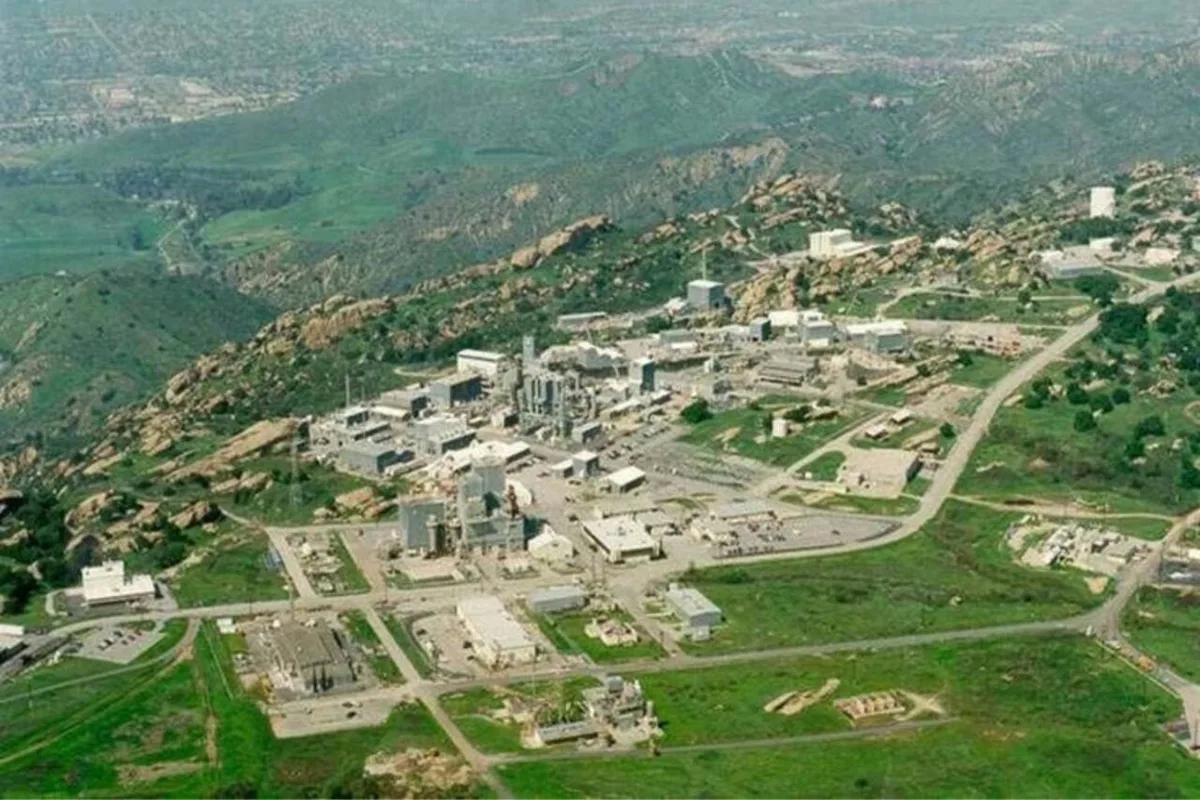
The Santa Susana Field Laboratory (SSFL) in Ventura County, California, is one of the most contaminated sites in the state. During its nearly 60 years of operation, the nuclear reactor and rocket testing site experienced several accidents—including a partial nuclear meltdown in 1959—that polluted the soil and groundwater with radioactive and chemical waste.
Since the SFFL was declared a superfund site in 1989, researchers have been working to understand the risk it poses to public health. Previous investigations focused on cancer incidence among residents living within 5 miles (8 kilometers) of the site, but a study published today in the journal Risk Analysis took a broader look, surveying people living as far as 15 miles (24 km) away and looking beyond cancer to other chronic illnesses commonly associated with contaminant exposure.
The findings suggest that people living closest to this superfund site may experience higher rates of autoimmune, endocrine, and metabolic disorders.
Affluent Ventura County is an unusual setting for a superfund site (an area designated by the EPA as being particularly polluted and dangerous). These toxic areas are disproportionately located near lower-income communities and minority populations. In this way, SFFL offers a unique research opportunity. A team led by Jenna Blyler of the University of California’s Wrigley Institute for Environment and Sustainability surveyed people living near SSFL to investigate several unanswered questions.
First, they wanted to know whether health risks extended beyond the diseases and geographic range examined in previous studies and whether those risks increased with proximity to the site. They also examined how residents perceive and respond to environmental health risks and whether their behavior matched theoretical predictions about risk perception and protective action.
The researchers surveyed 475 residents living within 15 miles (24 km) of the SSFL. Of the population sampled, 56% earned $100,000 or more annually. More than a third of residents reported at least one diagnosis since moving into their current residence. While this is on par with the national rate of 38%, chronic illness is normally much less common in high-income communities.
According to the study, 18% of surveyed residents living within 5 miles (8 km) of SSFL reported autoimmune diagnoses, compared with just 4% of those living 11 to 15 miles (18 to 24 km) away. This trend showed up in metabolic and endocrine disorders as well, with 15% of residents within close range of the facility reporting a diagnosis compared to just 2% of those farther away.
While this suggests that some illnesses may be more common the closer people live to the SFFL, it will require more research to confirm this, Blyler told Gizmodo in an email. She noted that her study relied on self-reported diagnoses that were not medically verified and did not capture the frequency or recurrence of individual diagnoses.
The study also revealed some surprising trends in residents’ behavior. For example, risk research generally suggests that people who feel more capable of dealing with a threat are more likely to take protective action.
5News aggregated this summary from the outlet’s public feed. The full article, with all the context, is on gizmodo.com — the content belongs to Gizmodo.