The bond market is crashing Trump’s midterm campaign
Abdul El-Sayed, an epidemiologist-turned-politician, has no particular background in the treasury markets.
Yet, Wednesday morning, the Democratic nominee for U.S.
Senate in Michigan offered his armchair analysis of the bond rout on X , writing that it was a “ringing alarm bell,” that investors’ confidence had been undermined by inflation, the war with Iran and pressure on the Fed.
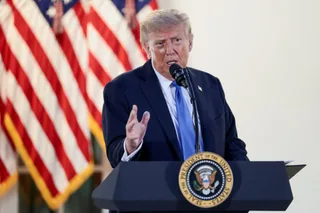
President Donald Trump, El-Sayed argued, was risking the economy in order to give it a “temporary sugar high through the midterms.” The post is just one in a fleet of partisan spin that El-Sayed and every other Senate candidate might make.
And the forces driving the bond market are considerably more calculated than his post suggested.
But the political danger he identified is real: with the midterms a mere two months away, rising Treasury yields are threatening to make an Affordability 2.0 crisis flare up.
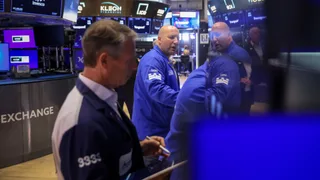
Long-term bonds have been selling off across the most advanced economies, but it’s usually taken years.
More of a “slow burn” than a sudden shock, Robin Brooks, senior economics fellow at Brookings, wrote in a Substack published Wednesday.
After years of ultra-low interest rates during the pandemic, followed by an intensive hiking cycle and unmoored fiscal spending, rates are in a melt-up in essentially every Western economy save for Switzerland and Sweden, which have kept their deficits low, Brooks notes.
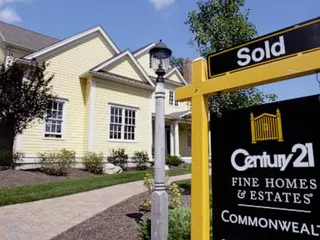
What’s new is that the selloff has spread to the 10-year treasury—the benchmark for mortgages, loans for cars and corporate spending—which started to also push up .
The 10-year yield climbed above 4.8% this week, its highest level since October 2023, and the five-year sits right below 4.6%, up from below 4% in March.
“Sustained higher interest rates can translate into the balance sheets of households fairly quickly,” Stephen Kaplan, a professor of political science and international affairs at George Washington University who has studied how bond markets constrain governments around elections, told Fortune .
“And that can have repercussions during elections.” Kaplan argued that voters are less likely to point fingers at Treasury Secretary Bessent than they are to blame Trump.
He compared it to how voters talk about inflation; they don’t necessarily care whether inflation is above the Fed’s 2% target, or PCE vs CPI, but they do certainly notice when beef and eggs start to cost more.
5News aggregated this summary from the outlet’s public feed. The full article, with all the context, is on fortune.com — the content belongs to Fortune.