How 9/11 Helped Shape Our Politics Today
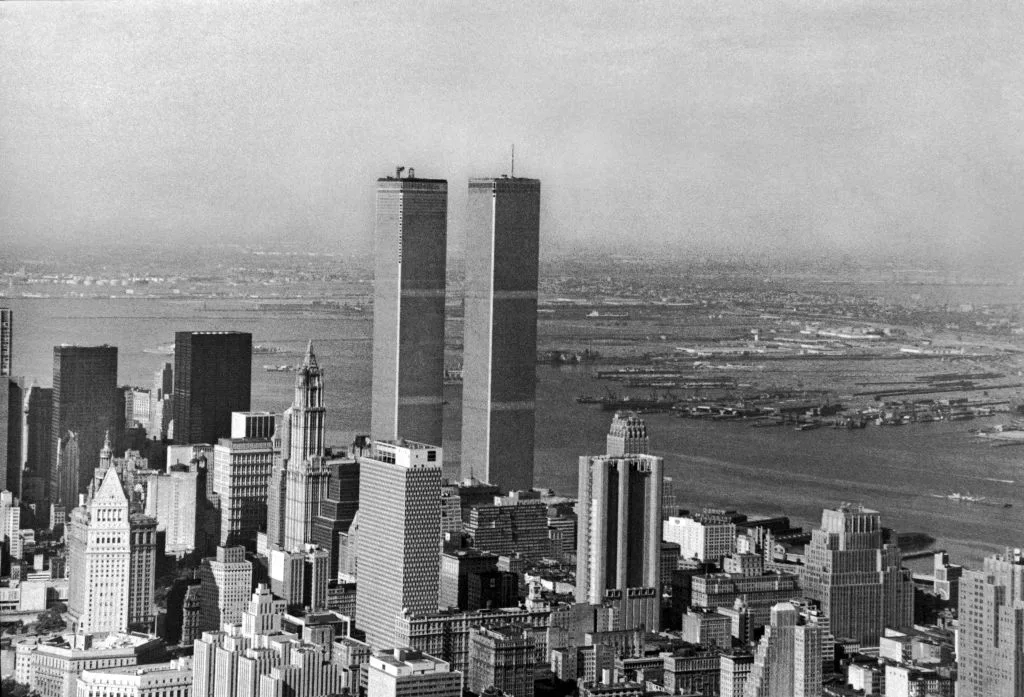
The World Trade Center twin towers with Staten Island in the background in New York, New York, August 5, 1972. —Gene Kappock-Underwood Archives-Getty Images From the moment they occurred, the terror attacks of Sept.
11, 2001 were seen as inaugurating a new age of asymmetric violence and warfare.
President George W.
Bush described the war on terror that followed as a generational conflict .
Yet, for all the transformations it produced, Al-Qaeda and Islamic militancy more broadly have, in my view, receded within a decade.
Not so much because it was defeated on the battlefield but because it was unable to gain much support among Muslims.
When popular uprisings swept the Arab world in the early 2010s, protesters in Tunisia, Egypt, Syria, Bahrain, and elsewhere in the region took to the streets not in the name of Islam, but democracy.
The Arab Spring , more than any military victory, signaled the decline of militancy.
Al Qaeda faced its greatest defeat at Tahrir Square.
Islamic militancy flourished principally on the battlefields of war on terror, in countries such as Afghanistan and Iraq , a trajectory epitomized by the emergence of the Islamic State from within the American prison system in Iraq.
While Islamic militancy still survives in pockets of weak or fractured states, elsewhere it has petered out into the province of petty criminals or psychologically disturbed individuals.
What, then, does its brief and brutal career mean for world history? The End of the Cold War The dramatic arrival of Al-Qaeda and Islamic militancy in the global public sphere in the early 2000s did not mark the beginning of a new chapter of global history.
Perhaps that confrontation between Al-Qaeda and America signaled a historical ending: the true conclusion of the Cold War.
By the fall of 2001, the Soviet Union and the bipolar world had been dead for a decade.
5News aggregated this summary from the outlet’s public feed. The full article, with all the context, is on time.com — the content belongs to TIME.