‘It’s very objective’: Billionaire Marc Lore’s Wonder uses an AI algorithm to determine who gets promoted
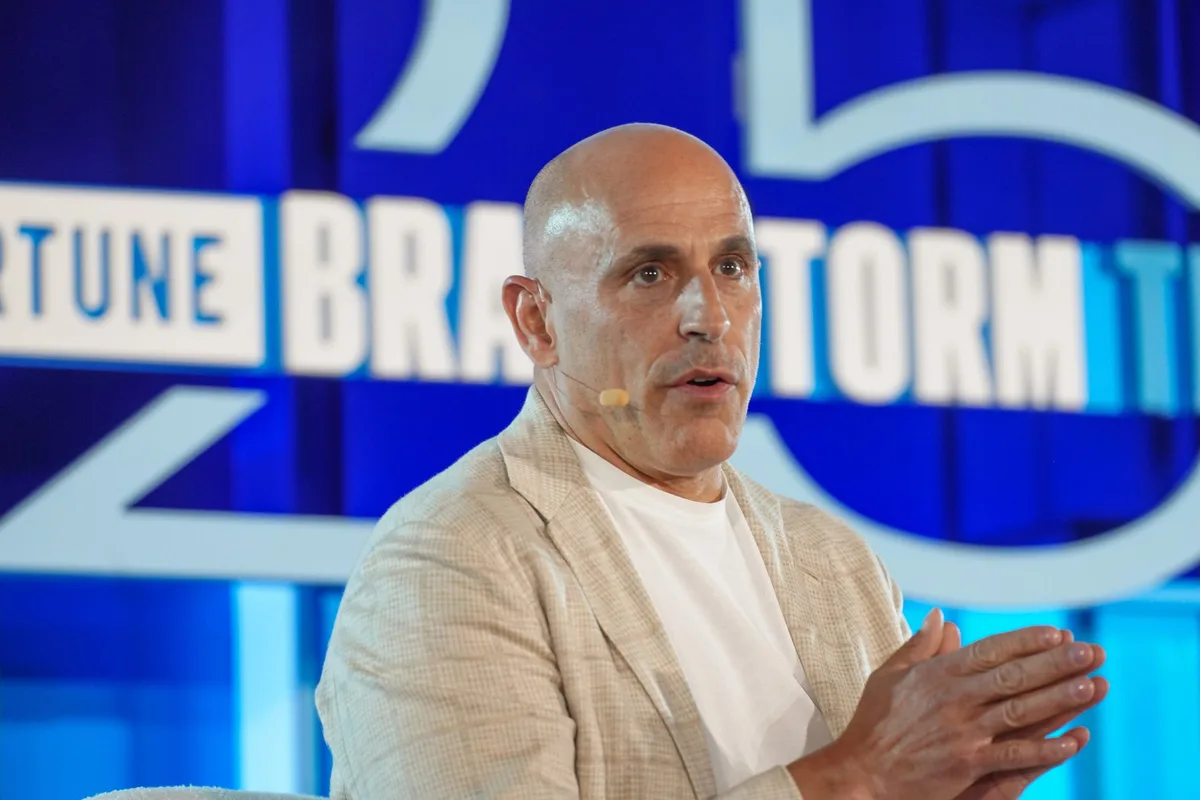
Marc Lore has built companies by trusting the numbers.
At his latest startup Wonder, that philosophy now extends to deciding who gets promoted, with the help of AI.
The billionaire entrepreneur told Fortune ’s Allie Garfinkle in a recent Term Sheet podcast episode the food-tech company uses an AI-powered performance management system that determines whether employees should advance through the organization based partly on scores submitted by their colleagues.
At least a dozen coworkers rate an employee on their performance, behaviors, and leadership qualities every six months, Lore explained, and these ratings, combined with written feedback, are fed into AI that generates a performance report.
The company also adds another metric it calls “value above replacement,” or VAR, which measures how difficult it would be to replace an employee with someone at the same organizational level.
“Between your VAR score and your performance management score, AI basically calculates whether or not you should be promoted,” Lore said.
“So it’s very objective.” The system also calculates how long employees should remain in a position before advancing.
Human management can override the model’s recommendation with a convincing argument that the algorithm missed something, Lore explained, but those cases are increasingly rare and disagreements with the model can also turn into data used to change it.
“There’s a handful of exceptions every period where we disagree with the AI model,” Lore said, but “the model is getting smarter, and there’s less exceptions every time.” Lore argues putting more of the decision into a standardized system can make promotions fairer by reducing the role of personal bias and even potential discrimination against women and minority employees.
“This kind of corrects for that,” he said.
The AI system fits with Lore’s longstanding habit of approaching complicated business decisions with numbers.
In a Fortune profile last year, his uncle Joe Lore, recalled that even as a teenager he would try to arbitrage horse-racing rather than simply cheer on one favorite, betting on multiple in smaller amounts to win.
Decades later, that instinct remained central to how he approached his companies.
“It will always revert to a percent or percentage, and putting the odds in your favor,” Joe Lore told Fortune about how Lore operates.
5News aggregated this summary from the outlet’s public feed. The full article, with all the context, is on fortune.com — the content belongs to Fortune.