What’s Happening to the WNBA Isn’t Normal
Let’s start with the good: The WNBA is more popular than ever.
During the offseason, the league and the WNBA Players Association reached a landmark collective-bargaining agreement resulting in a 400 percent increase, on average, in player salaries .
The average franchise valuation has soared 59 percent in the past year ; the Golden State Valkyries were appraised at a league-high $850 million.
Between now and 2030, the WNBA will add three new teams, in Cleveland, Detroit, and Philadelphia.
And the WNBA saw a 44 percent jump in ratings for this year’s All-Star Game—which, for the first time ever, hosted more in-person fans than the NBA’s .
Yet this success has come amid unprecedented controversy.
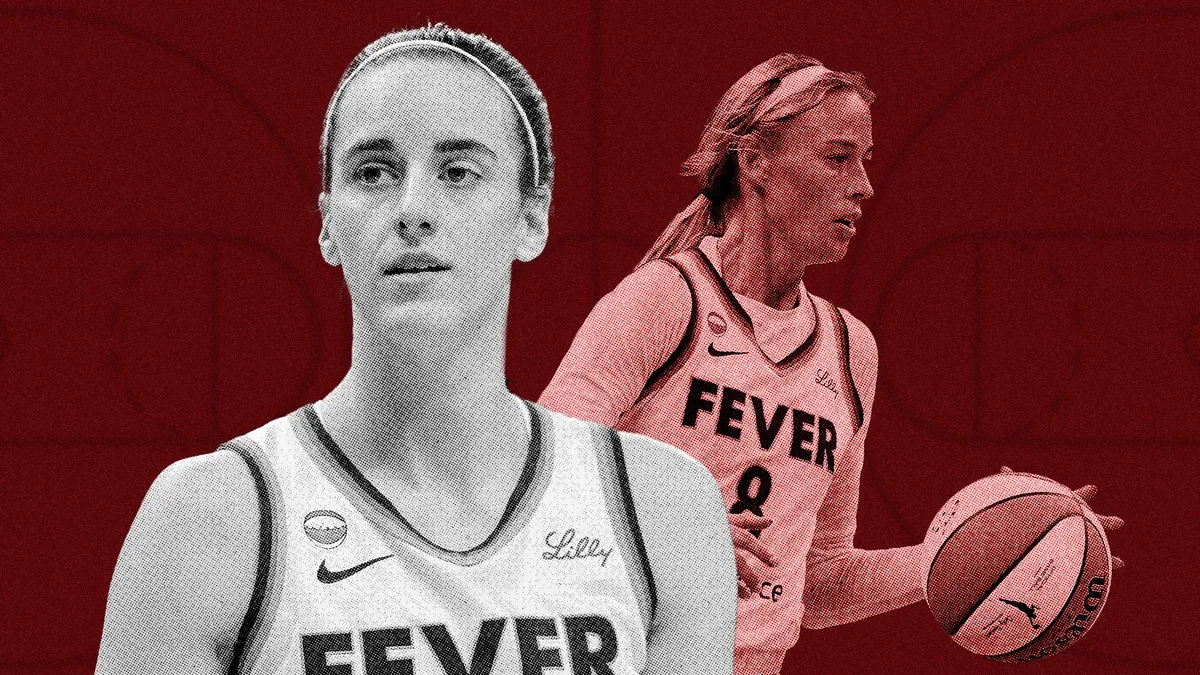
In early July, a group of 11 Republican lawmakers sent a letter to Cathy Engelbert, the WNBA’s commissioner, demanding that she be held accountable for not adequately addressing “repeated acts of unnecessary physical hostility and violence” on the court against the Indiana Fever guard Caitlin Clark, who has emerged as one of the league’s most popular players.
The letter also suggested that these acts may be “racially motivated” against Clark, who is white, and called for the Department of Justice to investigate.
And right before the All-Star Game, Clark’s teammate Sophie Cunningham told ESPN , “I want to protect young girls in a locker room, or young girls in sport who shouldn’t have to go against biological men,” which immediately became a massive talking point around and outside the league.
Shortly thereafter, multiple rallies sprung up in support of Cunningham; Celeste Keaton, a co-owner of the Seattle Storm, was suspended after verbally confronting a pair of teenage fans during a game who were holding signs supporting Cunningham.
The discussions surrounding Cunningham and Clark have different origins; nonetheless, because they play together, their respective dramas have snowballed into one messy dispute that now envelops the league.
Engelbert has certainly guided the league into its most financially stable era, but this is a complicated crossroads requiring delicate steering.
Even if the WNBA isn’t in immediate danger of losing popularity, culture wars can be exhausting over time.
And because its explosive success is the very thing attracting many of its critics, a narrative course correction may not be so simple.
5News aggregated this summary from the outlet’s public feed. The full article, with all the context, is on www.theatlantic.com — the content belongs to The Atlantic.