Thursday, October 8, 2026 SourcesAbout🌓
🇺🇸 US ▾
BREAKING
› Dominion still has pending lawsuits against election deniers such as Rudy Giuliani and Sidney Powell› Russia is 'going backwards' in equipment and deploying post WWII-era tanks, according to Western officials› Podcast: One country musician is calling for other artists to oppose assault rifles› Bidets save you money and reduce waste — we tested the best options out there› 50+ products to make your life easier and our planet cleaner› Mother's Day is around the corner. Here are 50+ thoughtful gifts she'll love› A head-to-toe guide of how men should dress this spring, and where they should shop› 42 of the most useful travel products you can buy on Amazon› The 7 best high-yield savings accounts of April 2023› Taxes are due tomorrow. Here's how to file for an extension› Dominion still has pending lawsuits against election deniers such as Rudy Giuliani and Sidney Powell› Russia is 'going backwards' in equipment and deploying post WWII-era tanks, according to Western officials› Podcast: One country musician is calling for other artists to oppose assault rifles› Bidets save you money and reduce waste — we tested the best options out there› 50+ products to make your life easier and our planet cleaner› Mother's Day is around the corner. Here are 50+ thoughtful gifts she'll love› A head-to-toe guide of how men should dress this spring, and where they should shop› 42 of the most useful travel products you can buy on Amazon› The 7 best high-yield savings accounts of April 2023› Taxes are due tomorrow. Here's how to file for an extension
Technology

Google rolls out improved SynthID AI content detector, now available globally
Ars Technica ·
Google rolls out improved SynthID AI content detector, now available globally

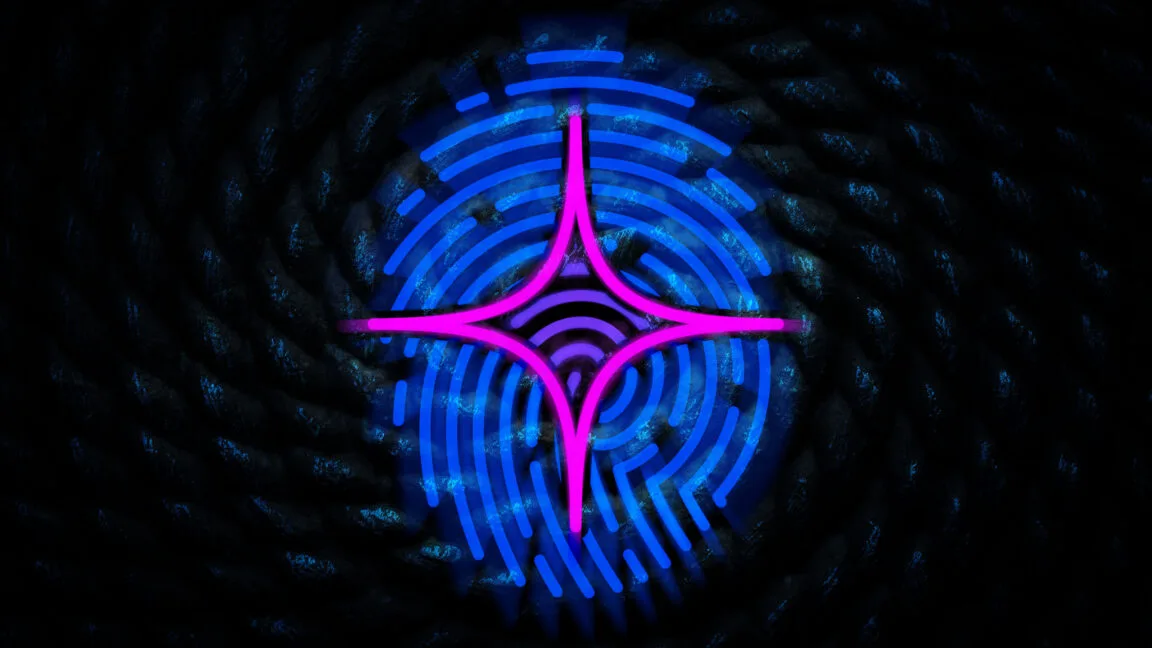
Every piece of AI content from Google's Gemini models has a hidden SynthID label, which makes it very difficult to pass the content off as authentic .

SynthID has also gotten buy-in from other major AI players, but actually checking for those invisible watermarks has been a convoluted process.

It's going to be a little easier going forward, though.

Google has announced that its SynthID detector now supports watermarks from all its partners, and it's available for anyone to use on a new dedicated website.

SynthID is an invisible signal encoded in the pixels of AI-generated images and videos, and in the waveform of AI audio.

Google says Gemini alone has integrated SynthID with over 180 billion images and videos, plus 240,000 years of audio.

Until now, the only way for those outside of Google's trusted tester program to check for SynthID was to ask Gemini.

This is rather clunky, and the model's output could sometimes be confusing when you just wanted a simple "yes" or "no." Now you can cut Gemini out of the loop.

Starting today, you can go to the new SynthID.com website to check a piece of content for an AI watermark.

A major limitation of Google's previous detector was that it only checked for Google's version of SynthID.

Even though ChatGPT images, for example, have SynthID, they wouldn't be flagged in Google's detector.

That's no longer a problem.

Read full article Comments

Read the full article on Ars Technica ›

5News aggregated this summary from the outlet’s public feed. The full article, with all the context, is on arstechnica.com — the content belongs to Ars Technica.

More from Ars Technica

See all ›

More in Technology

See all ›