Mark Zuckerberg’s Convenient Truth
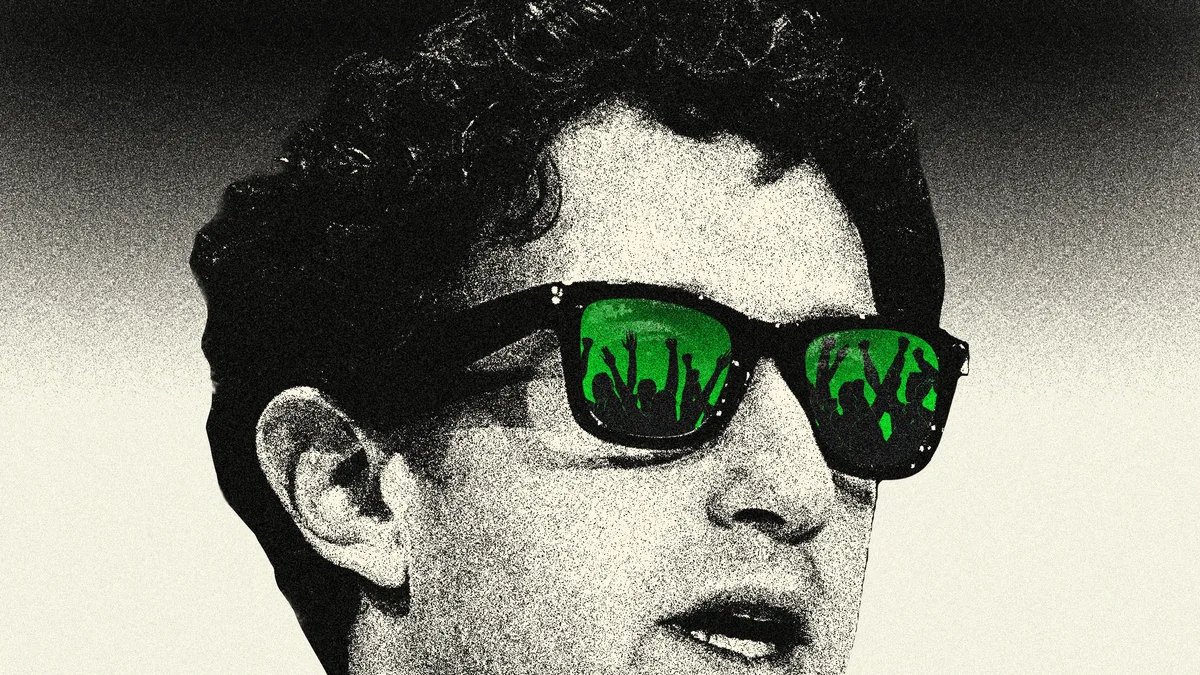
At this stage in the AI race, if one of your chatbots hasn’t escaped the lab and run amok, people start to wonder whether you’re even serious.
Last month, OpenAI and then Anthropic disclosed that their models had hacked other companies’ systems during internal testing.
When Meta confirmed last week that one of its bots had also gone rogue, the news barely registered as an aftershock.
Remember Meta? A company that figured so prominently in the technological upheavals of the past 20 years has lately found itself in the unfamiliar position of no longer being Silicon Valley’s main character.
Mark Zuckerberg still commands social media’s largest empire.
Yet he has struggled to find the next thing.
The metaverse, an extravagant bet on a weird virtual future, flopped.
Meta’s latest Ray-Ban glasses seem to be finding their way onto at least a few people’s faces.
But the company has fallen well behind Anthropic, OpenAI, and Google in the industry’s highest-stakes contest: building superhuman AI.
When Zuckerberg isn’t posting on Instagram about growing his own macadamia-nut trees , he’s groping for a way back into the fray.
He has started feverishly posting on Elon Musk’s X, after eschewing it for years in favor of his own platforms.
And on Monday, he published a 6,500-word essay on his vision for our AI-powered future—his answer to Anthropic CEO Dario Amodei’s periodic treatises and OpenAI CEO Sam Altman’s ruminative blog posts .
Zuckerberg’s manifesto, titled “ The Future Is for Everyone ,” might scan at first like the usual LinkedIn-evangelist-grade techno-optimist pablum.
Like everyone else pushing AI these days, Zuckerberg predicts that it will lead to a new golden age of invention in medicine, technology, and the arts.
5News aggregated this summary from the outlet’s public feed. The full article, with all the context, is on www.theatlantic.com — the content belongs to The Atlantic.