The bank account says no while the Europe group chat says YOLO. Gen Z is cutting spending—but not on little treats and last-minute trips
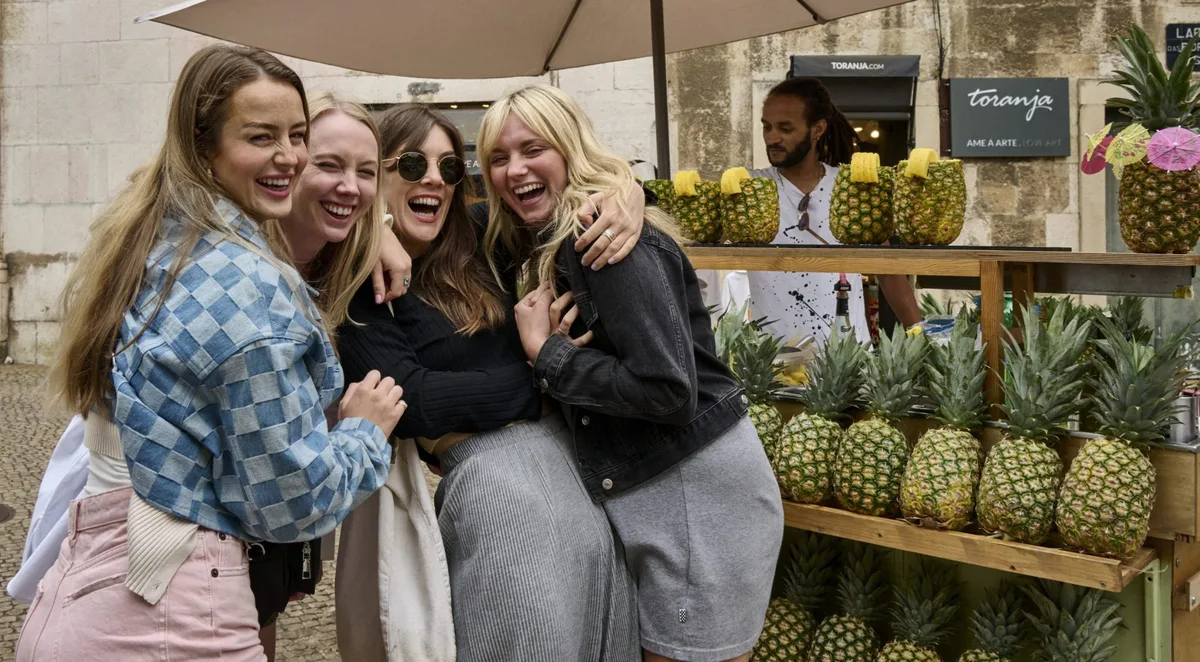
It’s practically a Gen Z canon event: scrolling through a bank app, counting down the days until payday, and wondering whether that emergency ramen stash can stretch a little longer when a notification drops down — “You’ve been added to ‘ Europe Summer 2027 !’” The bank balance says absolutely not, but hey, YOLO, right? The group-chat joke lands because many young people know exactly what’s in their checking account, and still want to make room for what makes life feel good.
For some, it’s finding room for a piece of jewelry or a small treat that feels personal.
Even on a tight budget, they’re holding space for the things that feel worth it right now, as everyday life gets more expensive .
Nearly 44% of Gen Z travelers frequently or very frequently take spontaneous trips, almost twice the 25.2% average across generations, according to Future Partners , and 62.7% say travel is worth investing in.
But half of Gen Z travelers in the U.S. also said they had made financial sacrifices for their last vacation, according to Skyscanner .
To afford the next trip, 52% said eating out less would be worth it, while 40% were willing to cut back on haircuts.
For many young adults, the calculation between enjoying money now and saving it for later has shifted.
Matt Lundquist, founder and clinical director of Tribeca Therapy, a New York City psychotherapy practice, said younger clients are imagining their economic futures differently as homeownership, stable employment, and raising children feel increasingly out of reach.
He helps clients approach those decisions as a psychotherapist, focusing on the emotions, family histories, and anxieties that shape how people use money—not simply the numbers in their budgets.
When traditional life milestones feel less attainable, he said, spending on something enjoyable now can seem more valuable than saving over the long term for an uncertain goal.
“There really is a strong felt difference in how young people are imagining the future will look like for them economically,” Lundquist told Fortune.
What feels worth the money When buying a home feels impossibly far , the math behind a small treat can start to look different.
Lindsay Bryan-Podvin, a financial therapist and host of the Mind Money Balance podcast, explained that such indulgences can offer a predictable moment of control when so much else feels uncertain.
“A $100 necklace or boba tea doesn’t compete with a down payment,” she told Fortune.
5News aggregated this summary from the outlet’s public feed. The full article, with all the context, is on fortune.com — the content belongs to Fortune.