Anthropic has soared to a $1.5 trillion valuation on secondary markets. Almost no one wants to sell.
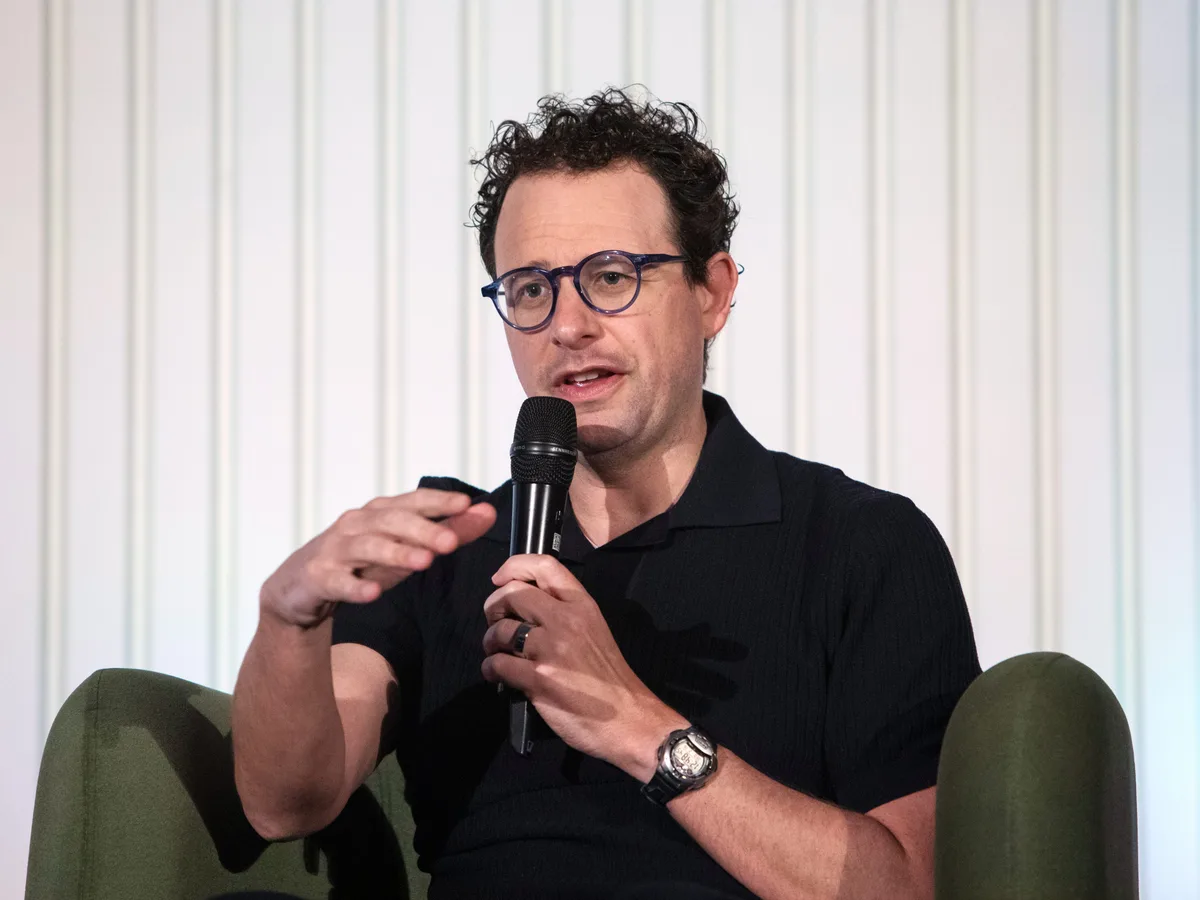
Dario Amodei is the co-founder and CEO of Anthropic, Bloomberg/Getty Images Since Anthropic is still private, the vast majority of investors buy on secondary markets.
Anthropic's secondary valuation has soared to $1.5 trillion over the past month, a 25% increase.
Anthropic's valuation has continued to climb even as its competitors have been closing the gap.
Investors still can't get enough of Anthropic.
As the AI giant races towards what could be one of the largest IPOs in history, its shares are changing hands on secondary markets at valuations as high as $1.5 trillion, even as competition from OpenAI and Chinese open-source models intensifies.
Anthropic's private market valuation has recently soared to as much as $1.5 trillion, a 25% increase over the past month, according to three secondary traders who spoke with Business Insider.
The catch is that shares are incredibly tough to get.
"The few sellers on our books are around $1.5 trillion," said Glen Anderson, CEO of Rainmaker Securities, a merchant bank focused on private securities transactions.
"Even at that number, there aren't a lot of sellers out there." Anthropic was last valued at $965 billion in a funding round announced in May.
In June , it filed paperwork to go public, with an expected public market debut in the next few months.
"People are trying to position themselves ahead of the IPO," said Adam Crawley, president of Augment, a marketplace to invest in private shares.
Since Anthropic is still private, the vast majority of investors buy on secondary markets, where existing stock is sold by employees or early investors.
Some are legitimate, while others have involved suspect deals with high fees and byzantine ownership structures structured as SPVs, or special-purpose vehicles, which allow investors to pool their funds for a single, one-off deal.
Anthropic declined to comment for this story.
5News aggregated this summary from the outlet’s public feed. The full article, with all the context, is on www.businessinsider.com — the content belongs to Business Insider.