Inside Germany's roughly $14 billion plan to deter Russia with a new arsenal of deep-strike missiles
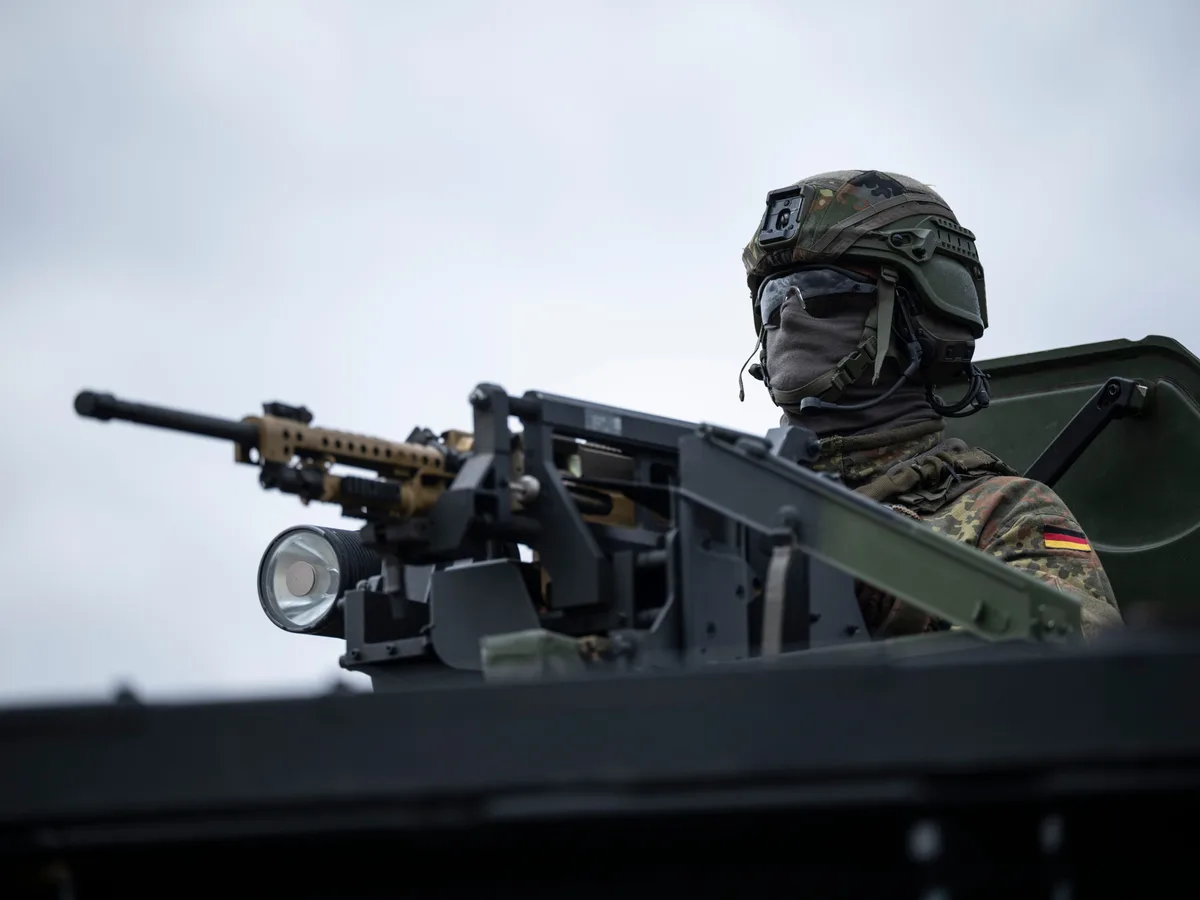
A Bundeswehr soldier looks out of a military vehicle Hannes P.
Albert/picture alliance via Getty Images Documents show Germany plans to invest roughly $14 billion in long-range weapons to counter Russia.
Germany aims for low-cost missiles by 2027, internal defense ministry documents show.
Germany intends to collaborate on Tomahawks and hypersonic missiles for strategic defense.
BERLIN — The German government expects it will need almost €12 billion — roughly $14 billion — to build a new arsenal of long-range weapons aimed at deterring Russia, according to defense ministry documents seen by POLITICO.
The weapons would give German forces the ability to hit military targets hundreds or even thousands of kilometers behind the front — including command centers, airfields, missile launchers, and supply hubs.
Internal documents call the effort a top priority for both Germany and NATO.
They say the goal is to allow German forces to strike "far into the rear area of an adversary" and maintain the ability to respond with conventional weapons "below the nuclear threshold." The plan has four parts, with the first weapons due as early as next year and the most advanced systems planned for the middle of the next decade.
German soldiers unloading a missile system.
Omar Marques/Getty Images Internal ministry talking points say "almost €12 billion" in budget funds are expected to be needed for the buildup.
The money has not yet been approved.
Another ministry document says the costs have been estimated and submitted as part of the government's budget planning process.
Germany's defense ministry declined to comment on the figure or individual programs.
"The measures you refer to are generally subject to the approval of the German Bundestag," a ministry spokesperson told POLITICO.
5News aggregated this summary from the outlet’s public feed. The full article, with all the context, is on www.businessinsider.com — the content belongs to Business Insider.