Less than 300 million barrels left: the engineering limits threatening the American Strategic Petroleum Reserve
In ancient legend, 300 Spartan warriors held the narrow pass at Thermopylae against a vast, overwhelming force, relying on a critical bottleneck to offset impossible odds.
Today, America’s energy security is facing its own fateful “300” moment, fought thousands of feet beneath the Gulf Coast.
As crude inventories in the Strategic Petroleum Reserve drain toward their operational limits, America is left, armed with just 300 million barrels.
This dwindling buffer forces the nation into a high-stakes standoff against the uncompromising laws of fluid dynamics, immense geological forces, strict federal statutes, and relentless geopolitical pressure.
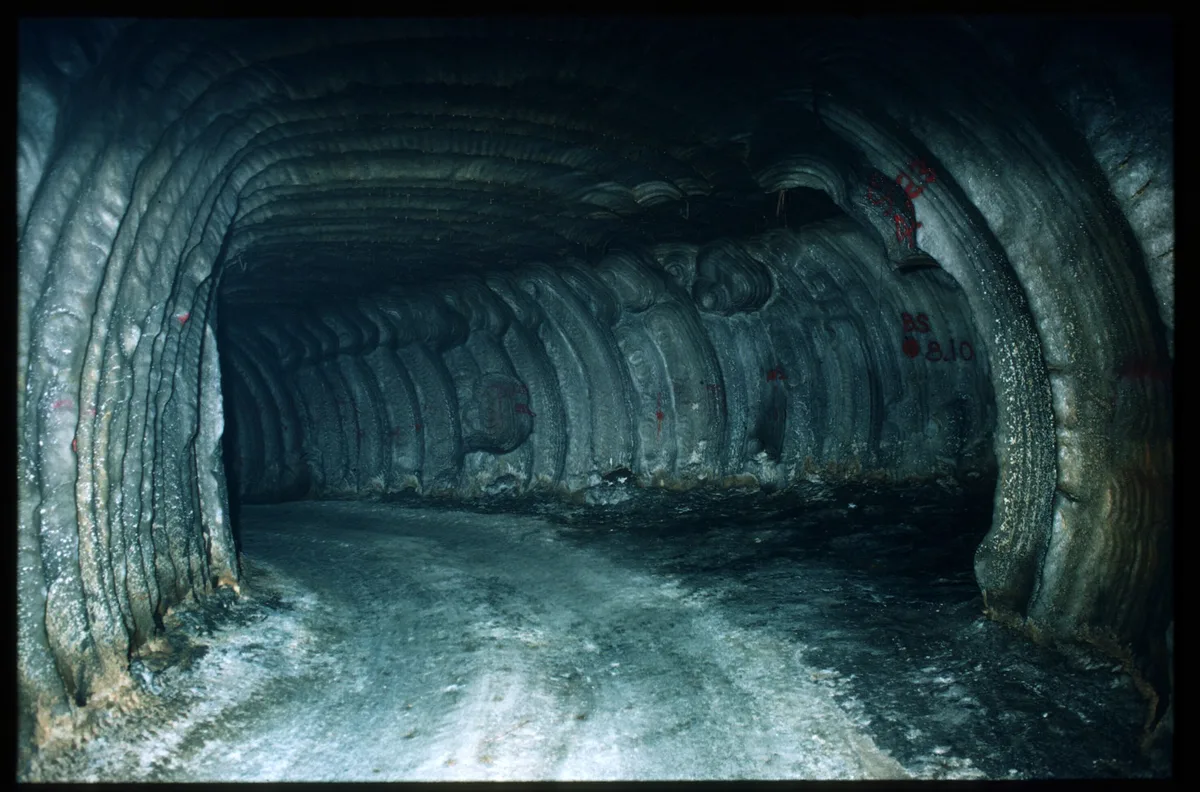
Inside the Mountain of Salt The SPR is a subsurface engineering marvel.
Spanning 60 massive underground salt caverns across four storage sites in Texas and Louisiana, the system holds a combined authorized capacity of 714 million barrels.
These solution-mined cavities are gigantic, often 300 feet wide and 2,000 feet tall, large enough to stack the Empire State Building inside.
Because these caverns operate entirely on a liquid displacement system, they can never be left empty.
If the fluids were removed without replacement, the immense geological weight of the overlying earth would cause the salt domes to collapse inward like a crushed shield.
Consequently, the total volume of fluid inside the reserve must be permanently maintained at 714 million barrels.
However, the actual crude oil inventory tells a sobering story.
The crude oil volume currently stands at approximately 293 million barrels.
The remainder is entirely heavy salt brine used to push the oil out.
Operating below this 300-million-barrel threshold pushes the aging infrastructure into uncharted and hazardous territory.
5News aggregated this summary from the outlet’s public feed. The full article, with all the context, is on fortune.com — the content belongs to Fortune.