‘We Forget — But the Camera Remembers’: How a Hippie River Trip Gave Birth to a Hit Doc Series
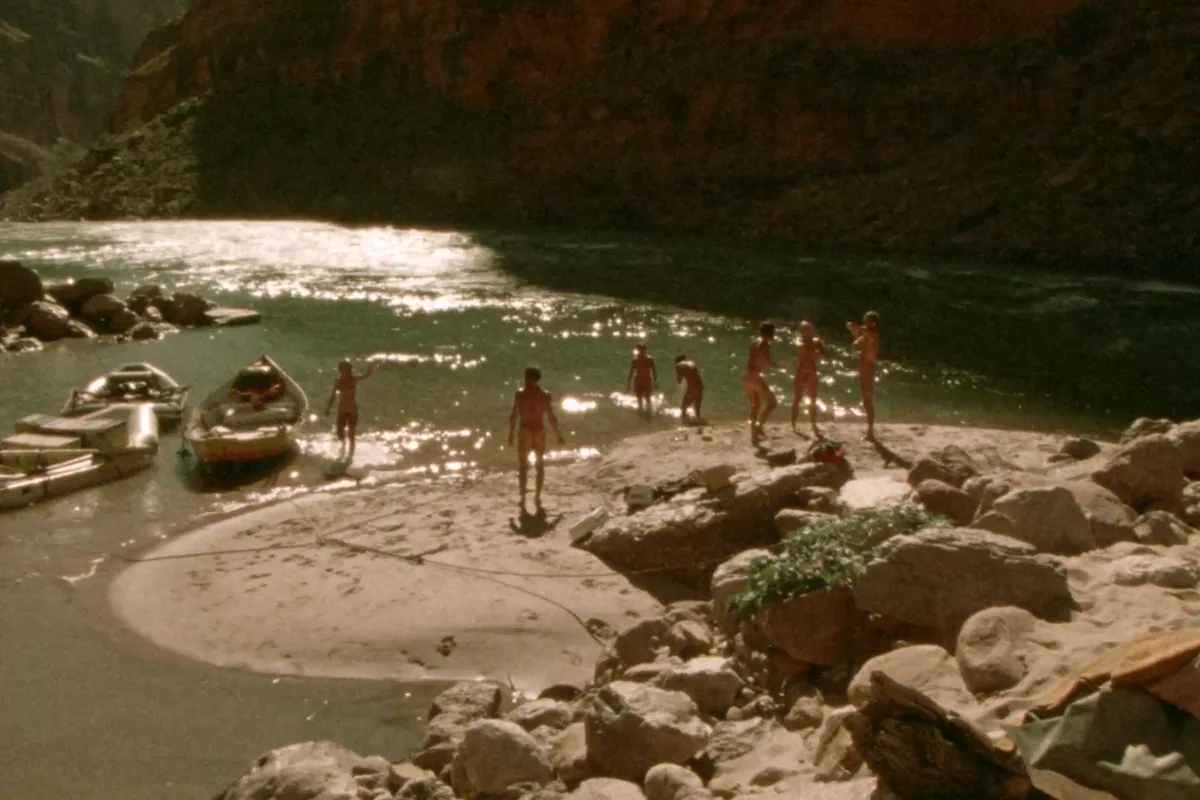
Robb Moss is sitting in the lobby of a theater in Columbia, Missouri, and fondly recounting the time he filmed his best friends while being completely stark naked.
To be fair, all of his companions on the river trip that he was shooting were equally bare-ass, basking in the Arizona sun and the bloom of their hippie youth. The year was 1978, though looking at the grainy footage he shot — and the lack of self-consciousness on display — you’d have initially carbon-dated it closer to 1969. The vibe is very Woodstock-era, got-to-get-back-to-the-garden innocence, a sentiment that has the filmmaker, now in his mid-seventies, nodding in agreement. “They don’t even know they’re quite naked,” Moss says, referring to the then-twentysomething versions of his fellow river guides. “They haven’t yet taken a bite from their adulthood.”
The documentarian had met his buddies Danny, Cathy, Jeff, Barry, and Jim after graduating from U.C. Berkeley in 1972 and wandering through Europe, and he began been working the river together with the group for years. They were all essentially vagabonds, experimenting with the new freedoms that was characteristic of a communal Sixties ideology they still held on to. Now, the quintet was planning on taking one final rafting trip before embarking on less countercultural, more career-driven pursuits. Moss had been gravitating toward filmmaking, so brought along a 16mm Bolex to capture this last go-round for posterity. “I was about to stop being a ‘river guy,'” he recalls. “Bringing a camera sort of helped me make the transition from my old life to my new life.”
The result turned into Riverdogs, a 1978 short that was partially a home movie and partially a testament to the bond all of these post-college friends had forged on the “lifeline of the Southwest.” It played a few festivals, and helped kickstart Moss’s trajectory toward a career in nonfiction filmmaking after he moved east. He’d always wished that more people had seen it, however, and when he began taking river-rafting trips again with his old crew in the late 1990s, Moss brought along his camera once more. Editor’s picks The 250 Greatest Albums of the 21st Century So Far The 100 Best TV Episodes of All Time The 500 Greatest Albums of All Time 100 Best Movies of the 21st Century
Life had changed drastically for all of them, naturally — there were now dealing with mortgages, children, marital strife, health issues, and your run-of-the-mill middle-age malaise. But once Moss began cutting the snippets of the short in the new footage he’d shot between 1996 and 2000, he found that the juxtaposition of the two timelines offered a stunning contrast between the carefree, frequently clothesless hippies who his friends once were and the fortysomething professionals who they had become. The result, The Same River Twice (2003), played in competition at Sundance and became a modest indie hit, playing in several theaters for months. When it eventually ended up on Netflix, this real-life Big Chill exponentially expanded its fanbase and became something of a nonfiction cult classic. Folks began to recognize the doc’s subjects on the street.
5News aggregated this summary from the outlet’s public feed. The full article, with all the context, is on www.rollingstone.com — the content belongs to Rolling Stone.