You might want to skip using a Bluetooth headset for a better gaming experience
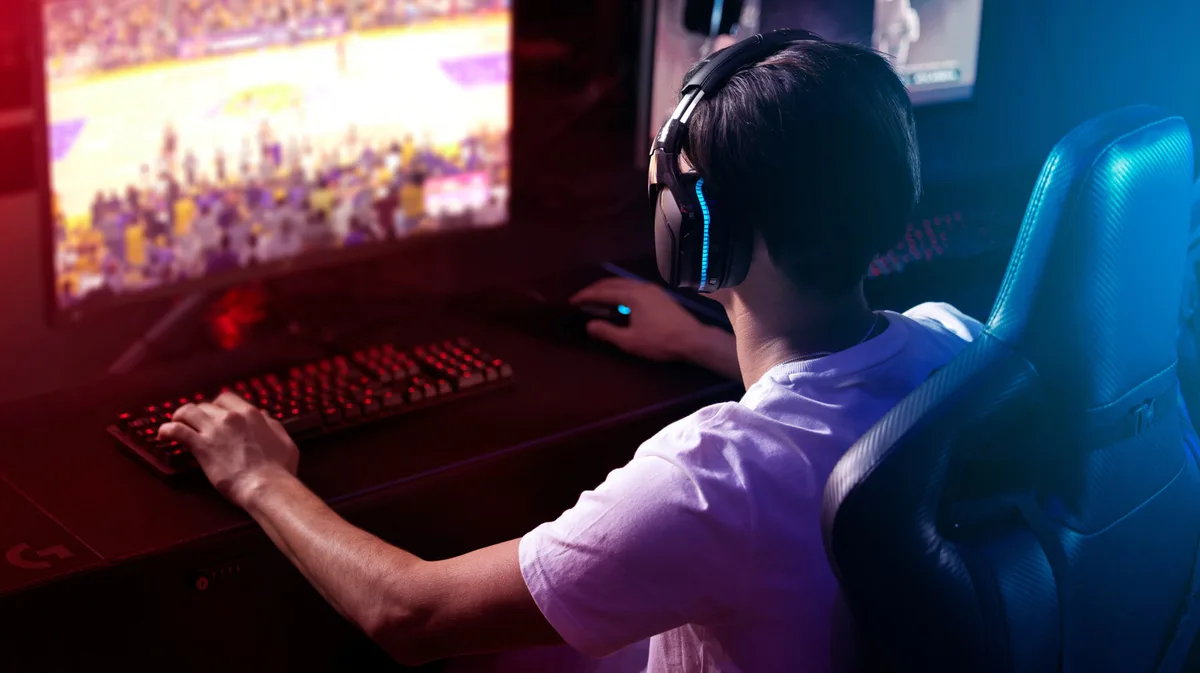
Bluetooth is convenient, but it has too many drawbacks to be the best choice for gaming.
PeopleImages/Shutterstock Bluetooth headsets are a natural fit for calls, music and podcasts since they're easy to pair, compatible with almost anything and free of cable clutter. But for gaming, that convenience has a trade-off. Bluetooth audio introduces latency that you won't notice until it starts costing you: missed timing windows, audio that falls a beat behind the action and split-second cues that are too late to act on. The gap between what's happening on-screen and what you're hearing is small enough to ignore in casual use, but significant enough to affect you when milliseconds count.
Not all headsets are equal. The three main connection types (Bluetooth, 2.4GHz wireless and wired) each handle latency, audio quality and stability in distinct ways. For fast-paced or competitive gaming, Bluetooth is generally the weakest of the three. It works well enough for casual play, but its latency limitations are hard to ignore when precision matters. For gamers who want reliable, low-latency audio, 2.4GHz wireless and wired headsets are the stronger option.
To put that in perspective, the average human visual reaction time is around 220 to 280ms, with auditory responses usually being faster (between 170 and 220ms). Fighter pilots and esports players will be much faster, but that's what average folk can expect. Even at the low end of Bluetooth's latency range, that delay can effectively double the time it takes you to respond to an audio cue. That means gunshots, footsteps and other critical sounds arrive late enough to throw you off your reaction entirely. If you've ever played a rhythm game on your phone using Bluetooth headphones, you'll know how that latency can affect your flow.
Another major downside to Bluetooth gaming is audio degradation during voice chat. Activating the microphone forces Bluetooth to switch to a low-bandwidth profile, severely reducing game sound quality. On consoles like the PS5, native Bluetooth audio isn't supported at all, requiring you to get creative with workarounds .
A 2.4GHz wireless gaming headset is a better option if you're adamant about going wire-free. These work differently from Bluetooth, using a USB dongle to create a dedicated wireless link that's typically lower-latency and more stable than Bluetooth for gaming. The result is latency under 20ms for most gaming-grade models, which is fast enough that the vast majority of players cannot distinguish it from wired. They also have more bandwidth available than Bluetooth, which can allow for higher-quality audio transmission depending on the headset's design.
Many of the best wireless gaming headsets offer 2.4GHz as their primary connection, with Bluetooth included as a secondary option for phone use and everyday listening. The catch is that headsets with this option are considerably more expensive than a basic wired alternative. And in some cases, you'll need to pick the right model for your console or it won't work at all.
Wired headphones also tend to deliver better sound quality than wireless alternatives at the same price point.
5News aggregated this summary from the outlet’s public feed. The full article, with all the context, is on www.engadget.com — the content belongs to Engadget.