Your gas station is selling Rhino, Anaconda and Magnum. It’s really secret Viagra
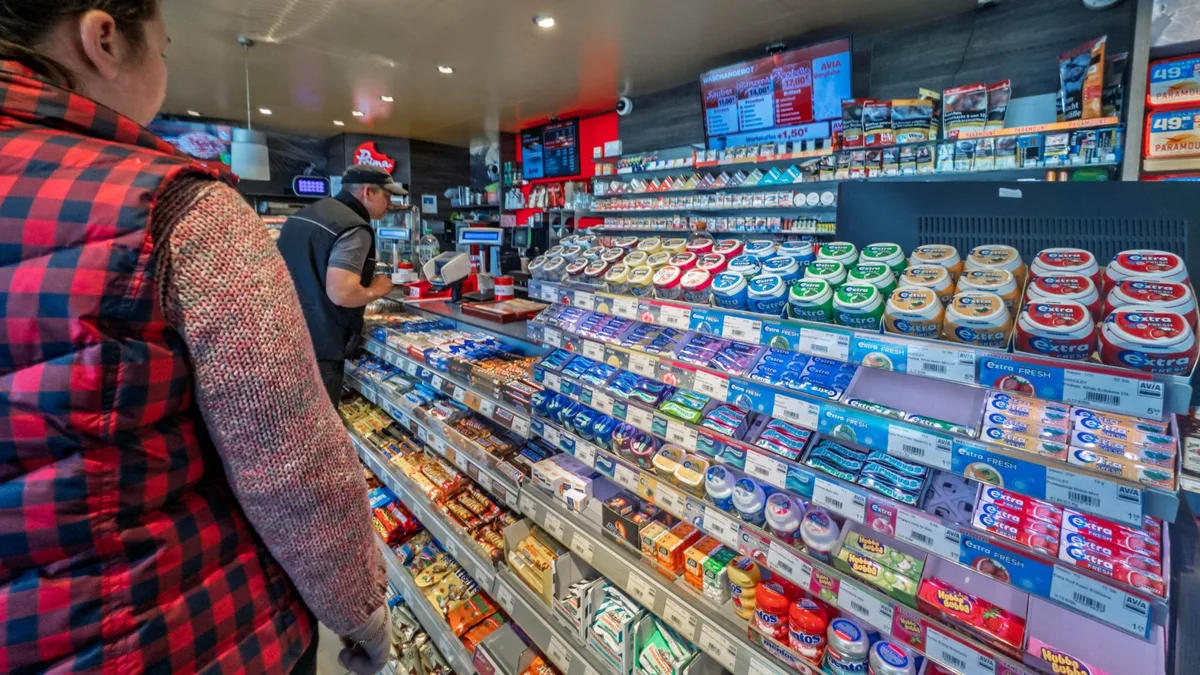
Brightly colored packaging, promises of better sexual performance and names like “ Rhino ,” “ Anaconda ” and “ Magnum ” make sexual enhancement products difficult to miss.
They can be found online, in convenience stores and at gas stations, and some can even be ordered through delivery services.
But what’s inside the package may be considerably different from what appears on the label.
In May 2023, the U.S.
Food and Drug Administration warned consumers not to use a sexual enhancement product called Rhino 7S Type F3 7000 , one of many Rhino-branded products.
Laboratory testing had found that it contained two ingredients that did not appear on its label: sildenafil – the active ingredient in the prescription erectile dysfunction medication Viagra – and acetaminophen , the widely used pain reliever also sold as Tylenol.
This finding was not an isolated incident.
Dating back to 2007 , the FDA has maintained an expanding list of health fraud scams, including sexual enhancement and energy products found to contain hidden pharmaceutical ingredients.
Today, the sexual enhancement market is still going strong – and still putting out adulterated substances.
Seven new products were added to the FDA’s list in September 2026.
Recent warnings have involved pills, gummies, honey products , coffee and even chocolates marketed as sexual enhancers.
As a public health researcher who studies substance use and health behaviors with unregulated products , I see these products as part of a larger challenge created by global supply chains, online commerce and a regulatory system that struggles to keep pace with rapidly changing products.
Supplements are regulated – but not like prescription drugs In the U.S., the FDA regulates dietary supplements under a different framework than for prescription and over-the-counter drugs.
Those drugs undergo a rigorous application process involving three phases of trials that usually take nearly a decade to complete.
5News aggregated this summary from the outlet’s public feed. The full article, with all the context, is on fortune.com — the content belongs to Fortune.