WNBA icons say the discourse and scrutiny around the league are part of the growing pains of success
During Hall of Fame weekend, nearly everyone would like the attention to be on basketball, but it's difficult to ignore the conversations that are swirling around the WNBA — especially with some of the league's greatest icons being enshrined
UNCASVILLE, Conn. -- During this Hall of Fame weekend , nearly everyone would like the attention to be on basketball, but it's difficult to ignore the conversations that are swirling around the WNBA — especially with some of the league's greatest icons being enshrined.
The ongoing vitriol centered around race, gender and sexuality makes for daily headlines. They are part of an undertone to fouls and physicality that have come with the evolution of women's skills, all of which overshadow the impressive play that can be seen during the WNBA’s 30th year.
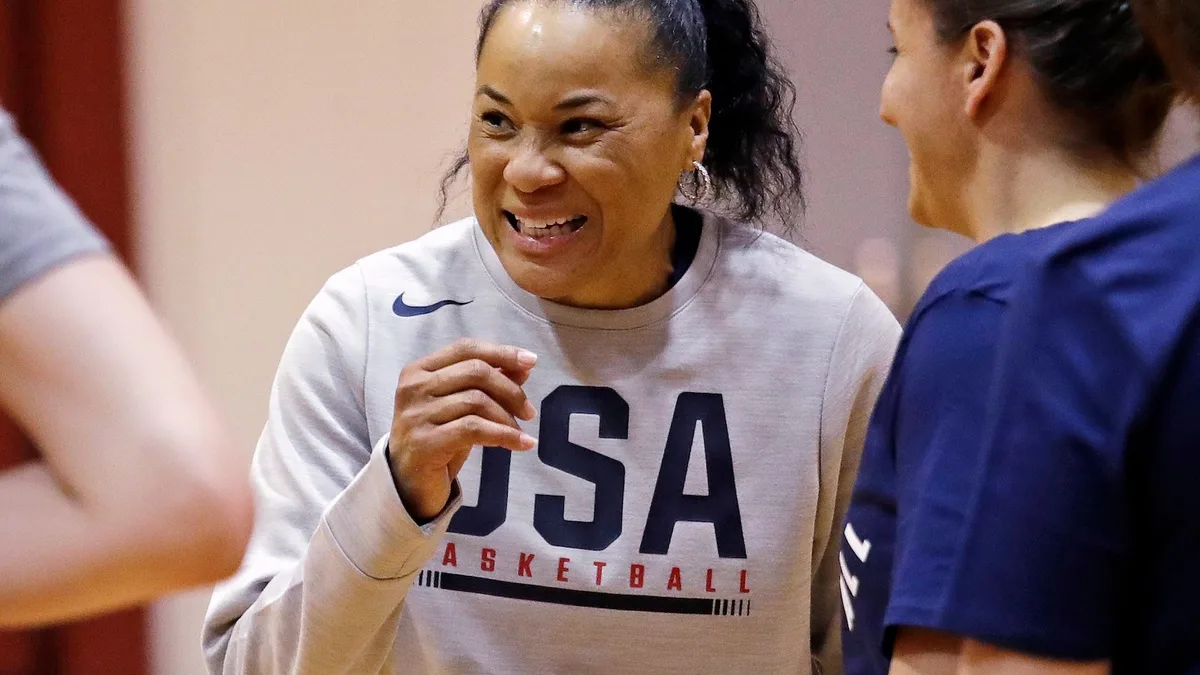
Hall of Famer Dawn Staley, who is getting inducted again Saturday with the 1996 Olympic women’s basketball team, sees a positive side to the negativity. Staley said there are similar parallels between what the WNBA is going through and what the NBA went through in the early stages of its growth.
“All the big pieces and all the things that are happening from a racial standpoint, from an officiating standpoint are great. They’re great because the NBA went through it — the NBA went through all of it,” she said. “So this is just badges of honor. Will we get through it? We will get through it.”
What the NBA had to deal with was who could play in the league. It was an all-white league when it was launched and there was resistance to integration. The WNBA has been hit lately with a narrative on whether transgender women — people assigned male at birth who transition to align with their gender identity — should be allowed to play in the league. There has never been one.
There have been players in the league who were assigned female at birth and later came out as transgender or nonbinary.
WNBA players’ union president Nneka Ogwumike said she feels awful for the transgender fans who have supported the league for so many years.
“It really breaks my heart to think about how these conversations may be affecting people who have supported us for so long,” she said.
WNBA players have used their platform to engage in social and political discussions, but Ogwumike believes there is an underlying agenda to the off-court questions players are constantly being asked about.
“It’s super unfortunate because we’re now in a time where I think there’s a lot of different agendas that are being used for something perhaps bigger and broader that people can’t see now that they’re using women’s sports for,” Ogwumike said. “It’s very concerning, but what I really do hate is that we are using a very nuanced conversation — and evolving conversation — to continue to marginalize these groups that we advocate for.”
Ogwumike understands the tough balance that’s going on with the news media and on social media.
"Even something as simple as you guys asking actual basketball questions. I think it’s very helpful,” she said.
5News aggregated this summary from the outlet’s public feed. The full article, with all the context, is on abcnews.go.com — the content belongs to ABC News Sports.