‘We will not endure’ — Top Iranian leaders signal they are running out of time as economy crumbles ahead of Trump’s next sanctions onslaught
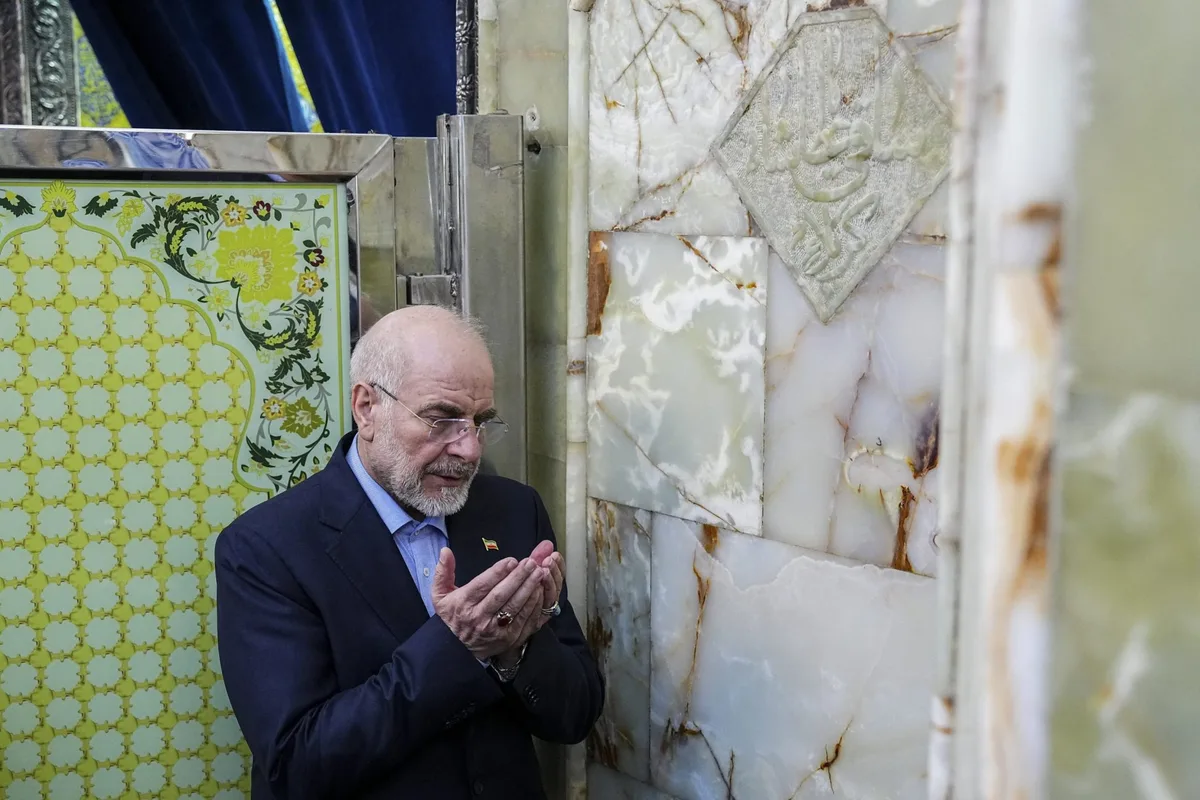
A split in Iran’s leadership has grown sharper recently, revealing increased impatience with the current stalemate as the economy continues to crash.
Moderate officials in particular have expressed anxiety with hardliners’ aggressive military-first approach, signaling that time is running out to obtain some economic relief as the U.S. and Iran remain in limbo with no sign of diplomatic progress.
“No matter how strong we are militarily, if the people are hungry and we do not have financial circulation, economic growth and domestic production, we will not endure,” parliamentary speaker Iran’s chief negotiator Mohammad Bagher Ghalibaf said while visiting Iraq on Friday.
In another swipe at Iran’s hawks, he added, “As someone who has experienced war, we understand the true value of peace.” Also on Friday, President Masoud Pezeshkian, who is responsible for Iran’s economy, similarly pushed back on hardliners’ criticism about the ceasefire deal with the U.S., saying it didn’t represent capitulation.
In comments carried by state media, he also called for the war to wind down, hinting that Tehran has leverage that it must use sooner rather than later.
“It is better to end it today, as we are in a position of strength and dignity,” Pezeshkian said.
“The whole world acknowledges our victory and emphasizes that America has attacked our schools, hospitals and infrastructure in violation of all regulations and is hated around the world.” In addition, Iran’s central bank governor, admitted on state TV this week that the U.S. blockade has prevented Iran from selling it oil, a top source of revenue for the regime.
“It is a reality that we are not exporting oil,” Abdolnaser Hemmati said.
“The Americans have frozen our foreign exchange reserves and do not allow us to access them.” The blockade is also preventing critical products from coming into Iran.
On top of that, the United Arab Emirates’ decision this week to impose a total embargo on trade and financial transactions with Iran will cut off a vital lifeline.
Indeed, the deputy head of Iran’s Energy Optimisation Organisation flagged limitations in fuel imports, forcing the industry to significantly tap reserves in recent months.
The stark, public remarks contrast with similar concerns that were aired anonymously about Iran’s economy and the damage being inflicted on it by the U.S. naval blockade .
Still, some officials have been on the record as well.
Iran’s deputy foreign minister has said the economy desperately needs sanctions relief that a deal with the U.S. could provide.
5News aggregated this summary from the outlet’s public feed. The full article, with all the context, is on fortune.com — the content belongs to Fortune.