See which U.S. states are most at risk from Canadian tariffs
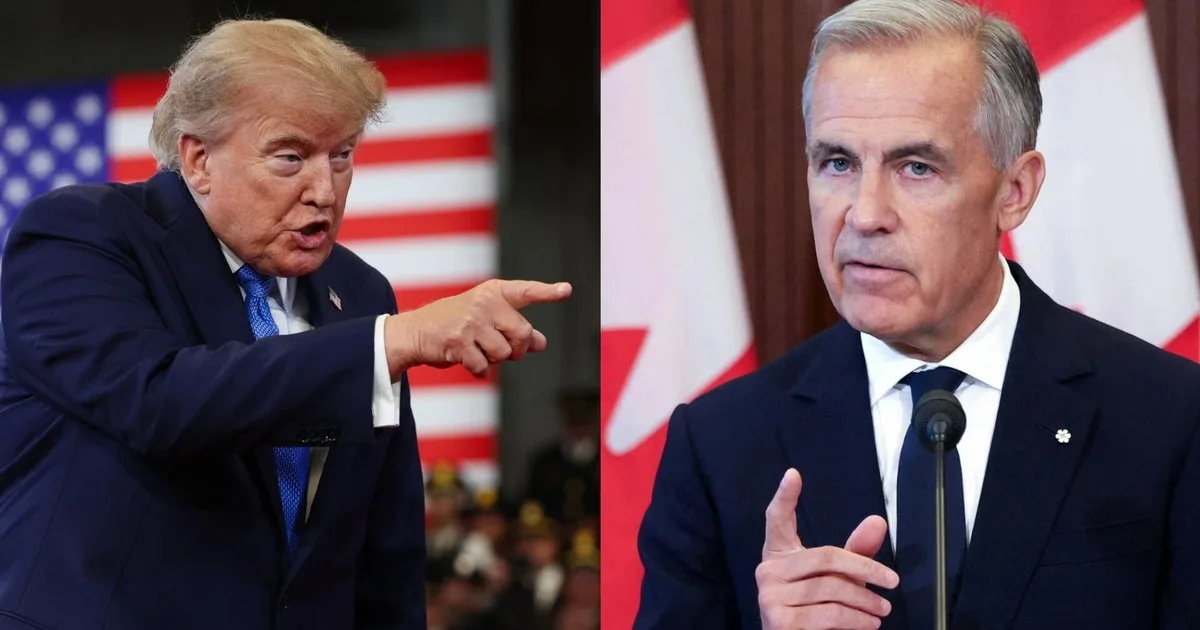
Canadian trade officials acknowledge that the country's retaliatory tariffs of up to 50% on $20 billion in American goods are intended to exert pressure on the Trump administration by targeting key U.S. states. Although the negotiators haven't identified those regions, the tariffs could hit states in the Midwest and Northeast particularly hard, according to economists' analysis of Canada's new import duties and state export data.
"We are picking products that will target states in the U.S.," Melanie Joly, Canada's industry minister, said Tuesday in announcing the tariffs. "We're being wise and strategic to put political pressure, and that's why we think it's ‌the right thing to do right now."
Canada's tit-for-tat tariffs are the latest volley in a widening trade war pitting two longtime allies against each other, a fight that experts say could hurt both countries economically. The conflict comes after the Trump administration announced 50% tariffs on Canadian products following failed negotiations. On Monday, President Trump also announced 50% tariffs on Canadian automotive and steel imports that, absent a deal, would take effect on Jan. 1, 2027.
Canada's tariffs appear designed to put pressure on U.S. states with competitive midterm elections, economists said. The import duties will be applied to more than 800 types of U.S. goods , impacting everything from American-made cheddar cheese to steel and aluminum products, potentially hurting dairy producers in Wisconsin and Vermont and manufacturers in Michigan and Indiana.
Canada is the top customer for exports from 27 U.S. states, Canadian government data shows. While North Dakota is the state most reliant on trade with Canada, excluding fuel products, a large share of its exports consists of soybeans, wheat and other agricultural products, which are exempt from Canada's new tariffs.
Michigan, Indiana and other states with large manufacturing sectors that ship goods to Canada are likely to feel a bigger impact than agricultural states like North Dakota because the new tariffs will apply to U.S.-made appliances, steel, aluminum and tools, experts said.
The White House said Canada's trade practices particularly harm states in the Midwest.
"America's heartland states like Michigan and Indiana have been some of the worst hit by unfair foreign trade practices, including by Canada, and were resoundingly won by President Trump because of his pledge to put American workers, farmers and businesses first," White House spokesman Kush Desai said in a statement to CBS News. "Canada was offered the best trade deal of any trading partner, and Canada rejected that deal to demand continued one-sided access to the American market with no reciprocity."
Because Canada's tariffs roughly mirror those that the U.S. imposed on Canadian goods, they target hundreds of products across different industries in both Republican- and Democratic-leaning states, Mary Lovely, a U.S.
5News aggregated this summary from the outlet’s public feed. The full article, with all the context, is on www.cbsnews.com — the content belongs to CBS News.





