Democrats Are Failing the Waymo Test
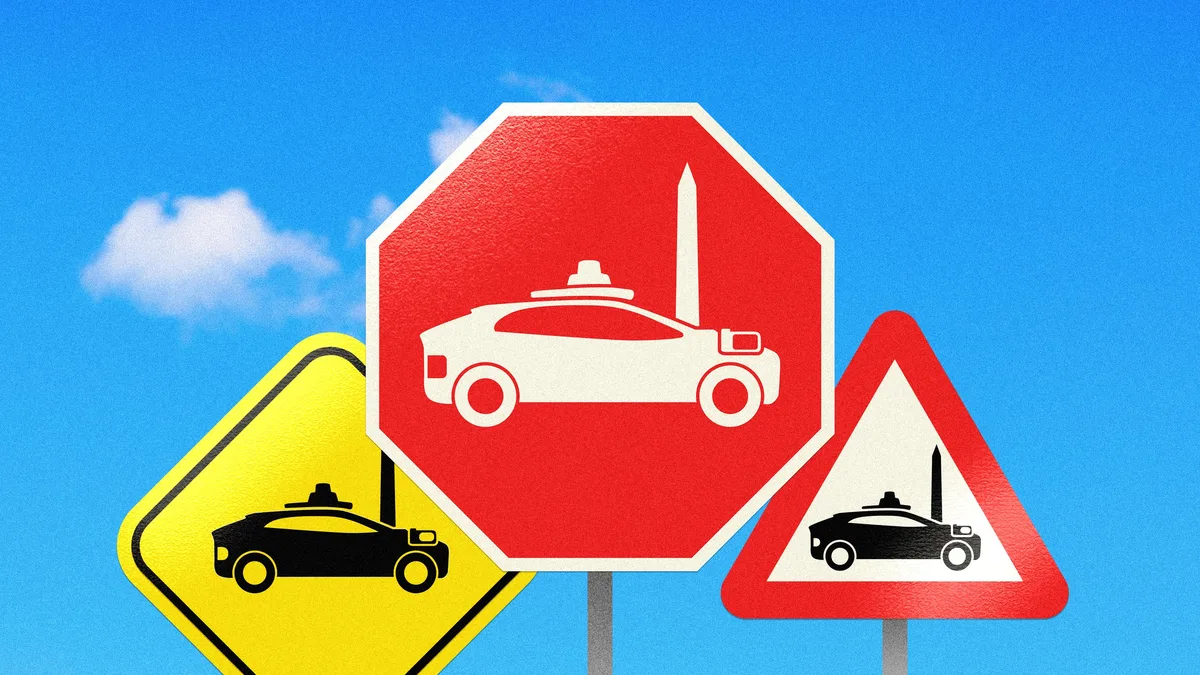
The driverless future is here —but, to borrow from William Gibson, it’s not evenly distributed.
Waymo’s self-driving robotaxis are available in cities in California, Arizona, Florida, Georgia, Tennessee, and Texas.
Aside from California, where the technology originated, those are all red or purple states.
In every other blue state, meanwhile, driverless taxis are still not allowed to operate.
If you live in Miami or Dallas, you can summon a Waymo to get where you’re going.
If you live in Boston or New York, you can’t.
This is not an accident.
In Democratic jurisdictions, a coalition of labor unions, anti-tech activists, and politicians have kept driverless vehicles off the streets. (Colorado, which passed a bill authorizing driverless vehicles in 2017, before the current backlash, is on track to become the exception later this year.) They argue that the new technology would make the roads more dangerous and throw millions of human drivers out of work, all to enrich a handful of tech oligarchs.
A version of this fight is now playing out in Washington, D.C., where Kamala Harris won more than 90 percent of the vote in 2024 and where local officials recently introduced a bill that would provide a pathway for robotaxis to begin operating.
Some residents have welcomed that prospect.
But others are digging in their heels.
Bill Davis, the president of the local Teamsters union, declared in a statement that the legislation “doesn’t benefit anyone outside of Silicon Valley billionaires” and “comes at the expense of middle-class professional drivers and anyone else who wants safer streets in our city.” Driverless cars will indeed cost some workers their jobs.
But unlike so many other recent Silicon Valley innovations, they have already demonstrated the potential to bring immense societal benefits.
About 40,000 Americans die in car accidents every year.
5News aggregated this summary from the outlet’s public feed. The full article, with all the context, is on www.theatlantic.com — the content belongs to The Atlantic.