UAE halts all trade with Iran after new missile fire in Gulf, cutting off a key export route for Tehran
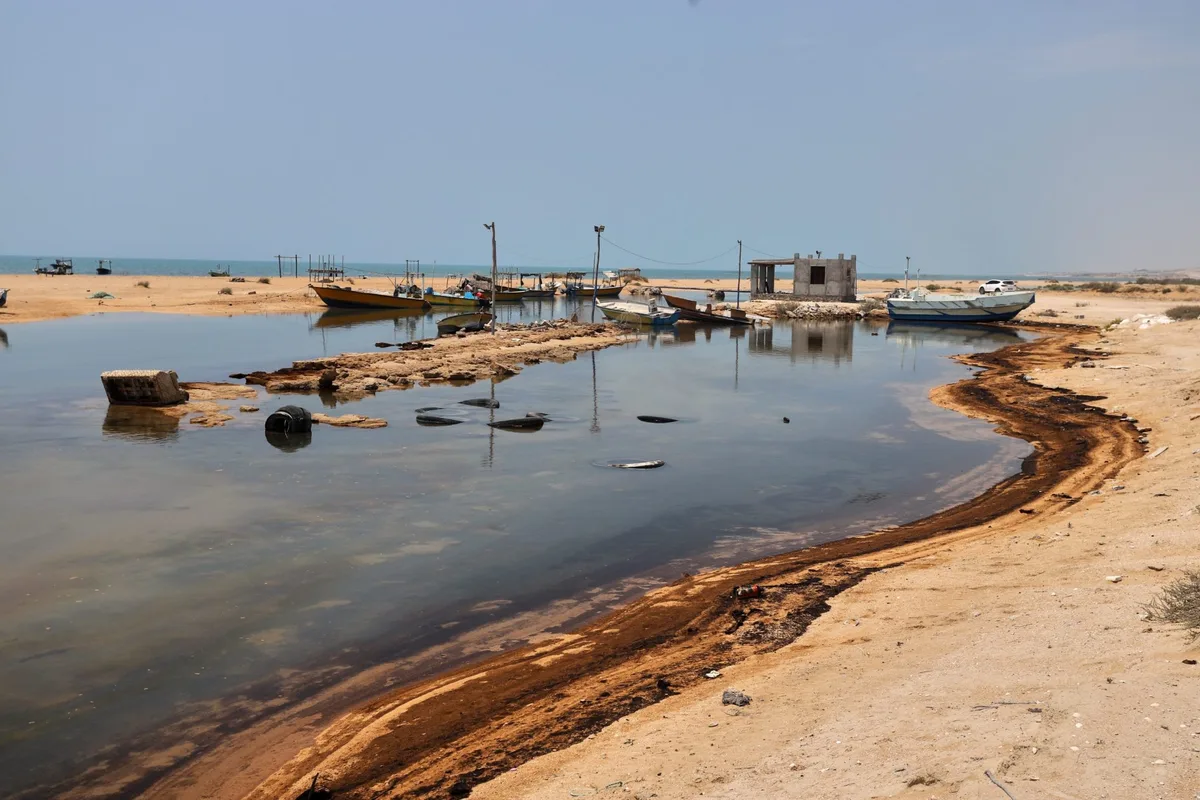
The United Arab Emirates suspended all trade with Iran on Wednesday after the UAE said it had come under renewed fire from the country — a move that will further isolate the Islamic Republic, which is suffering under U.S. sanctions and a blockade.
Incoming ballistic missile fire triggered nationwide warnings Tuesday night for UAE residents to seek shelter, the first time in weeks such an alarm had sounded.
Early in the conflict, the UAE regularly came under intense fire from Iran , and most trade between the countries, which had once been important trading partners, ground to a halt.
In late June, as hostilities eased, some maritime trade resumed, Iran’s state-run IRNA news agency reported.
Beyond the trade in domestically produced goods, “the UAE has been very important for Iran as a re-export hub and has helped the country absorb some of the shocks caused by sanctions,” Mohammad Farzanegan, a professor of Middle Eastern economics at Germany’s University of Marburg, told The Associated Press.
“Iran therefore depends heavily on the UAE, not because the UAE itself produces one-third of Iran’s imports, but because it serves as a major gateway for Iran to access third-country goods and commercial infrastructure.” The UAE accuses Iran of firing missiles.
Tehran denies it Following the announcement that two ballistic missiles had been fired toward the UAE, both of which splashed down in the Persian Gulf late Tuesday, the Emirati Foreign Ministry said it decided to impose the punitive measures, while also saying it remained committed to “dialogue, cooperation and regional integration.” The step halted all trade and financial transactions “until further notice,” the ministry said in a statement.
The UAE Defense Ministry said assessments showed that the missiles targeted maritime traffic.
It was not clear whether they targeted Emirati ships or the country’s territorial waters.
Iranian Foreign Ministry spokesperson Esmail Baghaei denied that Iran had launched any missiles toward the UAE.
As part of Iran’s efforts to maintain a stranglehold over the Strait of Hormuz, it has regularly attacked ships attempting to use the waterway, including four tankers owned by Abu Dhabi’s state-owned ADNOC oil and gas company over the past two weeks.
None of the attacks caused injuries, but they brought harsh condemnation from the UAE and others in the region, including Kuwait and Bahrain.
Since the beginning of the conflict, nearly 20 ADNOC vessels have been attacked by missiles and drones in the Strait of Hormuz, killing one person and wounding another 20.
Iran’s ability to control traffic through the strait , through which a fifth of traded oil and natural gas passed during peacetime, has proved its biggest strategic advantage in the war.
5News aggregated this summary from the outlet’s public feed. The full article, with all the context, is on fortune.com — the content belongs to Fortune.