Sunday, October 11, 2026 SourcesAbout🌓
🇺🇸 US ▾
BREAKING
› Russia is 'going backwards' in equipment and deploying post WWII-era tanks, according to Western officials› Podcast: One country musician is calling for other artists to oppose assault rifles› Bidets save you money and reduce waste — we tested the best options out there› 50+ products to make your life easier and our planet cleaner› Mother's Day is around the corner. Here are 50+ thoughtful gifts she'll love› A head-to-toe guide of how men should dress this spring, and where they should shop› 42 of the most useful travel products you can buy on Amazon› The 7 best high-yield savings accounts of April 2023› Taxes are due tomorrow. Here's how to file for an extension› Composting is an easy way to reduce food waste. Here's how to do it› Russia is 'going backwards' in equipment and deploying post WWII-era tanks, according to Western officials› Podcast: One country musician is calling for other artists to oppose assault rifles› Bidets save you money and reduce waste — we tested the best options out there› 50+ products to make your life easier and our planet cleaner› Mother's Day is around the corner. Here are 50+ thoughtful gifts she'll love› A head-to-toe guide of how men should dress this spring, and where they should shop› 42 of the most useful travel products you can buy on Amazon› The 7 best high-yield savings accounts of April 2023› Taxes are due tomorrow. Here's how to file for an extension› Composting is an easy way to reduce food waste. Here's how to do it
U.S. News

Brendan Carr was a member of a rogue Alcoholics Anonymous group some labeled a ‘cult’
The Guardian US ·
Brendan Carr was a member of a rogue Alcoholics Anonymous group some labeled a ‘cult’

Carr was a member of the group in his teens and 20s.

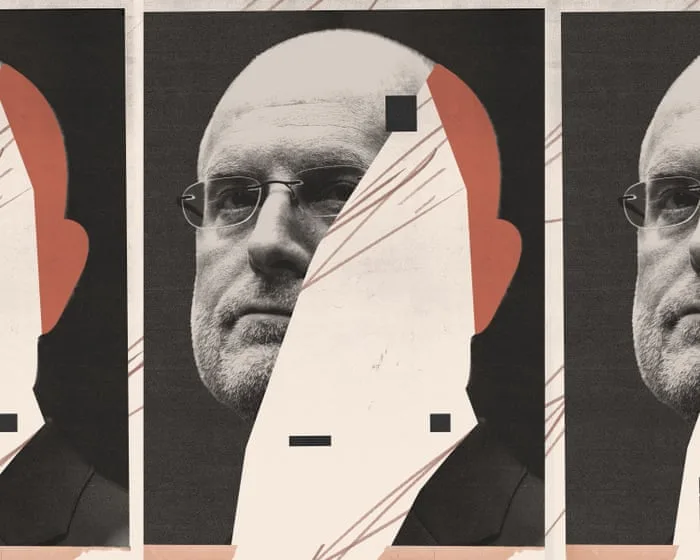
There is no evidence Trump’s powerful FCC chair participated in any inappropriate conduct Brendan Carr, the chair of the Federal Communications Commission (FCC), was for about a decade a member of a rogue Alcoholics Anonymous (AA) group when he was in his late teens and 20s that some former members compared to a “cult”, according to a Guardian investigation.

The Midtown group, which was based in the Washington DC area, attracted young people who were seeking help with addiction, sometimes at the urging of their parents.

Continue reading...

Read the full article on The Guardian US ›

5News aggregated this summary from the outlet’s public feed. The full article, with all the context, is on www.theguardian.com — the content belongs to The Guardian US.


More from The Guardian US

See all ›

More in U.S. News

See all ›