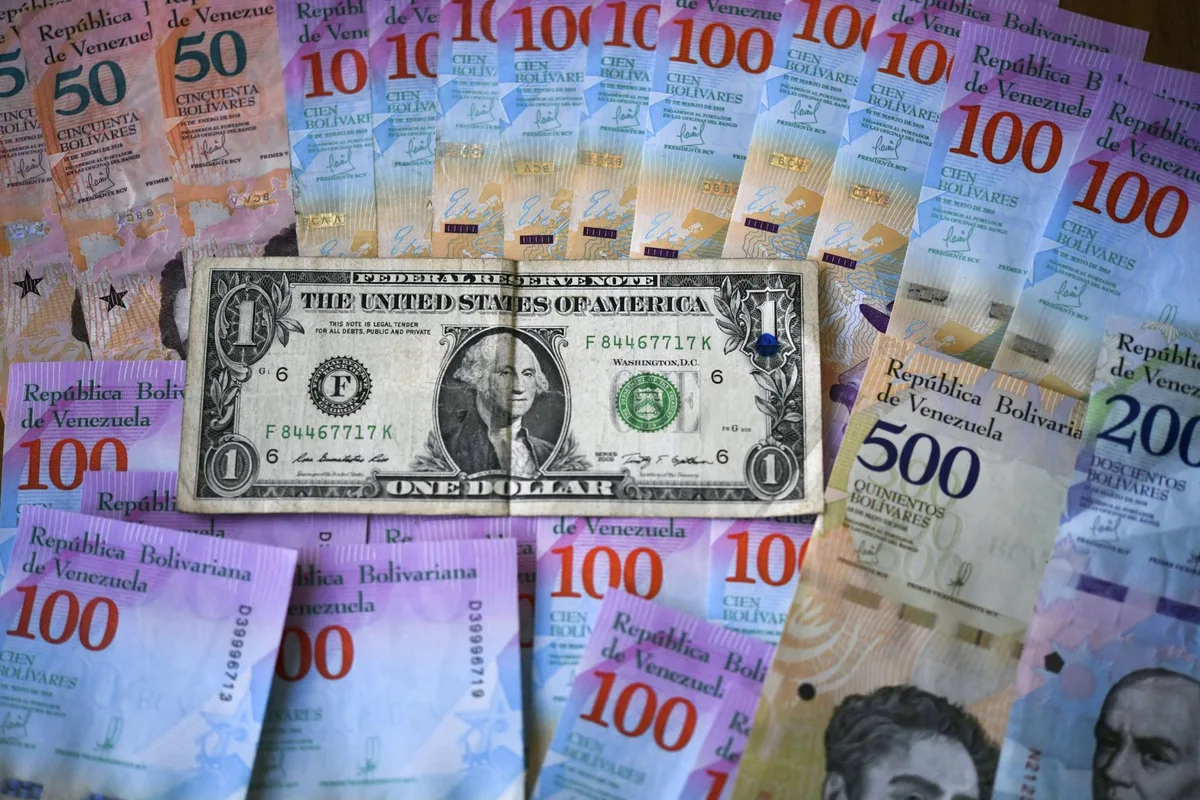
Venezuela abandoning the bolivar and adopting the U.S. dollar would be the biggest currency switch since the advent of the euro, Hanke says
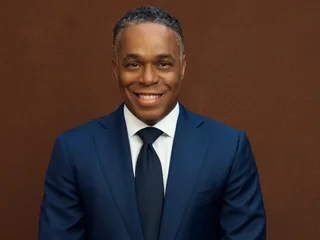
Steve Hanke earned the moniker “Money Doctor” after advising governments across the globe on how to use currencies to get inflation under control.
The professor of applied economics at Johns Hopkins University is now helping Venezuela and has been named a special advisor to the country’s National Assembly.
He told Fortune’s Shawn Tully that his solution for Venezuela’s 400% inflation is full adoption of the U.S. dollar, meaning bolivars and the central bank would be abandoned.
The idea is to remove the risk of a central bank printing money to help the government pay its bills, stoking higher prices.
“Taming inflation is the key to restoring stability in Venezuela, and all the other progress flows from that,” Hanke explained.
“Stability isn’t everything, but without stability, which means stable prices, you have nothing.
And there’s no better case study showing that’s true than Venezuela.” He should know.
The Money Doctor persuaded Montenegro in 1999 to dump theYugoslav dinar for the Deutschemark.
He also oversaw Ecuador’s switch from the sucre to the U.S. dollar in 2000, marking the first dollarization in Latin America since Panama a century earlier.
Then in 2009, Hanke became an informal advisor to the prime minister of Zimbabwe, which dollarized and reined in inflation.
But a new government ditched the dollar in 2013, and hyperinflation returned.
Hanke is now on his second attempt in Venezuela, after his plan for a currency board in the mid-1990s failed to win a majority in the National Assembly.
This time, he sees 50%-80% odds that dollarization will be approved.
“It would be the biggest switch from domestic currencies to an alternative since the introduction of the euro in 1999,” he told Fortune’s Tully.
5News aggregated this summary from the outlet’s public feed. The full article, with all the context, is on fortune.com — the content belongs to Fortune.