Ted Cruz Calls Trump’s ‘Lyin’ Ted’ Attack ‘Political Genius’
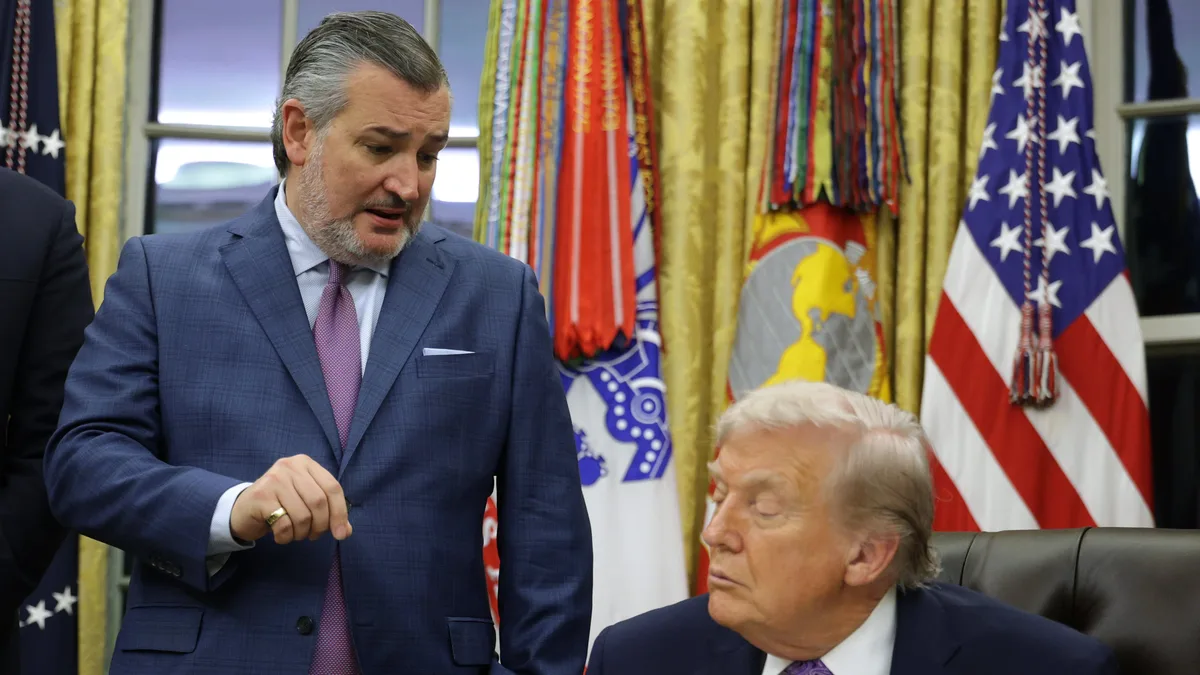
Alex Wong / Getty Images Ted Cruz has lamely praised Donald Trump’s “political genius” for coming up with the humiliating nickname that helped destroy the senator’s presidential campaign a decade ago.
Cruz and Trump have ridden a political rollercoaster, going from allies in 2015 to bitter rivals during the 2016 Republican presidential primary, when Trump branded the Texas senator “Lyin’ Ted.” The pair eventually reconciled, with Cruz becoming a Trump loyalist in the Senate.
Now, Cruz is attempting to spin the most humiliating chapter of their feud in his own favor.
On the latest episode of Sean Hannity’s podcast, the Texas senator was asked whether Trump’s infamous 2016 attack on him as “Lyin’ Ted” had upset him at the time.
“No, because I respect the fight,” Cruz said.
He went even further, praising the tactic as “political genius” and describing Trump as having “an instinctual marketing genius.” Cruz said the nickname worked precisely because it targeted what he claimed was his biggest political asset: his reputation for keeping his word.
“If you look at that race, my biggest strength was people trusted me,” Cruz said.
“People trusted that I believed what I said.
That when I said I would do something, I would do it.
And that had been my whole record of doing what I said.” He likened Trump’s strategy to martial arts, saying, “Lyin’ Ted, it was effective because it literally went to my greatest strength.” “Like you do martial arts, it’s jiu-jitsu.
It’s using your opponent’s strength against him.
It was brilliant,” Cruz said.
Cruz added that he was unsure whether Trump deliberately calculated the move or simply relied on instinct.
“And I don’t know that he reasons it through as compared to just instinctual.” Hannity summed up Trump’s approach: “He’s a gut instinct guy.” Trump’s “Lyin’ Ted” nickname for Ted Cruz emerged during the bitter 2016 Republican presidential primary, when the two men went from early allies to fierce rivals.
5News aggregated this summary from the outlet’s public feed. The full article, with all the context, is on www.thedailybeast.com — the content belongs to The Daily Beast.