30 Years Later, ‘Cure’ Is Still an Unassailably Hypnotic Horror Masterwork
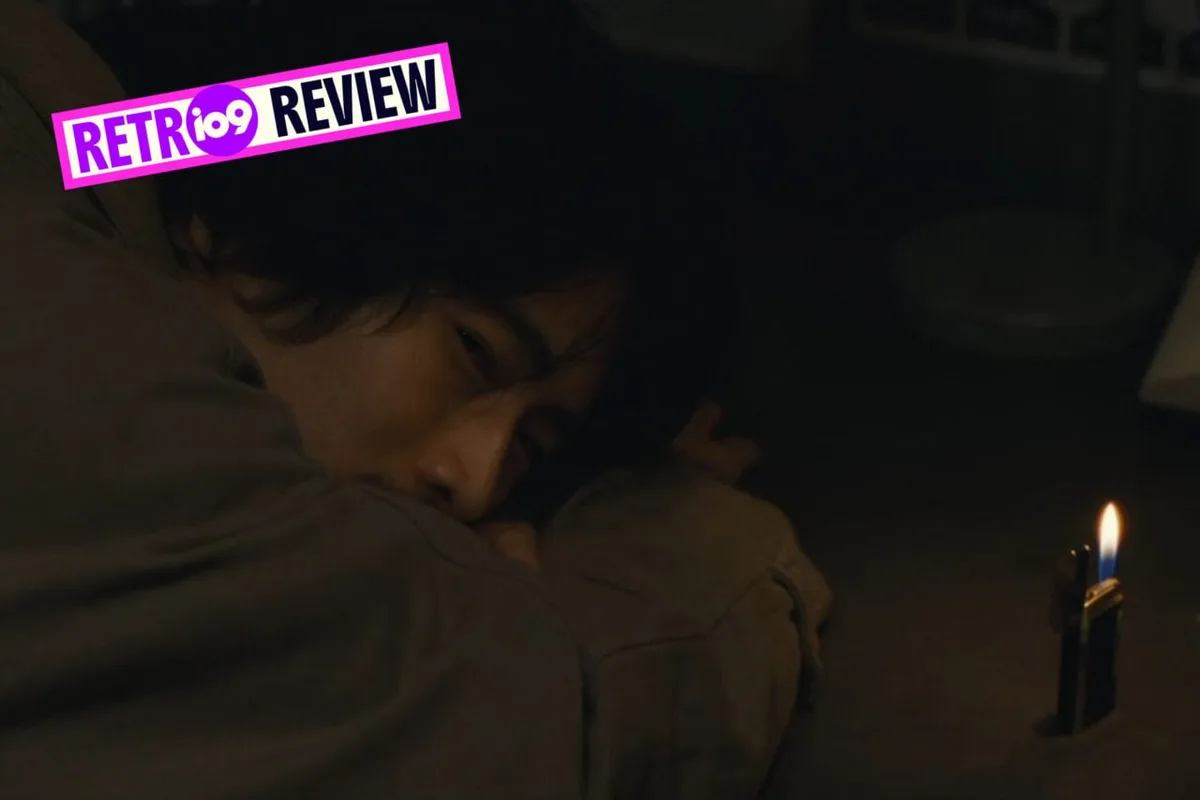
I doubt Kiyoshi Kurosawa realized when he released Cure in 1997 that he had forever changed cinema. Yet its operatic convergence of career-defining performances, crisp cinematography, and an oppressively haunting story is exactly what makes it a timeless gem, forever serving as a benchmark to measure the mettle of films.
On paper, Cure ‘s story doesn’t do anything out of the box compared to the yarns writer-directors—Kiyoshi included—have spun before. A guy thrown into a case that slips into the supernatural is as recognizable in horror and crime cinema as a crucifix in the wild. Its tale follows Takabe (Koji Yakusho), an exasperated detective with too much going on at home with his missus, Fumie (Anna Nakagawa).
On top of his bubbling frustration with making accommodations for his wife’s schizophrenia, Takabe is tasked with solving a bewildering string of grotesque murders where the perpetrators don’t remember committing a thing. And when I say grotesque, I’m talking practical makeup effects that had me asking how the hell he even did that while recoiling into my couch at the sight of its glints of body horror. Not satisfied with the notion that “the devil made them do it,” Takabe considers something not of this world being at play. All roads lead Takabe to Mamiya (Masato Hagiwara), the enigmatic epicenter of his discontent, who pedantically plays in his face and threatens to push Takabe into a mesmerizingly similar bout of insanity.
What makes Cure such an undeniable film in the pantheon of horror is that it’s so attuned to how deeply uncomfortable and unnerving it is to watch, and it delights in long takes that let its tension marinate, with its actors absolutely chewing the scenery. The sheer magnitude of Yakusho and Hagiwara’s performances puts the film on a caustic collision course, compelling you to check the dark corners of your room to make sure the supernatural elements at play don’t spill from your screen into your living room. The heart of their dynamic can be summed up as an otherwise laughable one between a parent at the edge of their patience and a petulant child pushing their luck, throwing questions back at them instead of deigning to give them a straight answer to why they did a bad thing.
Granted, that bad thing is compelling folks to gruesomely eviscerate random citizens and leave behind an “X” on their throats. Even when all the pledge, turn, and prestige of how Miyami has been wreaking havoc through uniquely mesmerizing supernatural flutters are revealed, their lampoonish, verging-on-anachronism dynamic pushes the film’s tension to meteoric levels that linger long after its credits roll.
And that’s not even mentioning the stolen valor of Miyami not being recognized as one of the founding fathers of charismatic horror icons donning comfy, high-thread-count sweaters .
Kurosawa has made a career out of making interesting films, the likes of which include the equally creepy internet-laden Pulse and the feudal whodunnit The Samurai and the Prisoner .
5News aggregated this summary from the outlet’s public feed. The full article, with all the context, is on gizmodo.com — the content belongs to Gizmodo.