Moderna’s and Merck’s personalized mRNA vaccine shows real promise against deadly skin cancer melanoma in late stage trial and sends stocks soaring
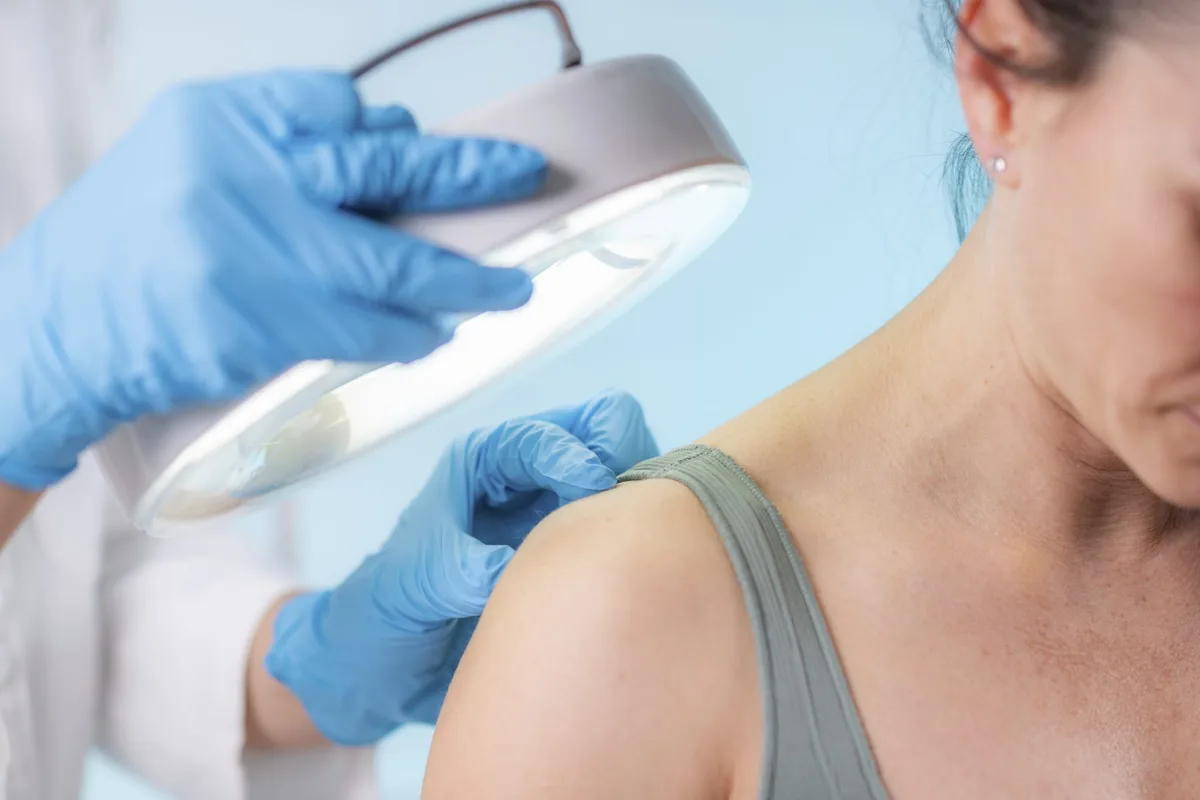
Moderna and Merck said Wednesday their personalized mRNA cancer vaccine met its main goals in a Phase 3 trial targeting melanoma, marking the first time a therapy of its kind has succeeded at that stage of testing.
The news sent Moderna’s stock up more than 100% and lifted Merck shares as well, as investors bet on a new era for a company long defined by its Covid-19 vaccine.
The companies’ vaccine, called intismeran autogene, is built from a sample of a patient’s own tumor.
It is designed to teach the immune system to recognize the specific mutations in that person’s cancer.
In the trial, patients with high-risk melanoma, one of the deadliest forms of skin cancer, who had already had their tumors surgically removed received either the vaccine plus Merck’s immunotherapy Keytruda, or Keytruda alone.
The trial included 1,137 patients with high-risk melanoma, cases in which the cancer had grown deep or spread to nearby lymph nodes, or in some cases, to other parts of the body.
All of them had already had their tumors removed by surgery before enrolling.
Patients who got the vaccine alongside Keytruda went longer without their cancer coming back or spreading than those who got Keytruda alone, meeting the trial’s two main goals.
The companies haven’t released the exact numbers behind that improvement yet, saying only in press releases on Wednesday the results were “statistically significant and clinically meaningful.” They plan to share full data at an upcoming medical conference and bring the results to regulators.
The readout builds on earlier data from the same drug combination, which showed a 49% reduction in the risk of recurrence or death and a 59% reduction in the risk of distant metastasis or death, compared with Keytruda alone.
Merck referenced those figures directly in Wednesday’s release.
Fortune has previously covered how personalized cancer vaccines like this one work , and Moderna CEO Stéphane Bancel discussed the melanoma data’s earlier stages in an interview with Fortune last year.
Dr.
Danish Nagda, an otolaryngologist who has treated head and neck melanoma patients and is founder and CEO of the healthcare startup Rezilient Health, told Fortune just how big this news is.
5News aggregated this summary from the outlet’s public feed. The full article, with all the context, is on fortune.com — the content belongs to Fortune.