Why AI Watermarks and Detectors Could Backfire
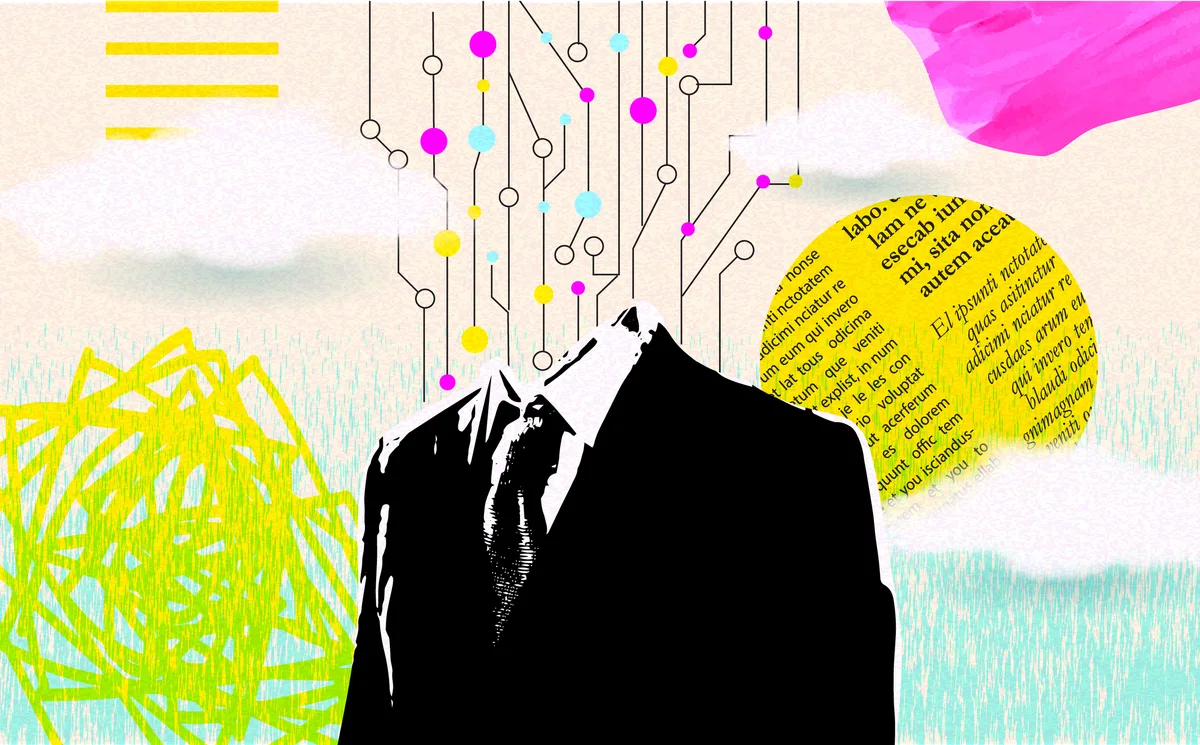
—JDawnInk—Getty Images Claude now watermarks AI-generated text to comply with European Union transparency rules.
OpenAI and Google add invisible fingerprints to AI-generated images.
And Substack is touting a feature that scans pieces for signs of AI.
Will we finally be able to tell what’s real on the Internet? My take: not even close.
In fact, AI watermarks and detectors may leave us worse off by creating a false sense of confidence in content marked as genuine.
Watermarks and detectors are gaining traction as we lose our ability to trust our senses online.
Look up the Will Smith eating spaghetti test , and you’ll see just how far AI has come.
A 2023 AI-generated video shows the actor slurping spaghetti, face distorted, in a way that breaks physics.
By 2025, AI was producing lifelike renditions.
Deepfakes are so good that experts recommend families develop secret codewords to identify one another.
“But I know a fake when I see it,” someone might say.
Unfortunately, research consistently shows that you do not.
This can feel especially hard to accept given the abundance of AI slop rocketing around the Internet.
You may even start to think you can sniff out offending content.
5News aggregated this summary from the outlet’s public feed. The full article, with all the context, is on time.com — the content belongs to TIME.