Fed's Warsh under pressure to clarify message in highly anticipated Jackson Hole speech
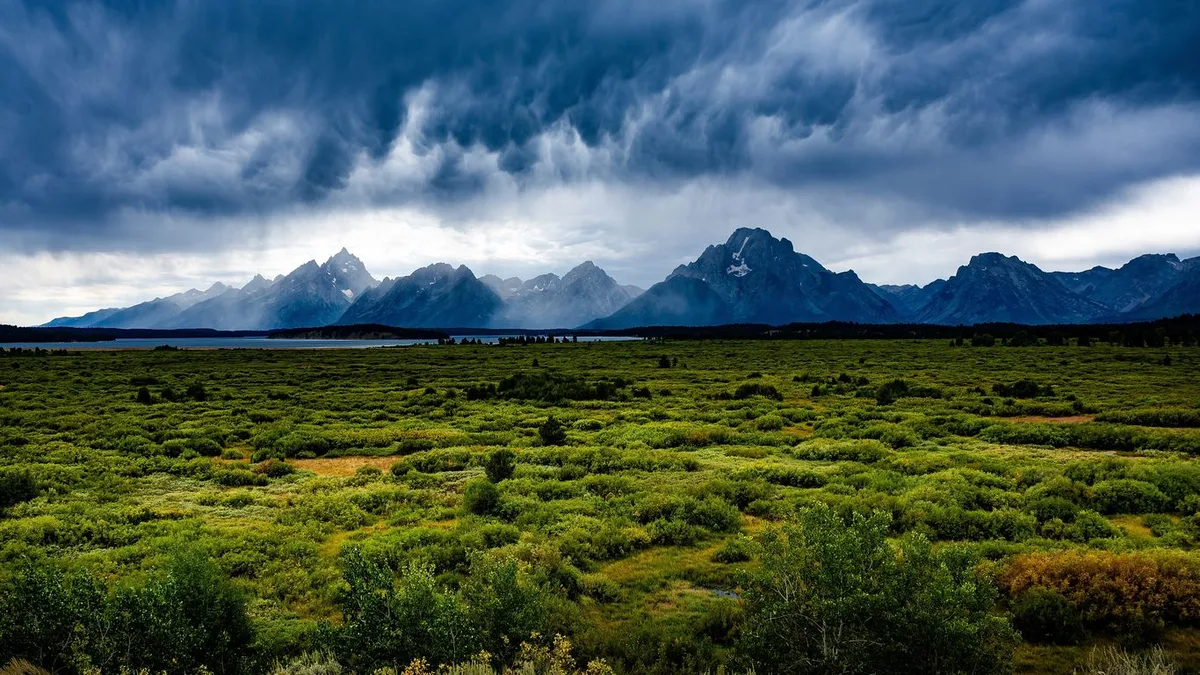
Federal Reserve chairman Kevin Warsh made clear four weeks ago that he wants to use his speech at the Kansas City Fed's annual symposium in Jackson Hole, Wyoming, to take on big, lofty ideas, as opposed to the tactical details of what the Fed may do in this year's three remaining policy meetings.
Events have not cooperated.
The big picture: Warsh is under intense pressure to give a clearer message Friday at 10am ET than he has so far on the current inflation landscape, the prospects for near-term interest rate increases and the relationship between the Fed and the Treasury.
Markets are skittish, the Treasury has undertaken controversial interventions in bond and currency markets, and investors have grown restless with Warsh's tendency toward vague, high-altitude rhetoric about his policy approach.
Flashback: Traditionally, the Fed chair uses the Jackson Hole speech to deliver a particularly important and long-range message — a notion that Warsh has endorsed.
"If I could, in the high mountain air in Jackson, Wyoming, I'd like to also frame the big questions," Warsh said at a press conference in late July.
"There is a tendency, especially with the proliferation of meetings and press conferences, to get caught up in the myopic: 'Did you do this by a quarter, or do that?'" Reality check: It will be hard for him to stay so high-altitude in light of the extraordinary cross-pressures visible in markets since then.
After that July meeting of the Federal Open Market Committee, the bond market sold off, sending long-term rates soaring.
Commentators complained that Warsh seemed unwilling to back his promises of price stability with a message of what steps the Fed might take to achieve it.
The U.S.
Treasury has twice intervened in global markets, first using a Fed facility to help prop up the Japanese yen and then acting to support the prices of long-term Treasury bonds.
It all raises serious questions about the Fed's willingness to raise interest rates if needed to keep inflation in check and its role in cooperating with the Treasury on future interventions in global bond and currency markets.
What they're saying: "To regain market confidence we think Warsh will have to bluntly state that the FOMC will raise policy rates if inflation as measured by core PCE does not move steadily downwards," Steve Englander and John Davies at Standard Chartered Bank wrote in a note.
Between the lines: Warsh is determined not to offer "forward guidance" about future Fed moves, which is well and good, but economists and traders are thirsting for more concrete engagement with some of the essential debates of this moment.
5News aggregated this summary from the outlet’s public feed. The full article, with all the context, is on www.axios.com — the content belongs to Axios.