We co-led the UN’s dialogue on safe and secure AI. Here’s what needs to happen now
Over the past week, AI’s own builders have sounded the alarm.
Several of the industry’s leading CEOs are now publicly calling for a slower pace of AI development, citing risks from loss of control to cyberattacks to bioterrorism.
That news came days after Bank of England Governor Andrew Bailey, chairing the Financial Stability Board, told G20 finance ministers and central bankers that today’s already shaky global financial system faces a new threat in AI.
With so many institutions now depending on the same handful of AI models and cloud providers, one exploited weakness can spread rapidly.
We receive these warnings with wariness, but not with surprise.
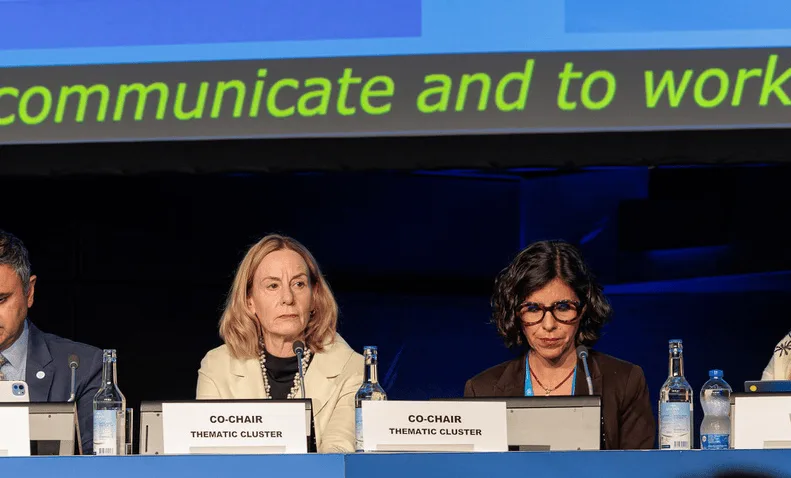
As co-leads for safe, secure and trustworthy AI at the first UN Global Dialogue on AI Governance in Geneva this past July, we agree that the world needs common rules.
New AI systems should only be released after being independently tested against agreed thresholds of what they can do.
Developers should publish their safety protocols, and any incidents that arise after deployment should be clearly monitored and reported.
Geneva was an important first step toward coordinated AI governance, one that handed us the roadmap.
In a year of widening fault lines around trade, security, and power, 170 countries managed to come together alongside industry and civil society to find some common ground on mechanisms to begin governing this fast-moving technology.
Appreciating the constraints of working at the UN level, there are “no regret” actions, steps that carry no downside, that the UN could take immediately.
First, connect the dots between science and policy.
Right now, the scientists studying AI’s risks and the diplomats negotiating what to do about them are working on separate tracks, with no structured way to talk to one another.
The UN’s Independent International Scientific Panel on AI presented its first evidence-based assessment in Geneva.
5News aggregated this summary from the outlet’s public feed. The full article, with all the context, is on fortune.com — the content belongs to Fortune.