What Living Through the Hottest July Ever Looked Like Across the U.S.
This July was the hottest month ever recorded in United States history.
Last month’s average temperature was 3.3°F (1.8°C) higher than the 20th century average for the contiguous United States, according to new data from the National Oceanic and Atmospheric Administration.
This was the warmest July —and warmest month—in the 132-year record, 0.1–0.2°F warmer than the previous records seen during the Dust Bowl in July 1936 and in July 2012.
The reality of this extreme heat was experienced through three separate heat dome events, with several states, including Idaho, Utah, and Montana setting all time temperature records on July 12.
Salt Lake City, UT, saw temperatures reach 109°F, while in Montana, Billings saw temperatures reach 111°F and Miles City 115°F.
Wyoming recorded its warmest July and warmest month on record.
Extreme heat wasn’t the only notable climate event Americans were dealing with.
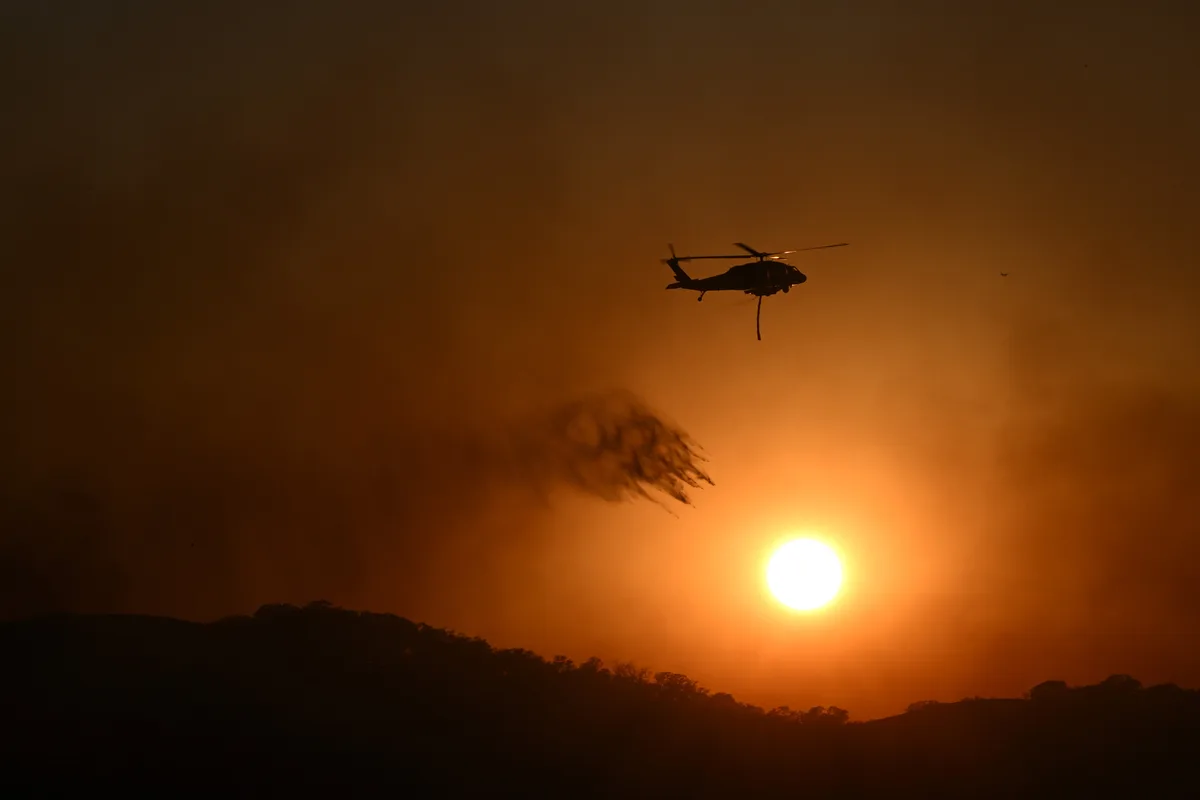
Wildfires in eastern Oregon burned through 140,000 acres, forcing thousands of residents to evacuate.
Federal fire resources were stretched thin as other fires burned in Colorado, Washington, and beyond.
The smoke from the blazes, coupled with fires in neighboring Canada, worsened air quality for millions across the country.
By mid-July, Chicago was reporting the worst air quality in the world .
Though the month ranked as the third driest July of the 132-year record, with about 48.5% of the contiguous U.S. in drought, mid-month flash floods in Central Texas along the Guadalupe River brought over 28 inches of rainfall.
The floods killed two people in the same area which saw catastrophic flooding over last year’s July 4th weekend.
The month showed just how varied the impacts of climate change can be.
5News aggregated this summary from the outlet’s public feed. The full article, with all the context, is on time.com — the content belongs to TIME.