Talking to a bot might feel good in the moment, but a growing body of research suggests it won’t cure loneliness
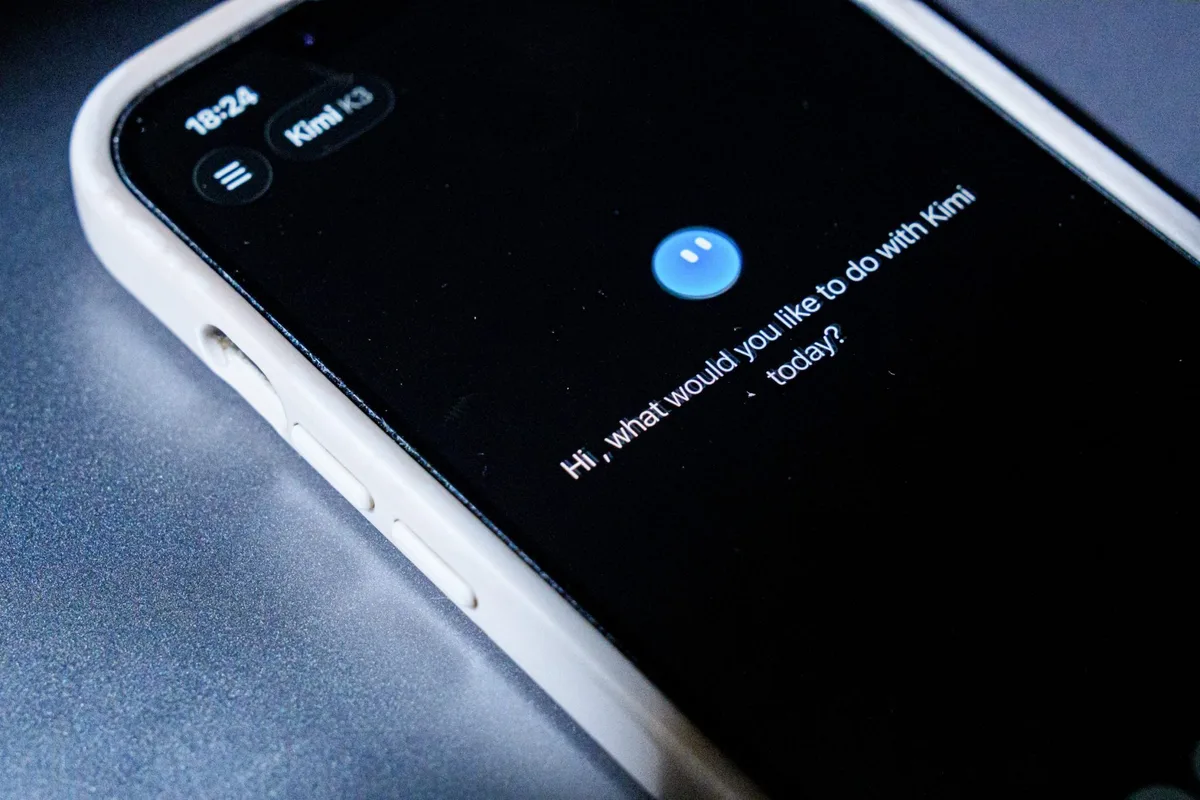
Talking to a chatbot might make you feel better about the conversation, but it may also leave you feeling lonelier.
That’s the finding of a new experiment out of Munich-based global economic research network CESifo, which tracked more than 12,000 French adults over the course of four weeks, and found having conversations with sometimes sycophantic AI chatbots left people thinking the conversation went better than it would have otherwise gone with a human.
For 28 days, half of the 12,365 people in the study were tasked with holding personal conversations with AI chatbots, while the rest went about their normal days.
At the end of the month, the three researchers found the group that was typing their personal narratives with chatbots rated the “conversations” as enjoyable and even more pleasant, on average, than the control group.
However, the same group also self-reported their loneliness rose, just as their life satisfaction fell, and depressive affect ticked up, in comparison to the control group.
They also had more meals alone and spent less time in-person with friends and family per week.
“I would imagine that in some cases an AI conversation may reinforce grievances or prolong rumination, leaving someone slightly less inclined to go out, call somebody, or have dinner with another person,” Louis Fréget, one of the three researchers behind the experiment, told Fortune.
The working paper is one of the largest causal tests yet of a proposal tech leaders have been making—that AI chatbots can help with the loneliness epidemic.
Meta’s CEO Mark Zuckerberg has argued that most people want more social connection and that chatbots could help, and a KPMG survey found that 99% of professionals surveyed were interested in a chatbot that could become a close friend at work.
Technology takes on the loneliness epidemic The format of the interaction also matters, since interacting with an AI interface doesn’t feel as fulfilling because it doesn’t know the person the way another human would, according to Nicholas Epley, a University of Chicago behavioral scientist who studies social connection.
“The data here suggests that having a conversation with a chatbot doesn’t get that sense of being known by another person like you get in a conversation, and therefore also doesn’t create any meaningful sense of connection because, in the end, there’s nothing there,” Epley said This is an ongoing debate, with researchers, workers, and users landing in very different places.
One loneliness researcher warned that AI is about to make the epidemic worse , pointing to a study where first-year college students who texted daily with a chatbot built to act like an “ideal friend” showed no drop in loneliness — while those paired with a random human peer did.
5News aggregated this summary from the outlet’s public feed. The full article, with all the context, is on fortune.com — the content belongs to Fortune.