How Trump’s Policies Are Testing Farmers’ Loyalty Ahead of Midterms
U.S.
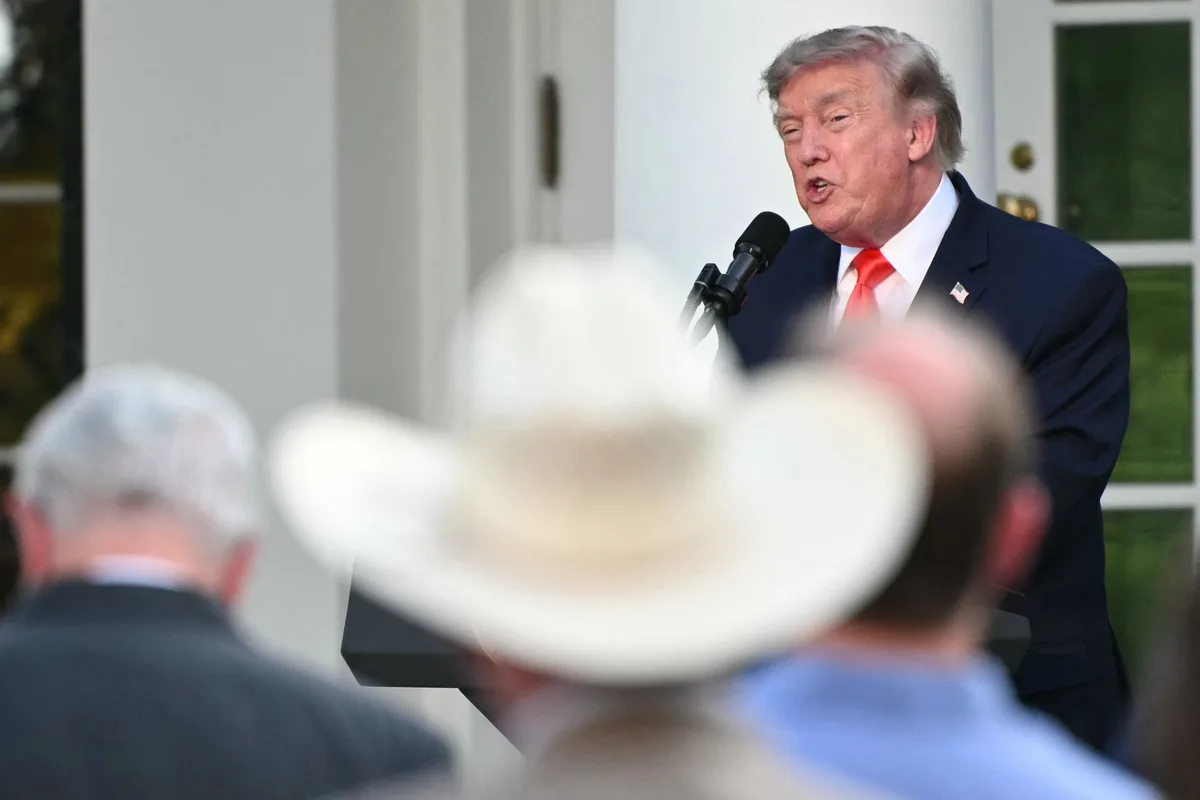
President Donald Trump speaks during an event with American farmers at the White House on June 25, 2026. —Mandel Ngan—Getty Images Rising diesel and fertilizer costs, coupled with President Donald Trump ’s shifting tariff policies, have made it harder for Oklahoma farmer Brent Rendel to plan future crops.
Over the past few months, he says, the political mood among fellow farmers—traditionally some of the President’s most reliable supporters—has begun to shift.
“From my discussions with other farmers, there is a higher level of dissatisfaction with what's going on with the [Trump] Administration,” says Rendel.
“You didn't used to really see that, but now we're seeing it and hearing it.” That dissatisfaction could pose a political problem for Trump and Republicans ahead of the pivotal midterm elections .
Trump won 69% of the rural vote in 2024, but an AP-KFF poll, conducted in August, found that 57% of rural voters disapprove of Trump’s handling of the economy.
Among rural Republican voters, around one-quarter (27%) disapproved of his handling of the economy—and that group was "substantially less likely" than those who approved to say they were certain to vote in November.
Three-quarters of rural voters described the cost of living in their communities as “fair” or “poor.” A Reuters/Ipsos poll , conducted in June, had already put Trump's approval rating among rural Americans dropped at a new low of 50%, with just 31% approving of his handling of economic issues.
The findings come as Democrats poll competitively in some traditionally Republican states such as Texas, Iowa, and Kansas.
Democratic leaders are also addressing farmers' economic frustrations in their policy proposals.
Senate Minority Leader Chuck Schumer and Sen.
Amy Klobuchar, ranking member of the Senate Agriculture Committee, last month unveiled a bill intended to lay the groundwork for “America’s first-ever fertilizer reserve.” American farmers are “getting crushed from all sides by this Administration,” Schumer said as he introduced the Strategic Fertilizer Reserve Act with endorsements from the National Farmers Union and New York Farm Bureau.
Farmers and agricultural experts interviewed by TIME described four overlapping pressures: Trump’s expansion of low-tariff beef imports, rising fertilizer and diesel costs stemming from a global energy crisis triggered by the Iran war, and tariffs that have increased some production costs while provoking retaliation against American exports.
The impact has been felt by consumers, who have seen a steady climb in grocery prices .
5News aggregated this summary from the outlet’s public feed. The full article, with all the context, is on time.com — the content belongs to TIME.