Electric mobility brings Africa’s energy transition into the wild
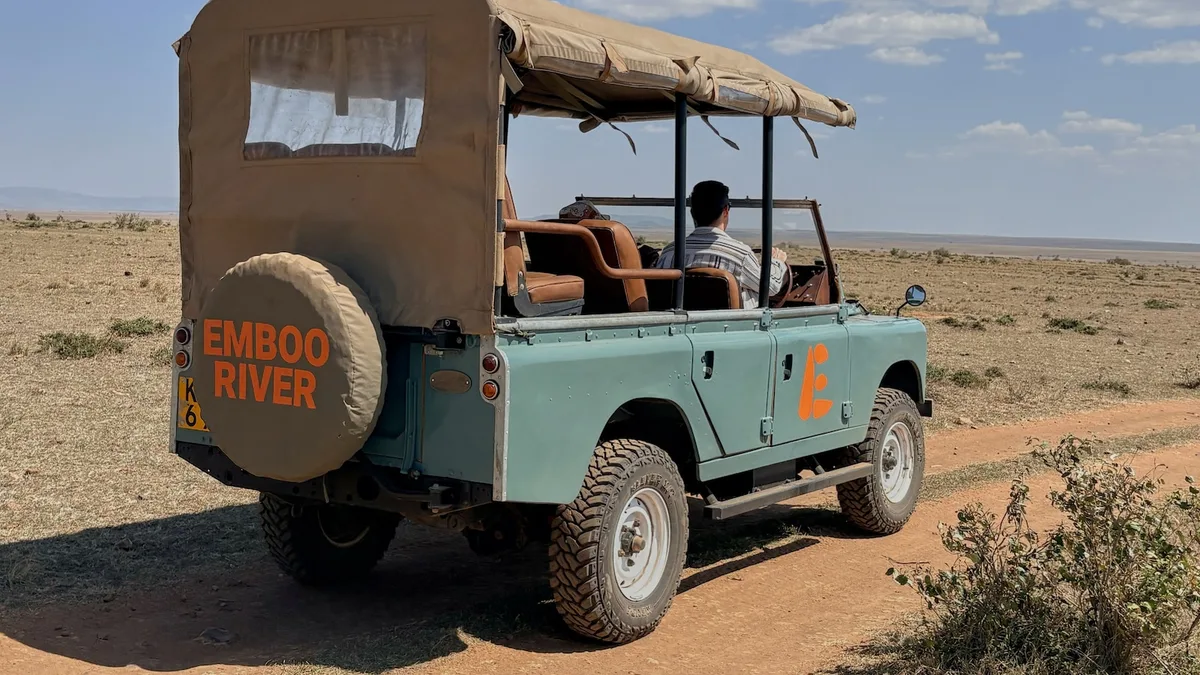
Electric motorcycles are bringing Africa’s energy transition into Kenya’s Maasai Mara game reserve, where rangers are using solar-charged bikes to patrol wildlife areas more quietly, and to pursue suspected poachers
MAASAI MARA, Kenya -- Joshua Kijape eases his motorcycle through the tall grass, listening for movement in the bush. There is no engine rumble, no exhaust and little warning for anything ahead.
That is exactly how the Mara-Siana ranger, attached to Entumoto Safari Camp in Kenya’s Maasai Mara game reserve, wants it.
For the past year, Kijape has patrolled the Mara on an electric motorcycle, using its near-silent motor to approach wildlife and, when necessary, poachers.
“With this bike, I can get closer to the animals without disturbing them,” he said. “And when you are following poachers, they cannot hear you coming.”
The electric motorcycle is part of a growing effort to bring Africa’s energy transition into wildlife reserves, replacing petrol-powered transport with vehicles charged by the sun. In the Maasai Mara, conservation operators are testing whether electric mobility can reduce fuel use and maintenance costs while limiting noise in one of Africa’s most important ecosystems.
The move comes during one of the Mara’s busiest periods, when the annual wildebeest migration draws huge numbers of animals, tourists and conservation teams onto the grasslands.
Jason Knauf, CEO of the BBC program The Earthshot Prize, said the development shows how the energy transition is reaching places far beyond conventional urban transport.
“Seeing electric vehicles reach the Maasai Mara during the Great Migration is powerful proof that the energy transition extends far beyond cities,” Knauf said. “The Mara is one of the world’s most demanding environments, and if clean technology can prove reliable, affordable and effective there, it strengthens the case for scaling it across other conservation landscapes and remote communities,” Knauf said.
For ROAM, the Nairobi-based electric motorcycle company behind Kijape’s bike, the Mara is an engineering test of whether an e-bike built in Kenya can handle rough tracks, long patrols and remote conditions.
“Nature is worth protecting, so we think it’s important to put our motorcycles and products out there,” said ROAM CEO Filip Lovstrom. “By eliminating noise associated with petrol bikes, it creates a serene, quiet environment that is beneficial to both the animals and tourists.”
Lovstrom said economics could ultimately drive wider adoption of this approach.
“Instead of shipping petrol all the way from the port of Mombasa out into nature to fuel a bunch of petrol motorcycles, you’re now able to charge them using solar, right where you are contributing positively to the environment,” he said.
ROAM’s e-bike can travel about 160 kilometers (100 miles) between charges, but longer patrols will require charging stations along the route. Because the bikes can plug into a standard 10-amp socket, Lovstrom said, stations can be built around relatively small solar and battery systems.
5News aggregated this summary from the outlet’s public feed. The full article, with all the context, is on abcnews.go.com — the content belongs to ABC News Technology.