Philanthropy Must Build the Architecture of Hope
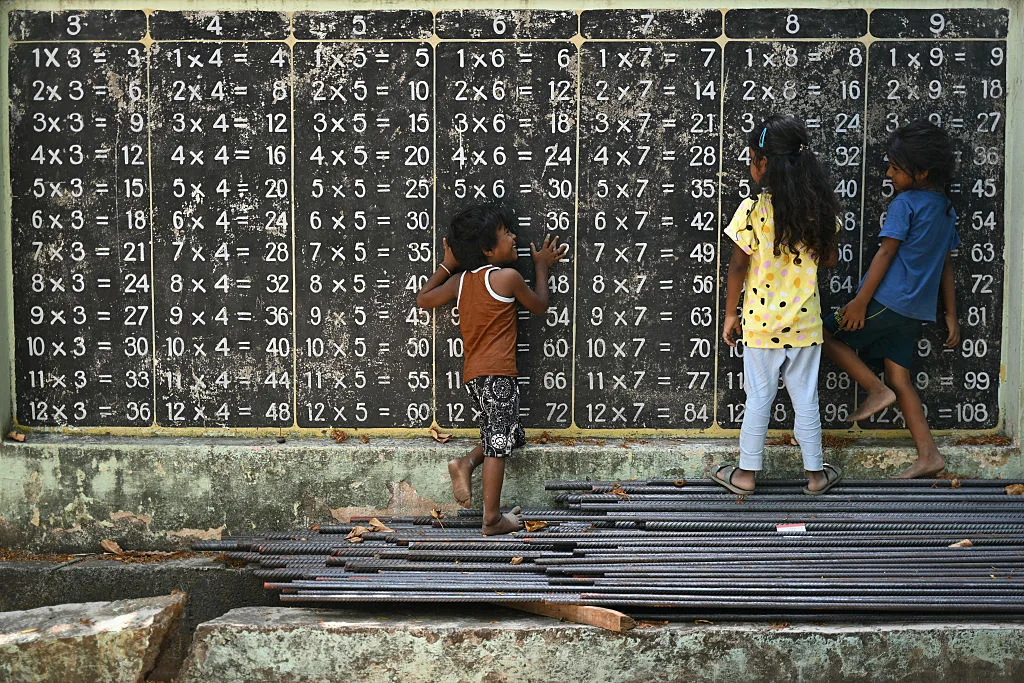
Children play at a polling station at a school in Chennai, India, on April 23, 2026. —R.Satish BABU-AFP-Getty Images I grew up in a middle class family in Mumbai, where my parents taught us the importance of giving back.
Our success, they insisted, was meaningful only if it helped others rise.
As a girl, I spent most Sundays accompanying my father as he distributed food to those in need.
As a young teacher at an elementary school , I learned that the greatest gift a teacher offers is not knowledge itself but the confidence and capabilities it awakens in a child.
And, as a mother, I experienced most profoundly that there is no greater joy than nurturing another life.
Mahatma Gandhi taught us that service to others is among life’s highest forms of fulfilment.
His ideas have shaped me and my ideas of philanthropy profoundly: sarvodaya , his vision of the welfare of all, and, antyodaya , his insistence on the uplift of society’s most marginalized.
But the highest purpose of philanthropy is to make itself obsolete.
To do that, we must turn acts of care and generosity into lasting change by building institutions.
Societies shape the future through the institutions they build: universities, hospitals, museums, scientific laboratories, and schools.
Every generation has a responsibility to pass on stronger institutions to the next.
Our world is awash in plenty.
Yet roughly between two to three billion people, especially in the Global South, remain deprived of nutritious food, adequate housing, clean water and sanitation, quality education and healthcare, secure livelihoods, and protection from environmental hazards.
The primary responsibility for meeting these needs rests with governments, multilateral institutions, and businesses.
5News aggregated this summary from the outlet’s public feed. The full article, with all the context, is on time.com — the content belongs to TIME.