NASA's doomed Swift space telescope restarts science work after rescue mission fails
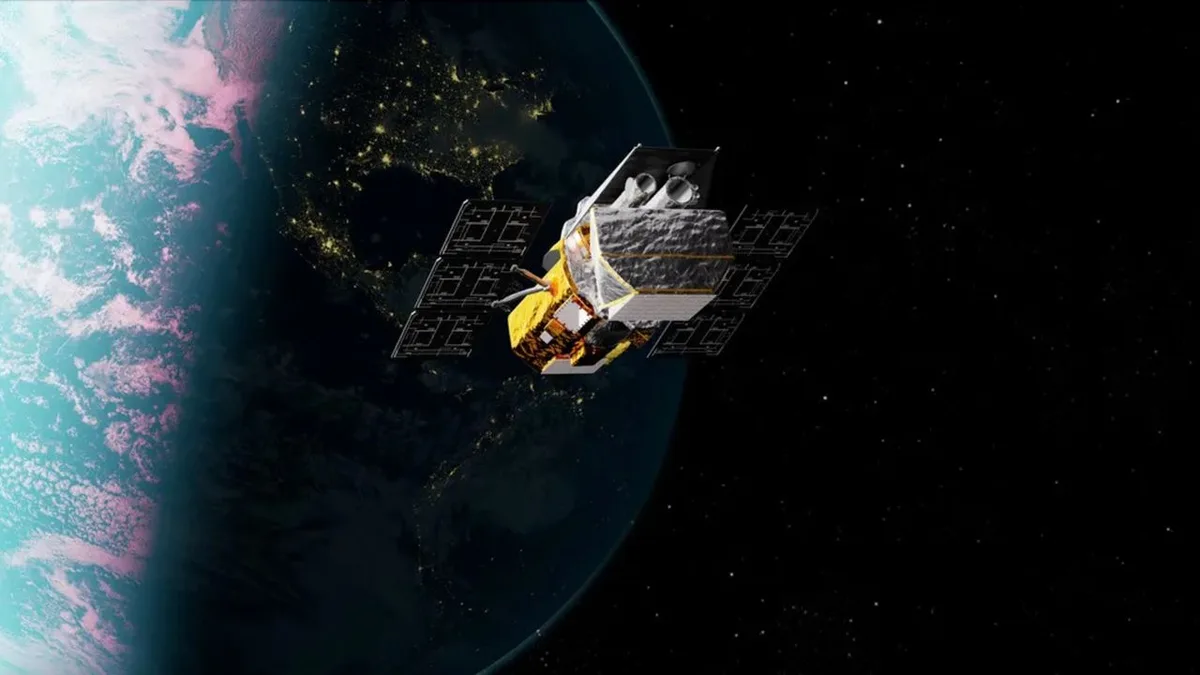
NASA's Neil Gehrels Swift Observatory is back to studying the universe after spending months in a low-drag configuration while awaiting an orbital rescue mission that ultimately fell short.
Mission controllers restarted two of Swift's three science instruments — its X-ray Telescope (XRT) and Ultraviolet/Optical Telescope (UVOT) — on Aug.
26.
Both instruments had been shut down in February as part of an effort to minimize atmospheric drag and keep the aging spacecraft in orbit long enough for another spacecraft to reach and boost it to a higher altitude, according to an Aug.
28 statement from NASA.
Swift's third instrument, the Burst Alert Telescope (BAT), remains offline.
Operations of the BAT were halted in April to conserve power, allowing controllers to position Swift's solar panels in a way that further reduced drag from its interaction with Earth's atmosphere .
NASA says the mission team hopes to resume data collection with the instrument within the next few weeks.
"Over the last 21 years, Swift has been NASA's multitool for studying the cosmos ," NASA officials said in the statement.
"It observes a wide range of light, rapidly points at short-lived outbursts, and sends alerts to other facilities in space and on the ground to help coordinate follow-up observations." The return to science follows NASA's decision to abandon plans to boost Swift's orbit using LINK, a robotic servicing spacecraft built by the Arizona company Katalyst Space.
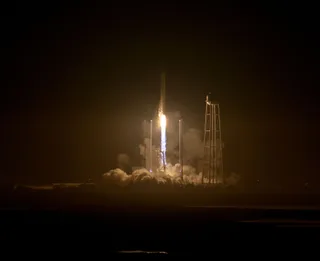
LINK launched July 3 aboard a Northrop Grumman Pegasus XL rocket with the ambitious goal of rendezvousing with Swift, grabbing the observatory and raising its orbit.
However, the rescue mission encountered trouble in late July when LINK developed attitude-control problems that caused it to spin and disrupted communications.
Two of the spacecraft's three reaction wheels were found to be inoperable, while its cold-gas thruster system also experienced some loss of functionality.
Although engineers managed to reduce LINK's spin and regain attitude control, NASA and Katalyst announced Aug.
5News aggregated this summary from the outlet’s public feed. The full article, with all the context, is on www.space.com — the content belongs to Space.com.