The difference between Shot with IMAX and Filmed for IMAX
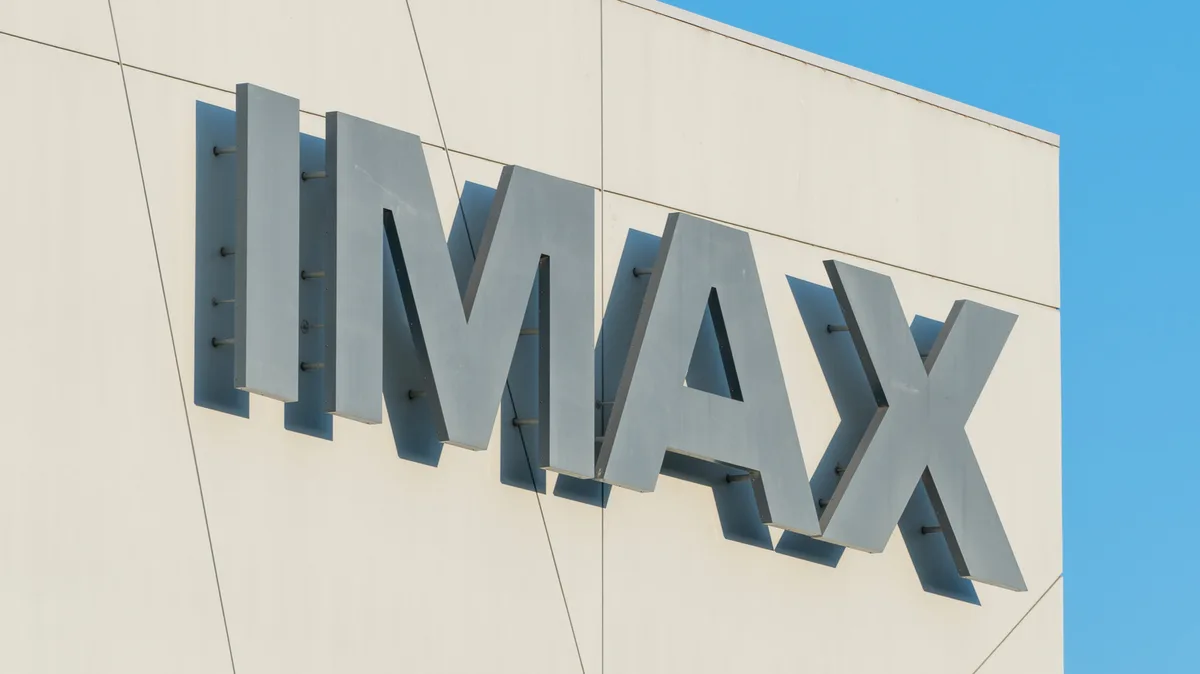
A movie can be both “Filmed for IMAX” and shot with IMAX cameras, which is why the two labels are easy to confuse.
A "Filmed for IMAX" movie can be shot digitally, as Dune was, but IMAX also includes productions using its own film cameras. Christopher Nolan's The Odyssey shows the overlap: it was shot entirely with IMAX film cameras and is also officially part of the "Filmed for IMAX" program.
Grusho Anna/Shutterstock IMAX's own marketing generally uses the more specific phrase "Shot with IMAX Film Cameras" rather than "Shot with/in IMAX." In this case, the description is literal: filmmakers captured at least some of the movie using IMAX's large-format film cameras.
IMAX film cameras use a 15-perf 65mm format. The 65mm film runs horizontally through the camera, with each frame spanning 15 perforations across the film. That creates the large, tall 1.43:1 image associated with IMAX film, meaning the image is about 1.43 times as wide as it's tall. The camera film is 65mm, while theatrical release prints are 70mm, which is why those screenings are advertised as IMAX 70mm .
A movie doesn't necessarily have to use IMAX cameras for the whole movie to receive the label. Oppenheimer , for example, was shot partly with IMAX film cameras, with those sequences expanding into the taller IMAX image in compatible theaters. The Odyssey goes further: IMAX says it is the first feature shot entirely with IMAX film cameras, helped by a newly-engineered camera enclosure that made synchronized dialogue scenes practical at that scale.
That makes The Odyssey a clear example of what people usually mean when they say a movie was "shot in IMAX": every frame was captured with an IMAX film camera. Seeing it projected from an IMAX 70mm print , however, requires one of the select theaters equipped for that format.
In 2020, IMAX launched a certification program for digital cinema cameras from manufacturers including ARRI, Panavision, RED and Sony. These aren't cameras built by IMAX, but digital cinema cameras approved for use in the "Filmed for IMAX" workflow.
Dune shows how the digital side of the program works. Denis Villeneuve did not shoot the 2021 film on IMAX film cameras. It was captured using IMAX-certified digital cameras, but composed for IMAX presentation. In select theaters, parts of Dune expanded to 1.43:1, showing more of the image above and below than the wider theatrical presentation.
Other "Filmed for IMAX" releases show how much the presentation can vary. F1: The Movie was shot with IMAX-certified digital cameras and presented entirely in the 1.90:1 aspect ratio. Mission: Impossible: The Final Reckoning also used certified cameras, but only certain sequences expanded to 1.90:1 for over 45 minutes. In other words, "Filmed for IMAX" does not guarantee how much of the film will fill the taller screen.
ZikG/Shutterstock A movie being shot with IMAX film cameras doesn't automatically make every IMAX screening the better choice. The format used to capture the movie is only part of what determines the experience in the theater.
What matters next is how the movie is presented at that particular location.
5News aggregated this summary from the outlet’s public feed. The full article, with all the context, is on www.engadget.com — the content belongs to Engadget.