Trump is pulling every lever to reshape U.S. elections
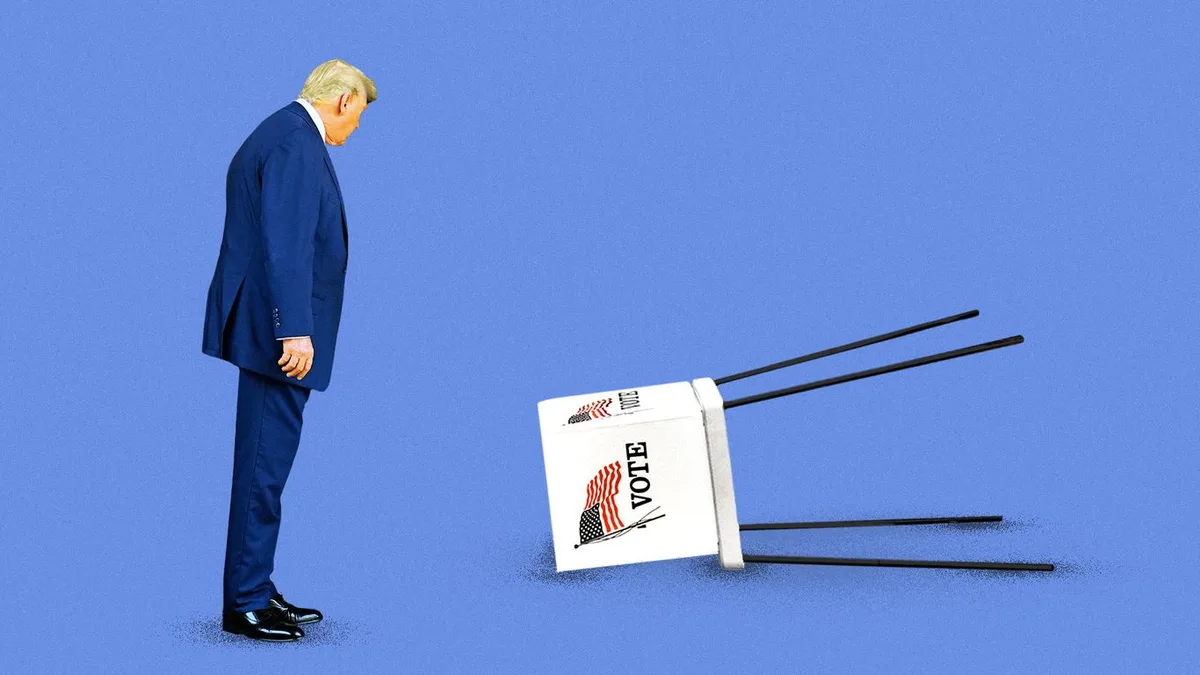
President Trump's playbook for reshaping America's elections targets who appears on voter rolls , how ballots move through the mail , who monitors polling places and where congressional lines are drawn.
The effort leaves virtually no part of the election system untouched.
Why it matters: Voting-rights experts say the churn is designed to sow confusion, deter turnout and undermine trust in elections.
Even measures later blocked in court can create uncertainty and erode trust before Election Day.
Driving the news: A federal judge on Wednesday lifted a nationwide block on the administration's overhaul of the U.S.
Postal Service's role in mail voting, just before states begin sending ballots.
The plan requires states to redesign ballot envelopes and upload voter lists to the Postal Service.
The Postal Service can reject an election office's outgoing ballot mailing if it fails to meet the new preparation and data requirements, forcing officials to correct the issue before resubmitting it.
Twenty-four attorneys general and Pennsylvania Gov.
Josh Shapiro sued Wednesday, arguing the plan would require "Herculean tasks" with "limited resources." The big picture: The mail-voting fight is just the latest front as Trump has used executive orders, federal agencies, Justice Department lawsuits and the bully pulpit to rewrite election rules largely set by the states and Congress.
Andrew Garber, senior counsel with the Brennan Center for Justice, says the president has no constitutional power to set election rules.
"There's really just no room in our system for the president to step in," he says.
What they're saying: "President Trump is not waiting until election day to cast doubt on this election," Molly McGrath, director of national democracy campaigns at the ACLU, tells Axios.
"When you have executive orders issued that are so clearly unconstitutional, part of the intended byproduct of that is the confusion that they create.
5News aggregated this summary from the outlet’s public feed. The full article, with all the context, is on www.axios.com — the content belongs to Axios.