Shoppers find AI agents need a short leash — unless you need 20 pounds of chicken wings
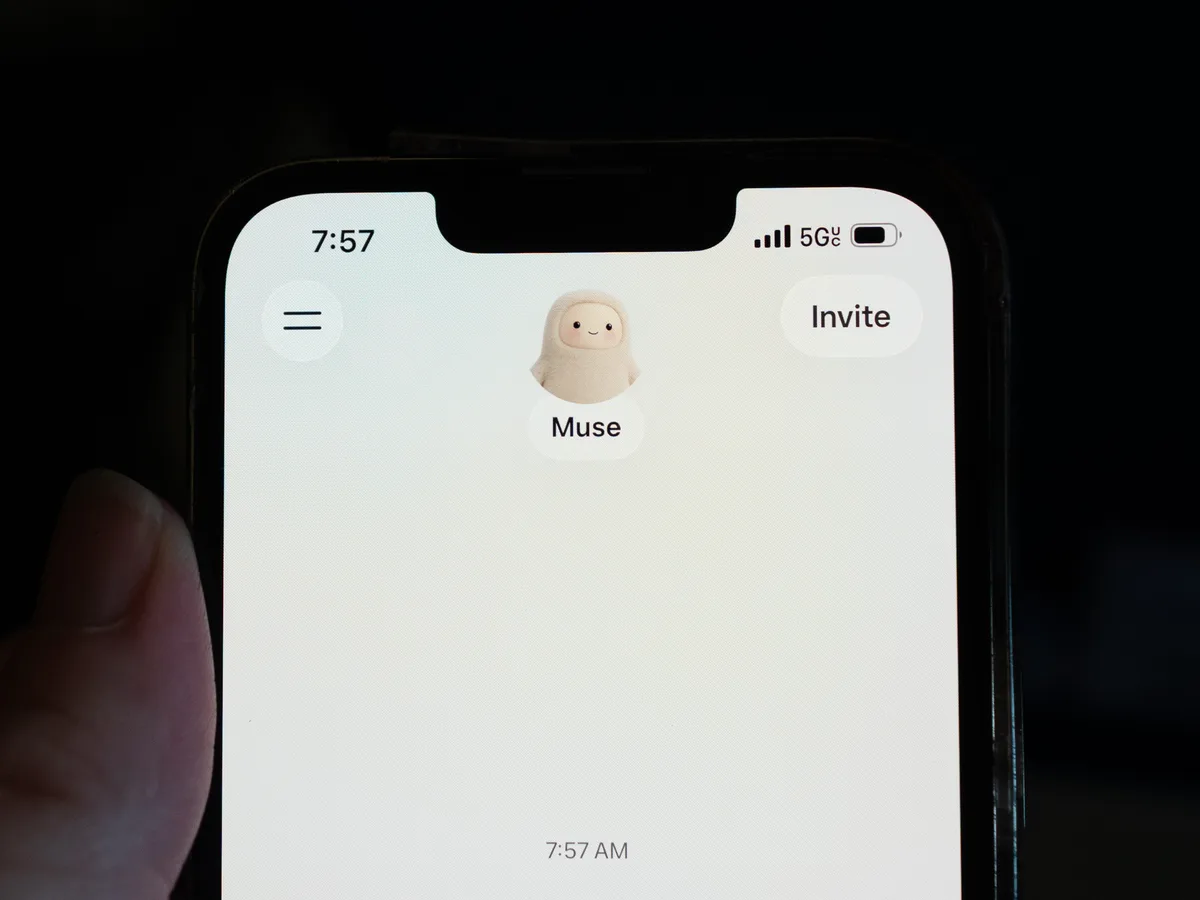
Some shoppers are using AI agents like Instinct and Muse to find and order products for them.
Smith Collection/Gado/Getty Images Shoppers are using AI agents like Muse and Instinct to buy stuff online.
Three users said they're using the agents to monitor flight prices and order groceries.
They also pointed to kinks, such as misunderstandings and paying securely.
AI agents like Instinct and Muse are quickly becoming personal shoppers — and some are finding the tools need to be kept on a short leash.
From finding cheap airline tickets to ordering groceries, three shoppers told Business Insider that they are using the agents to automate parts of their shopping.
Some say the decision has saved them time and found them deals they would not have found on their own.
But even those impressed with AI agents as shopping assistants say they're using them carefully.
Sometimes, the agents order the wrong thing.
In other cases, users say they want to make the purchase themselves, or at least add another layer of security, rather than handing their credit card information directly to AI.
The shoppers' experiences also point to a big question as the holiday shopping season approaches: How much can shoppers delegate, if they want to at all, to AI agents? Plane tickets, ballet shoes, and 20 pounds of chicken wings Austin Welch, who works in finance in Houston, said that he's used Instinct for several kinds of purchases since getting an invite to use the AI agent in late August.
Welch said that he's fed the agent a list of 10 flights that he needs to take over the next six months, asked it to monitor prices, and ping him when it thinks they're cheapest.
Instinct also found him a referral code for a United Airlines-branded credit card with a bigger mile bonus than he could find elsewhere, he said.
He also texts Instinct to order groceries for him, something that has become "really, really useful in my life," he said.
5News aggregated this summary from the outlet’s public feed. The full article, with all the context, is on www.businessinsider.com — the content belongs to Business Insider.