What your HOA may be putting online about you
A scammer doesn't need to hack your homeowners association.
They may only need to look at information your community already makes available.
Meeting minutes, membership records and other association documents can contain details about the people who live in a community.
Depending on the HOA and state law, some records may be available to association members while others could appear on an association website or another online system.
You probably didn't put the information there yourself.
You may have no idea how much someone can learn about you.
Yet a name tied to an address or community can give a scammer useful details for making a call or message sound legitimate.
What your HOA puts online could reveal more about you than you realize.
Here's what to look for and what you can do about it.
THE ONE THING SCAMMERS CHECK BEFORE TARGETING YOU ONLINE Missed CyberGuy LIVE? Watch the Protect Your Money replay Our free CyberGuy LIVE class, Protect Your Money From Today’s Biggest Threats , has ended, but you can still watch the full replay and download our financial protection checklist.
Kurt "CyberGuy" Knutsson walks you through five simple ways to help defend yourself against AI scams, fraud, identity theft and financial hacks.
You’ll learn how to set up bank alerts, strengthen your account logins, protect your phone number, freeze your credit and help secure your retirement savings against unauthorized transfers.
No technical experience is needed.
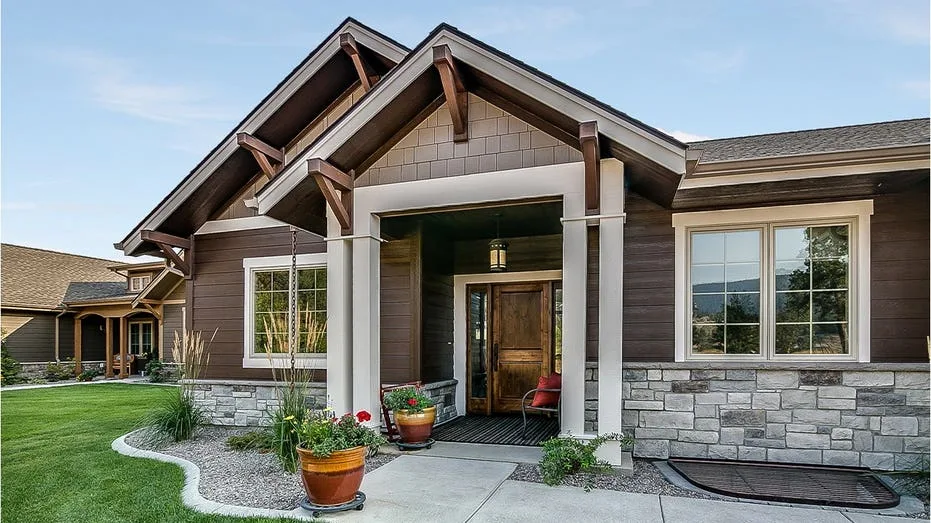
Get the free replay and checklist now at CyberGuyLive.com HOA records can contain details about homeowners, association business and community disputes.
5News aggregated this summary from the outlet’s public feed. The full article, with all the context, is on www.foxnews.com — the content belongs to Fox News Tech.