Meta’s $18 billion settlement leaves out the child protections New Mexico already won at trial, its Attorney General says
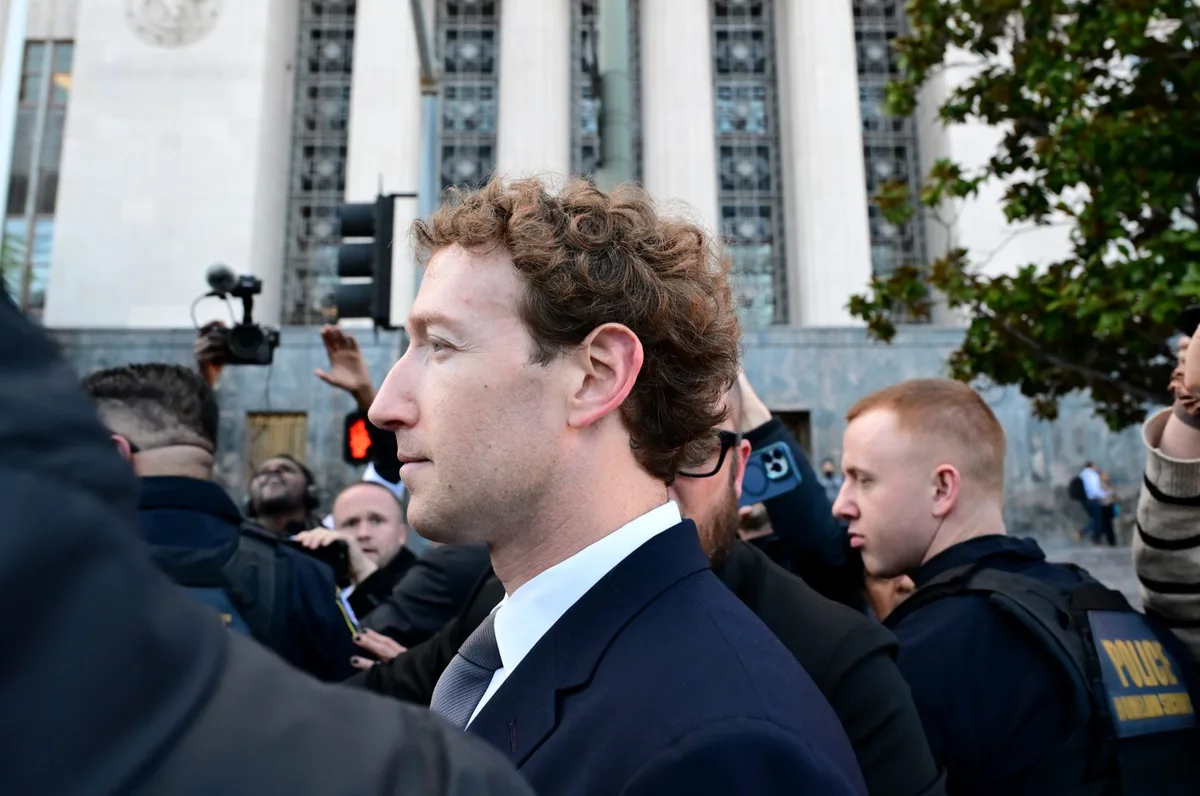
New Mexico Attorney General Raúl Torrez, whose office won the first jury verdict against Meta over child safety anywhere in the country, told Fortune the settlement Meta struck this week with 51 other attorneys general doesn’t go as far as what his state already secured on its own.
“We had hoped a nationwide settlement might echo the full strength of the protections New Mexico secured in court—including a direct ban on romantic and sexualized AI chatbot interactions with minors and stronger safeguards against adults targeting kids in private messages,” Torrez told Fortune .
“But this settlement still represents real progress and adds momentum to finish the job of protecting kids online.” It’s a notable crack in what has otherwise been a unified front.
Torrez is uniquely positioned to make the comparison, since New Mexico is the one place where a court, rather than a settlement, has already decided what Meta owes children.
Torrez’s office won a jury verdict against Meta in March , when a Santa Fe jury found the company liable for 75,000 violations of the state’s consumer protection law and ordered it to pay $375 million in civil penalties.
A judge added another $567 million in August after ruling that Meta had created a “public nuisance” similar to air pollution, bringing New Mexico’s own tally against the company to roughly $942 million—before the state, weeks later, joined the very settlement Torrez now says falls short of what he’d already won.
He still called this week’s deal historic.
“New Mexico was the first state to take Meta to trial over the harm its platforms cause children, and we’re encouraged to see that fight now translate into a nationwide settlement,” Torrez said.
“This is a testament to the attorneys general across the country, from both parties, who came together and refused to let this company off the hook.” Child online safety experts agree Meta agreed to pay up to $18 billion over the next decade and overhaul how Facebook and Instagram work for anyone under 18, settling the lawsuit brought by the 51-state coalition that accused the company of designing its platforms to be addictive to children.
The deal, still subject to court approval, requires a default two-hour daily time limit, a nighttime block between midnight and 6 a.m., muted notifications during the school day, hidden like counts, a ban on cosmetic-surgery and extreme makeup filters, stronger age verification, and an independent auditor to check Meta’s compliance for five years.
California Attorney General Rob Bonta’s office, which led the case, has not yet responded to Fortune ‘s request for comment beyond its public statements.
5News aggregated this summary from the outlet’s public feed. The full article, with all the context, is on fortune.com — the content belongs to Fortune.