Leader of Fat Marmot Week fights the budget cut era: ‘we’re going to be laughing our way down as the Titanic sinks’
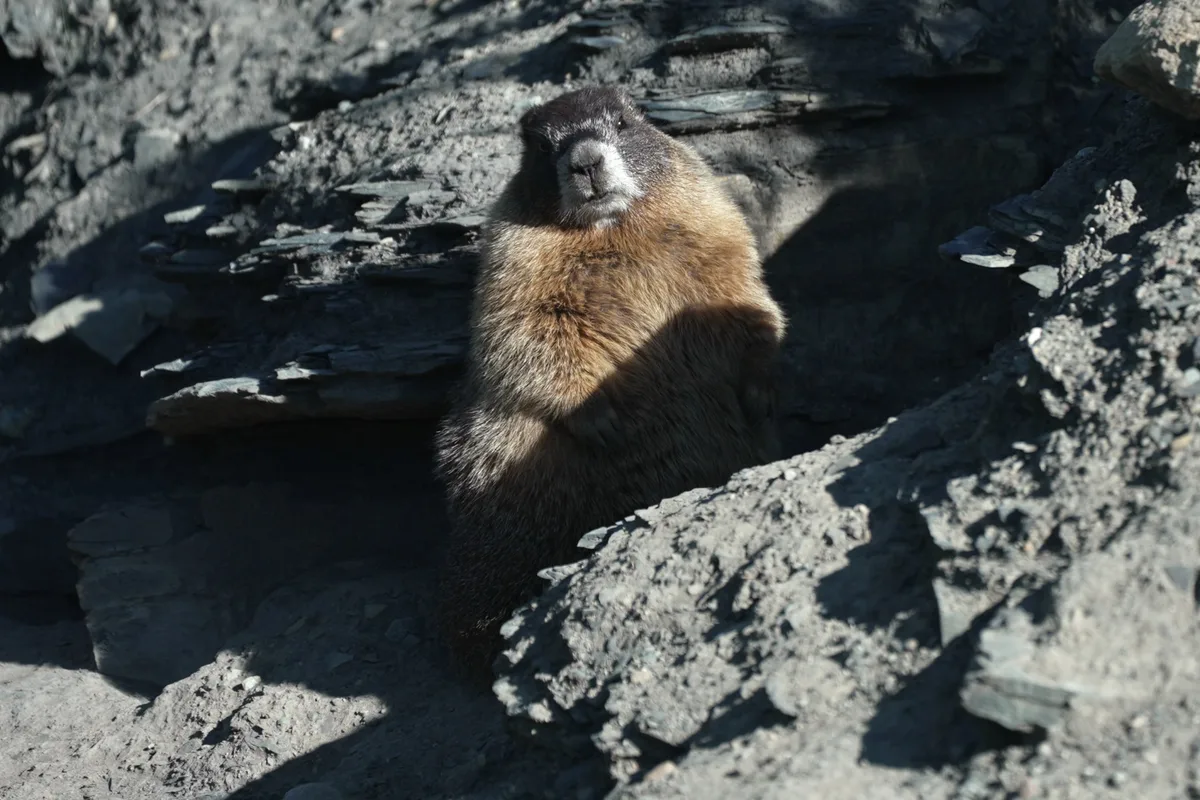
Last winter was tough for marmots living high in the Colorado mountains, where researchers say two-thirds of one population died while hibernating because of insufficient snow cover .
Those that survived are doing well, fattening up in time not just for fall and hibernation season but … drumroll, please … the very first Fat Marmot Week.
Just like Fat Bear Week , an online contest to vote for Alaskan brown bears plumped up for winter, Fat Marmot Week — beginning Monday — is mostly just for fun, but it also has a serious side: Scientists need to drum up donations for their long-running research into the rodents to keep it going through federal funding cuts.
“In some sense, we’re going to be laughing our way down as the Titanic sinks,” said Dan Blumstein, leader of the project launched decades ago at the Rocky Mountain Biological Laboratory in Gothic, Colorado.
“Because what else are you going to do?” But wait.
What’s a marmot? A marmot is a cat-sized, furry ground squirrel that lives in burrows in North America, Europe and Asia.
The 15 or so species worldwide include groundhogs, which have their own special day, Feb.
2, in the U.S. and Canada.
In the Rocky Mountains, yellow-bellied marmots are plentiful.
Hikers often spot these charismatic creatures perched on boulders or scurrying through wildflowers.
Marmots aren’t shy near trails popular with people.
Watch out: A bold one might swipe your snack.
Like people, marmots have personalities and are “flexibly social,” meaning some like to intermingle in colonies of up to 30 animals while others prefer solitude, according to Emily Renkey, a master’s program student at the University of California, Los Angeles.
“We kind of understand these marmots just by looking at them sometimes, because we can kind of tell who’s who just by how they behave and how they interact with one another,” said Katie Adler, a UCLA doctoral student.
5News aggregated this summary from the outlet’s public feed. The full article, with all the context, is on fortune.com — the content belongs to Fortune.