‘Evangelion’ Has Been Deemed Worthy of the Criterion Channel, but Don’t Forget Its Mecha Anime Predecessors
For film fans, a movie being inducted into the Criterion Collection is a mark of some level of quality and notability. Similarly prestigious (if not so exclusive) is the Criterion Channel streaming service , which features a curated, rotating collection of important, influential, or acclaimed films and TV shows. It’s the digital equivalent of when a local video store would have a shelf of Staff Picks—if that weren’t an extremely outdated concept these days.
So it’s an impressive achievement that Hideaki Anno’s Neon Genesis Evangelion is now available on the Criterion Channel in both Japanese and the original English dub—the one you heard when Evangelion aired on Adult Swim 20 years ago and maybe haven’t heard since. That means it’s being presented on the same level as other acclaimed Criterion Channel offerings like Blue Velvet , The Night of the Hunter , and The Umbrellas of Cherbourg . The thing about Criterion, both the Collection and the Channel, is that its handy presentation of prestigious works can seem like a shortcut to an education on appreciating good art, and while Evangelion is certainly good art, it becomes even better when you move past what Criterion is offering and explore the context that the series comes from.
Though Evangelion proudly contains a lot of narrative and thematic juice that its fans and creators have spent decades contemplating (Anno’s End of Evangelion movie and Rebuild of Evangelion remake series are as much about Eva itself as they are about anything else), the series is, at its heart, part of the mecha anime genre. And the most important and iconic work in the mecha anime genre—not counting Eva , if anyone wanted to make that argument—is Mobile Suit Gundam . Released in 1979, Gundam was a rejection of the “super robot” approach to mecha anime that was popularized in Japan in the ‘50s and ‘60s and effectively created a new sub-genre dubbed “real robot.”
In a “super robot” story, the big robot is basically a superhero created by ancient aliens or whatever that fights monsters or other big robots, with a “pilot” (usually a kid, which is important) controlling the robot with their voice or mental commands. In a “real robot” story, the robot is actually built by someone and is controlled like a vehicle—with switches and levers and pedals. One also tends to be a little more cartoony and fantastical, while the other tends to be closer to hard sci-fi.
Despite their differences, one important aspect of “super robot” stories that Gundam retained for its more serious take on things (while semi-contemporaries like Super Dimension Fortress Macross did not) was the trope of the young teen protagonist who controls the robot. The first episode of Gundam introduces Amuro Ray, a latchkey kid whose father, Tem Ray, helped design the prototype war robot known as the Gundam. Since his dad is never there but loves leaving classified documents around, Amuro spends all of his time learning about the Gundam and is therefore a natural choice to pilot the robot and defend his home when bad guys attack (leading to him being drafted into a space war).
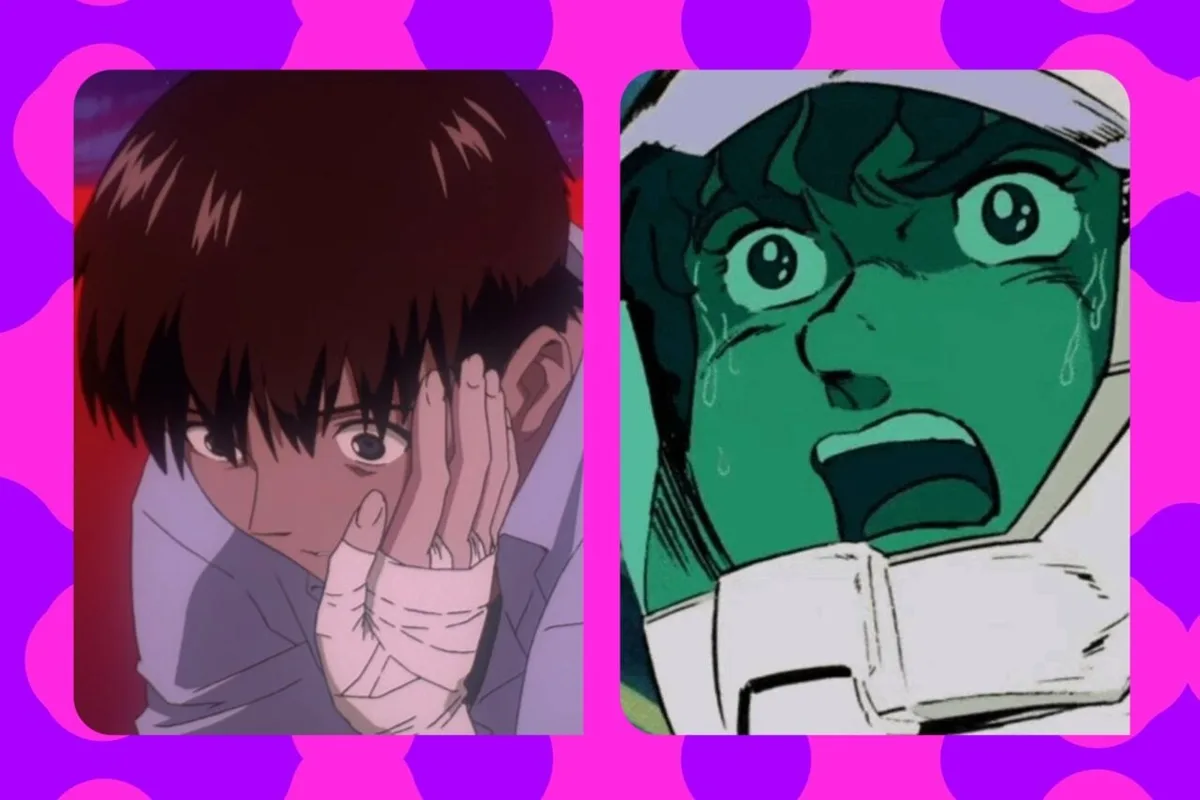
This, textually, is not all that different from the setup of Evangelion .
5News aggregated this summary from the outlet’s public feed. The full article, with all the context, is on gizmodo.com — the content belongs to Gizmodo.