A nutrition scientist shares 1 evidence-backed breakfast swap you can make for a lower cancer risk
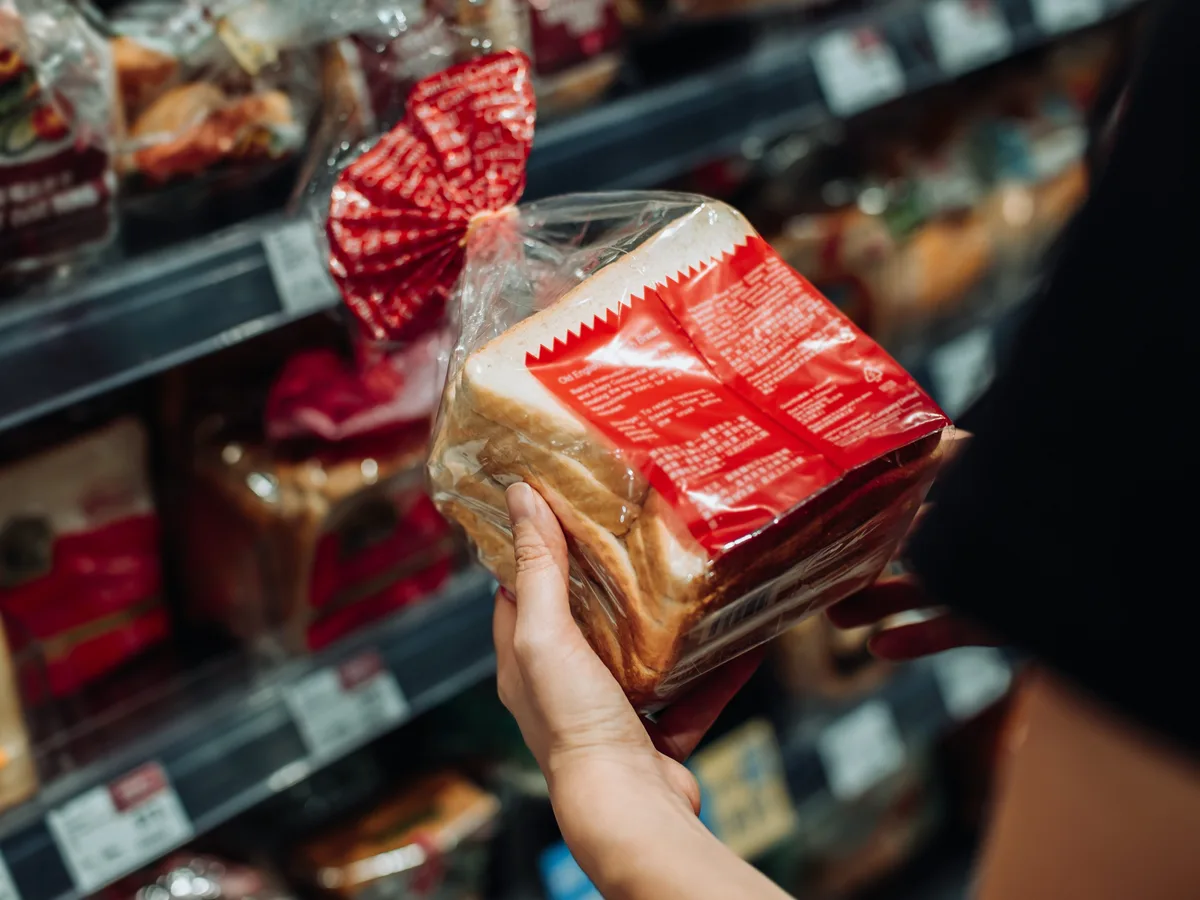
Swapping out ultra-processed bread with whole-grain cereal is a simple change that may help reduce the risk of colon cancer, research suggests. d3sign/Getty Images Ultra-processed foods are linked to a higher risk of colon cancer, and some may be worse than others.
A nutrition researcher explains how he avoids the riskiest kinds of ultra-processed foods.
Instead, he recommends foods like whole grains and yogurt, which help protect the gut.
For more than a decade since he began studying nutrition, Kenny Mendoza has been paying attention to his food labels, scrutinizing grams of fat, protein, and added sugar.
But people eat food, not isolated nutrients.
And, as Mendoza realized while training for his doctorate at Harvard, those foods are often heavily processed before reaching our plates, which can make a huge difference for our health.
"Now, I also pay much more attention to all the ingredients beyond the nutrients in the foods, to see if they're ultra-processed," he told Business Insider.
"The evidence says that both things are important, nutrients and food processing." Today, as a professor of public health at the University of Texas Southwestern Medical Center, Mendoza said his research has changed how he eats.
His latest work suggests that small, actionable food choices can make an important difference in colon cancer risk, at a time when the disease has become the leading cause of cancer-related death in younger people.
Mendoza shared two of the most compelling swaps to prevent cancer, as well as his personal strategies to make healthy eating simpler.
The top culprits behind colon cancer risk Mendoza and colleagues from Harvard wanted to estimate how cancer risk might change if people ate fewer processed foods.
Researchers analyzed decades of dietary and health data from more than 200,000 US healthcare professionals.
They modeled what would happen to their cancer risk if they ate more of some foods, and less of others.
Ultra-processed foods add up over the course of the day, potentially creating a pattern of unhealthy eating. mihailomilovanovic/Getty Images They found a small but significantly reduced risk in obesity-related cancers, such as breast and colorectal cancer, was linked to cutting back on ultra-processed foods like refined carbs and packaged snacks by just 10% (measured as a share of total calories).
5News aggregated this summary from the outlet’s public feed. The full article, with all the context, is on www.businessinsider.com — the content belongs to Business Insider.