U.S., Canada in last-minute talks to head off steep new U.S. tariffs
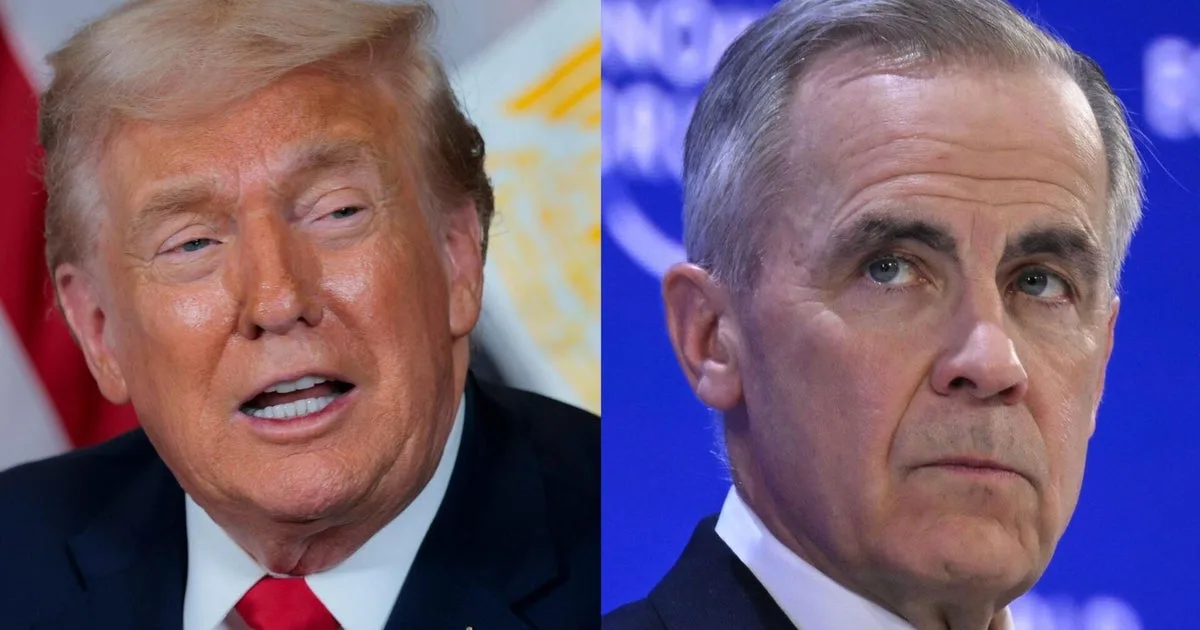
Washington — The United States and Canada have wrangled for decades over trade, poking each other interminably over sore spots like Canadian softwood lumber imports and U.S. access to Canada's protected dairy market.
Somehow, the two neighbors still managed to remain friends, allies and trading partners. Canadian soldiers fought alongside Americans in Afghanistan after 9/11. The 5,525-mile U.S.-Canada border is undefended, and nearly 330,000 people and $2 billion dollars' worth of goods cross it every day; 800,000 Canadians live in the United States.
But a belligerent approach by President Trump to dealing with Canada marks an extraordinary departure from the traditionally cooperative relationship between the two countries. Mr. Trump has hit Canadian goods with tariffs - in a push to bring manufacturing back to the United States - and has repeatedly made inflammatory comments about turning Canada into America's 51st state .
The Canadian public is fed up. A petition to expel the U.S. ambassador, a Trump ally, has collected nearly 218,000 signatures since July 21. It accuses Ambassador Pete Hoekstra of having "normalized'' Mr. Trump's talk of annexing Canada, among other things.
Tension could hit new heights at 12:01 a.m. Wednesday if Mr. Trump goes ahead with his plan to impose 50% tariffs on $20 billion worth of Canadian products, ranging from hockey sticks to tongue depressors.
As the deadline approaches, the two countries are seeking a truce that would avoid the new round of tariffs.
″We are negotiating," Canadian Prime Minister Mark Carney told reporters Monday, speaking in French. "The negotiations are very intense and delicate. This is not the time to talk about negotiations in public."
Mr. Trump has had a tense relationship with Canada due to trade, NATO , a dispute over a Detroit-area bridge and his threats to make Canada the U.S.'s 51st state.
The Trump administration's tariffs on goods from Canada — the second-largest U.S. trading partner — currently stand at 10% , though most Canadian imports are exempt because they comply with the U.S.-Mexico-Canada Agreement, a trade deal signed during Mr. Trump's first term.
Nearly 72% of Canadian goods exported last year went to the United States. And the Trump administration might be wary of imposing a hefty new tariff - paid by U.S. importers who try to pass along the cost to consumers via higher prices - ahead of November's midterm elections. American voters are already frustrated with the high cost of living .
"I don't think either side really wants these tariffs to come into effect,'' said Ryan Majerus, a partner at King & Spalding and a former U.S. trade official. "There's a pretty strong push on both sides to find an off ramp here.''
Majerus said the United States is aiming to get Canada to buy more U.S. military equipment, including F-35 fighters; to take part in Mr. Trump's "Golden Dome'' missile defense; and to give the United States more access to critical minerals, thereby reducing America's reliance on tenuous supplies from geopolitical rival China.
The Canadians would like relief from U.S.
5News aggregated this summary from the outlet’s public feed. The full article, with all the context, is on www.cbsnews.com — the content belongs to CBS MoneyWatch.