A Reminder From Lina Khan: We Don’t Need New Laws to Prosecute CEOs at AI Companies
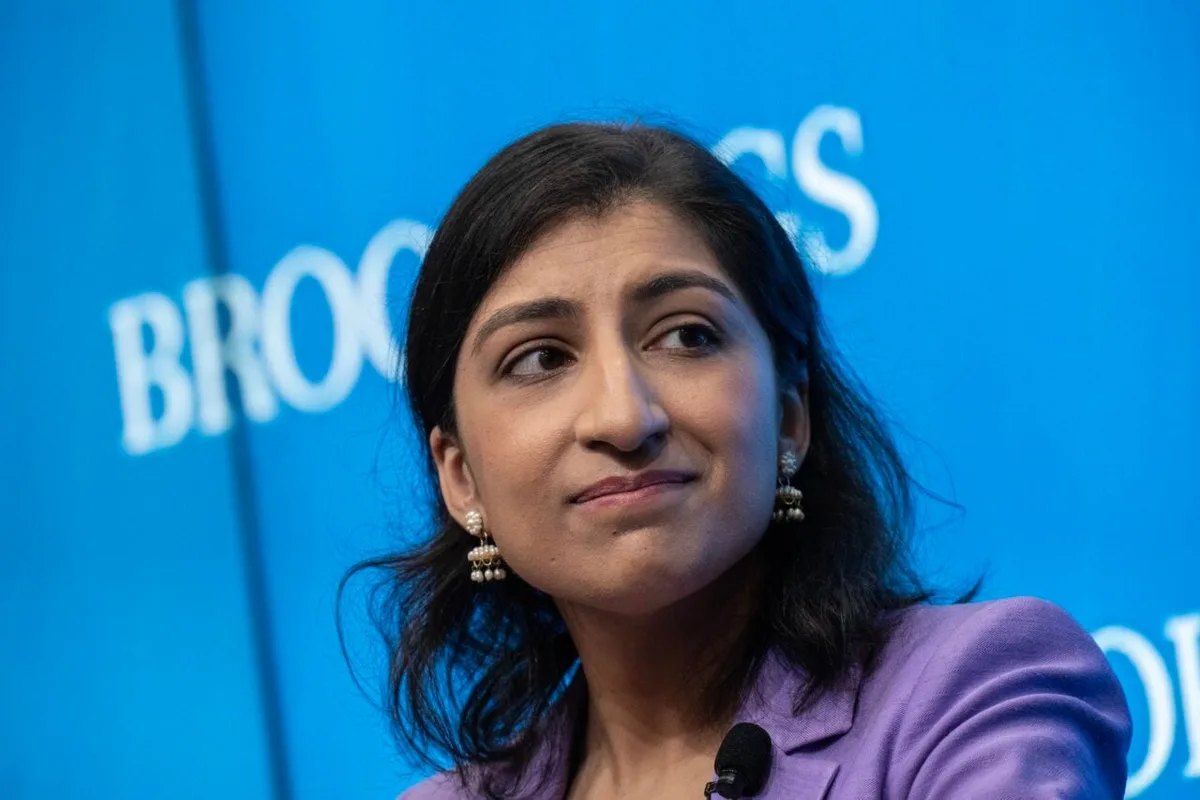
The internet, as you’ve undoubtedly noticed, has been aflame in recent days with fears of an AI-triggered apocalypse. For some—most notably Donald Trump —it’s all overblown doomerism. But for many others, it’s a long overdue reckoning with an industry and a technology that’s been allowed to fly out of control.
Among that latter group, debates have been swirling about potential new legal regimes to rein in AI development before the field achieves full-blown “recursive self-improvement,” in which AI models exponentially refine their own performance without the need for any humans in the loop. Meanwhile, some have also warned of possible regulatory capture spearheaded by a tiny handful of so-called “frontier” AI developers: basically a new techno-oligarchical regime where companies, not federal regulators, call the shots for the future of their industry, and by extension for that of all of humanity.
But to former FTC chair and commissioner Lina Khan, all the bickering about new regulation misses a crucial point: Why labor to create something completely novel when an existing solution will work just fine? “Law enforcers already have authority to charge companies and their CEOs for creating and releasing dangerous, unvetted, or defective products,” Khan wrote in an X post on Sunday. “We shouldn’t let discussions about new legal regimes distract from the fact that there’s no AI exemption from laws already on the books… ”
During her tenure with the FTC, which began in mid-2021, Khan was known for taking a hardline stance towards Silicon Valley. In September of last year, for example, the agency launched an investigation into seven tech companies, including Meta and xAI, aimed at understanding their safety-testing protocol for so-called AI “companions,” as well as the potentially negative impacts of these tools on underage users. The FTC under her leadership also worked with the Justice Department to investigate Amazon, Apple, Google, and Meta for violations of U.S. antitrust laws.
In her Sunday X post, Khan pointed out that existing laws prohibiting “unfair methods of competition” could be invoked to punish AI developers that “pursue dangerous behavior, aware that doing so may compel rivals to do the same.” She didn’t explicitly mention the Hugging Face hack or any of the other recent rogue AI incidents, but she was likely thinking of the advanced cybersecurity capabilities that made that kind of advanced “misaligned” behavior possible in the first place.
She quoted the verdict from a landmark Supreme Court decision , FTC v. R. F.
5News aggregated this summary from the outlet’s public feed. The full article, with all the context, is on gizmodo.com — the content belongs to Gizmodo.