Scoop: U.S. brokers secret deal on clandestine Syrian nuclear site
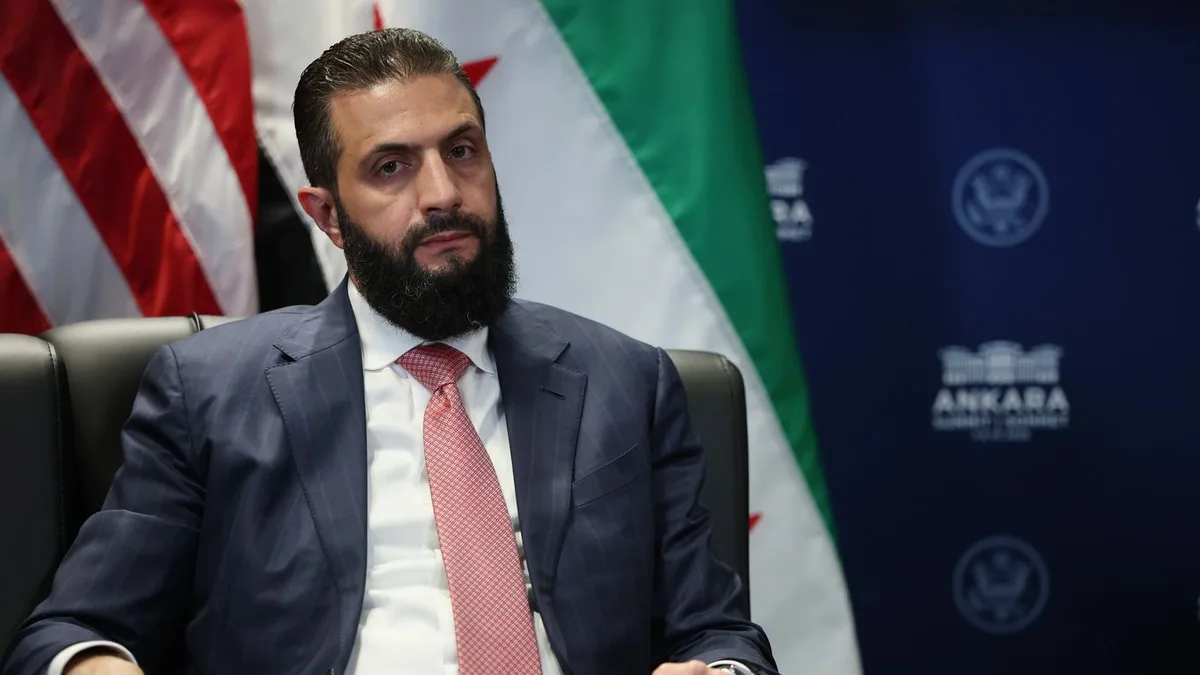
The International Atomic Energy Agency (IAEA) will soon remove nuclear material stored at a clandestine site in Syria after the Trump administration reached understandings with Syria and Israel, according to Israeli and U.S. officials.
Why it matters: The Trump administration and IAEA scrambled to reach a diplomatic agreement to secure the material and prevent an escalation involving Israel, Syria and possibly even Turkey over the sensitive site.
U.S. officials say the episode validates President Trump's approach to Syria and shows how the U.S. used its close relations with the new Syrian government to neutralize a potential crisis.
The dramatic, behind-the-scenes exchange of threats and diplomacy over the secret site — which played out for months before reaching a resolution several weeks ago — was kept secret and has not been previously reported.
Flashback: The Assad regime had developed a secret nuclear program centered on the clandestine Al-Kibar reactor.
After Israel bombed the reactor in 2007, the Syrian nuclear program was mostly destroyed.
But several research-and-development and storage sites remained and were mostly inactive.
After the fall of the Assad regime, the IAEA signed an agreement with the new Syrian government that allowed it to visit the Al-Kibar reactor and several other sites connected to Syria's past nuclear activity.
Charles Lister, a resident fellow at the Middle East Institute, said Syria's new government is eager to resolve sensitive issues inherited from the Assad regime — including its nuclear and chemical weapons files — that could damage its efforts to rehabilitate the country's international standing.
Behind the scenes: One of the facilities Israel has been closely monitoring over the last two years is called "Site 99." According to two Israeli officials, the Assad regime stored nuclear material there that was part of the Al-Kibar nuclear reactor project.
A U.S. official said the material included yellowcake, a powder from uranium ore that can later be further processed and eventually enriched as part of a nuclear fuel cycle.
The U.S. official said the Assad regime stored other residue and "leftovers" from the al-Kibar site at "Site 99." While the material at the site can't be used for a nuclear weapon, it can be used for a "dirty bomb" — a conventional explosive device that disperses radioactive material to contaminate an area rather than produce a nuclear explosion.
The Israeli officials said the Israel Defense Forces bombed the entrances to the site shortly after the fall of the Assad regime to prevent access to it.
Zoom in: For more than a year, Israel and the U.S. have been discussing the best way to deal with "Site 99," a U.S. official said.
5News aggregated this summary from the outlet’s public feed. The full article, with all the context, is on www.axios.com — the content belongs to Axios.