Avatar: Seven Havens review: The Avatar apocalypse is a bold, brilliant addition to the franchise
2026 has been the year of Avatar: The Last Airbender , boasting both the continuation of Netflix's live-action adaptation and the first film from Avatar Studios, Avatar Aang: The Last Airbender .
While it's almost always a treat to return to a world of intricate bending and epic adventure, both these projects trod familiar ground.
Netflix's series is nothing more than a drab retelling of the original.
Avatar Aang boasted eye-popping action, exciting new lore, and a nostalgic return to our Gaang faves, but it also rehashed an airbender resurrection storyline that viewers had already seen before (and done better) in Avatar: The Legend of Korra .
That's why it's such a relief that Avatar: Seven Havens, the next TV series in the Avatar cycle, blows everything up.
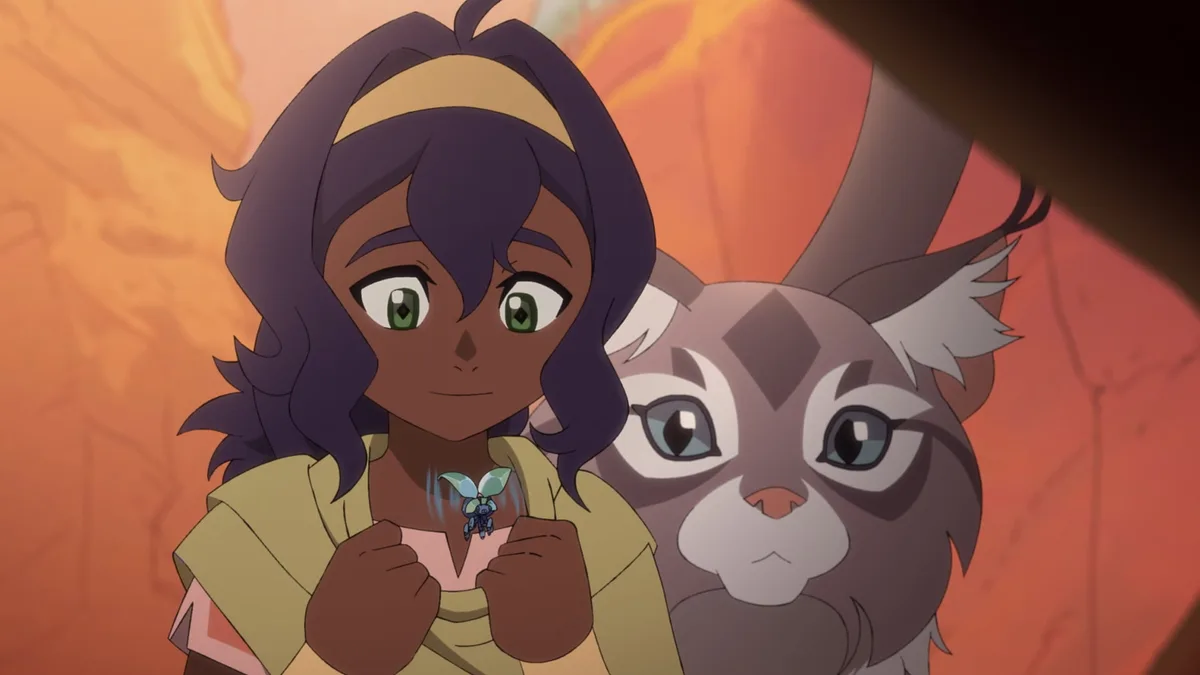
If The Legend of Korra brought the world of Avatar into a more modern, industrialized era, then Seven Havens sends it screaming into a hazardous, post-apocalyptic future unlike anything we've seen before, headed up by an Avatar unlike any other.
It's the boldest move the series could make, and it winds up being just what the franchise needs to move forward.
SEE ALSO: 2026 fall TV preview: Every show you should know about Avatar: Seven Havens ends the world, then rebuilds it spectacularly.
Seven Havens throws us headfirst into what feels like an alien landscape, by Avatar standards.
Shimmering aurorae, once limited to the Northern and Southern Water Tribes, now fill the skies over a vast desert.
Crystal clusters and tree-like rock formations burst from the sand.
A more synth-heavy score from Avatar composer Jeremy Zuckerman emphasizes the strangeness of this environment, while vivid colors from new Avatar animation studio La Chouette Compagnie prove an eye-popping contrast from the prior two series.
From these opening moments, one thing's for sure: We're not in the Four Kingdoms anymore.
That's because they no longer exist.
5News aggregated this summary from the outlet’s public feed. The full article, with all the context, is on mashable.com — the content belongs to Mashable.