U.S. hits Canada with 50% tariffs, invoking a notorious Great Depression law that has never been used before to impose import taxes
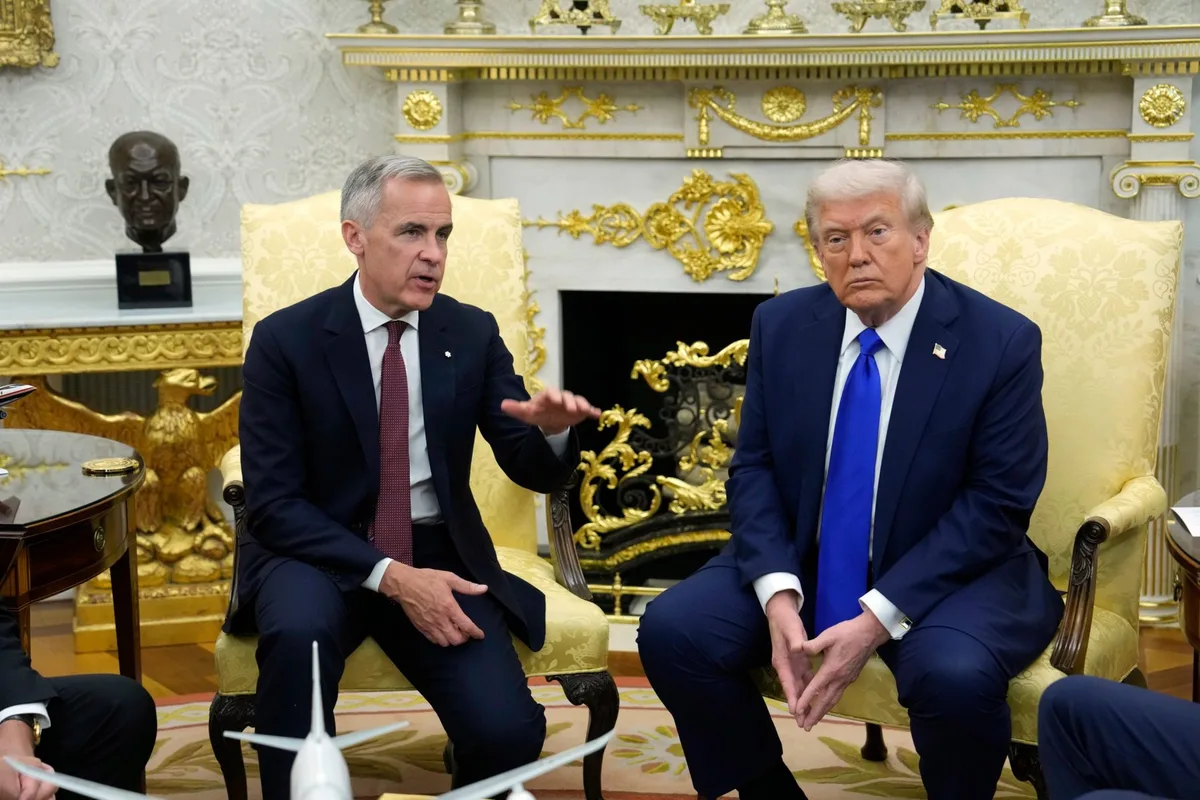
The United States imposed 50% tariffs on $20 billion worth of Canadian products early Saturday, and Canada immediately said it would retaliate after last-ditch negotiations failed to resolve the latest strain in relations between the historic allies .
President Donald Trump’s import taxes will hit about 5% of what Canada ships to the United States every year, including products ranging from hockey sticks to tongue depressors.
“Canada will match those tariffs dollar for dollar to protect our workers and businesses,” Prime Minister Mark Carney said in a statement.
The retaliation escalates the trade conflict and calls into question the future of a North American trade agreement covering the United States, Canada and Mexico that is crucial to industry in all three countries.
Canada had sought concessions on tariffs on steel, aluminum, autos and lumber.
“Tonight, Canada declined to finalize the trade deal under the terms agreed earlier this week.
Despite the U.S. offer to Canada to receive the best treatment of any major exporter to our market, new demands and walk-backs of other commitments by Canada have upended the careful balance reached in the past days,” U.S.
Trade Representative Jamieson Greer said in a statement read to reporters shortly before midnight.
Carney blamed the Republican administration for the breakdown, saying “last-minute changes in the U.S. proposed terms were unfair, uneconomic, and called into question the reliability of any deal.” He said he had suspended negotiations and directed Canada’s negotiating team to return to Ottawa.
Carney said his government would announce additional support for Canadian workers and businesses in the coming days.
Greer said the U.S. offer was “forward-looking” and included “a historic economic and national security partnership.” No further talks are planned.
The breakdown in negotiations marked a sharp reversal from two days earlier, when officials from the two countries sounded as if they were headed toward a compromise.
Carney said Canada’s goal throughout the negotiations had been to secure the best possible agreement, “never a deal at any price or on any deadline.” Ontario Premier Doug Ford, who leads Canada’s most populous province, backed Carney’s response, saying the prime minister had his “full support” for retaliation “tariff for tariff, dollar for dollar” and that “everything needs to be on the table.” A typically cooperative alliance goes sour The political impact will likely be even bigger than the economic fallout.
The countries sold each other $880 billion worth of goods and services last year.
5News aggregated this summary from the outlet’s public feed. The full article, with all the context, is on fortune.com — the content belongs to Fortune.